

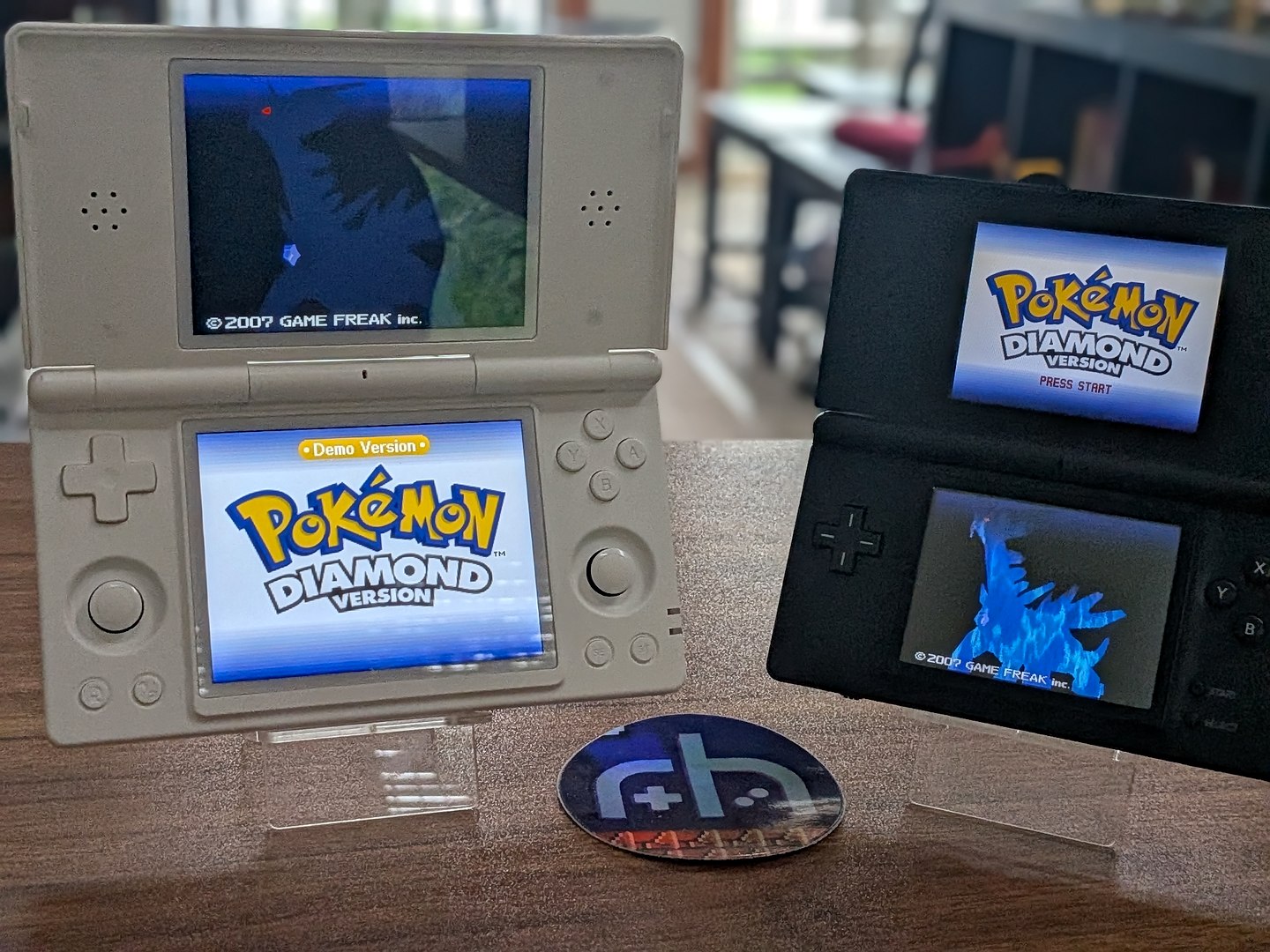
The last time that I missed out on a major Anbernic release was the R40XXV. At the time that device came out, I’d figured that I already had that form factor covered with other devices, but as you can read in my first Late to the Party entry, my initial apprehension had me missing out on one of the best DMG-style designs on the emulation market.
The Anbernic RG DS was released in a traditional Anbernic format – leave something behind for the next device to keep people wanting more. If you were hoping for enough power to run 3DS titles, that’s out. Proper integer scaling for DS games? Sorry, nope. A stockOS experience that at least does a decent job at displaying and playing the games it was designed to run? Not so much.
So what changed my mind and made me want to pick up an RG DS? The same answer that has been true for so many devices that came before it – GammaOS.
| Specifications | |
|---|---|
| Hardware | |
| CPU | RockChip RK3568 |
| GPU | Mali-G52 2EE |
| RAM | 3GB |
| Display | |
| Screen Size | 4-inch |
| Resolution | 640 x 480 |
| Aspect Ratio | 4:3 |
| Refresh Rate | 60Hz |
| PPI | 200 |
| Screen Size | 4-inch |
| Resolution | 640 x 480 |
| Aspect Ratio | 4:3 |
| Refresh Rate | 60Hz |
| PPI | 200 |
| Storage | |
| Internal Storage | 32GB |
| External Storage | microSD |
| Battery | |
| Battery Capacity | 4000mAh |
| Est. Battery Life | 6 Hours |
| Connectivity | |
| Wi-Fi | Wi-Fi |
| Bluetooth | Bluetooth 4.2 |
| Ports | 3.5mm Audio Jack, USB-C, USB-C OTG |
| Controls | |
| Sticks | Analog |
| Triggers | Analog |
| Shoulder Layout | Shelf |
| D-Pad | Top Left |
| Audio | |
| Speakers | Stereo |
| Speaker Location | Front-facing |
| Headphone Jack | Yes |
| Physical | |
| Dimensions | 160 x 91 x 21.5mm |
| Weight | 321g |
| Form Factor | Clamshell |
| Software | |
| Operating System | Android |
| Custom Firmware | ROCKNIX, GammaOS |
A Bit of History
When the Nintendo DS Lite launched in North America in June of 2006, I was freshly out of college, working at a bar, and in need of a reconnect with gaming. It’s not as if I’d ever stopped, but what few dollars I had as a student generally all went to rent and beer. Now that I was working full-time, I could afford the beer and a handheld! We were so back.
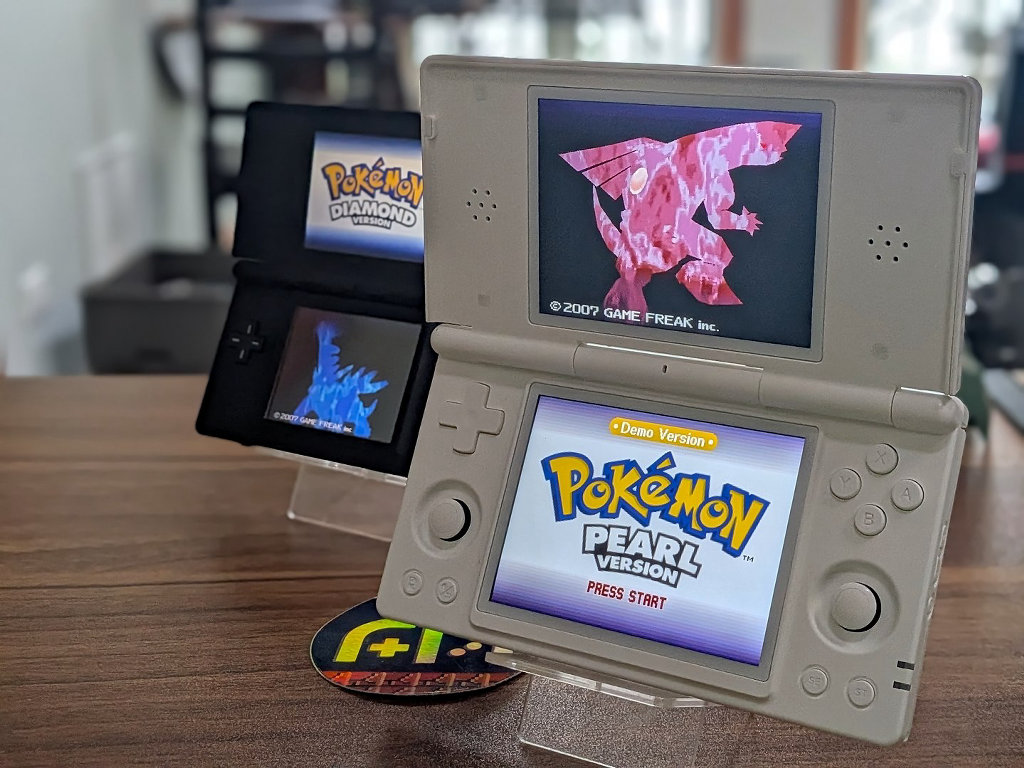
20 years later, and I still have my original DS Lite. While the love in my heart for the system will never fade, the advances in LCD displays over the last couple of decades have certainly made it seem like my DS display has. After a few weeks of owning the RG DS, I’m not entirely sure I’ll ever have a reason to go back to the DS Lite ever again. The quality of life improvements that come from two decades of display advances cannot be overstated.
The RG DS
If you go back and read Jim’s RG DS First Impressions, you’ll see the frustrations that irked a lot of the emulation community at the handheld’s launch.
The RG DS is fascinating, promising, and deeply compromised. Custom firmware like GammaOS could go a long way toward fixing the software quirks, but if I had a nickel for every time we’ve made that excuse for Anbernic, I’d just buy a Thor.
The RG DS unit that I acquired from Andrew was already loaded up with GammaOS. This was a first for me, as I usually am left to explore the best CFW for a device on my own. This time, I wouldn’t have to worry if the stock package was lacking, because I already had the best option installed.
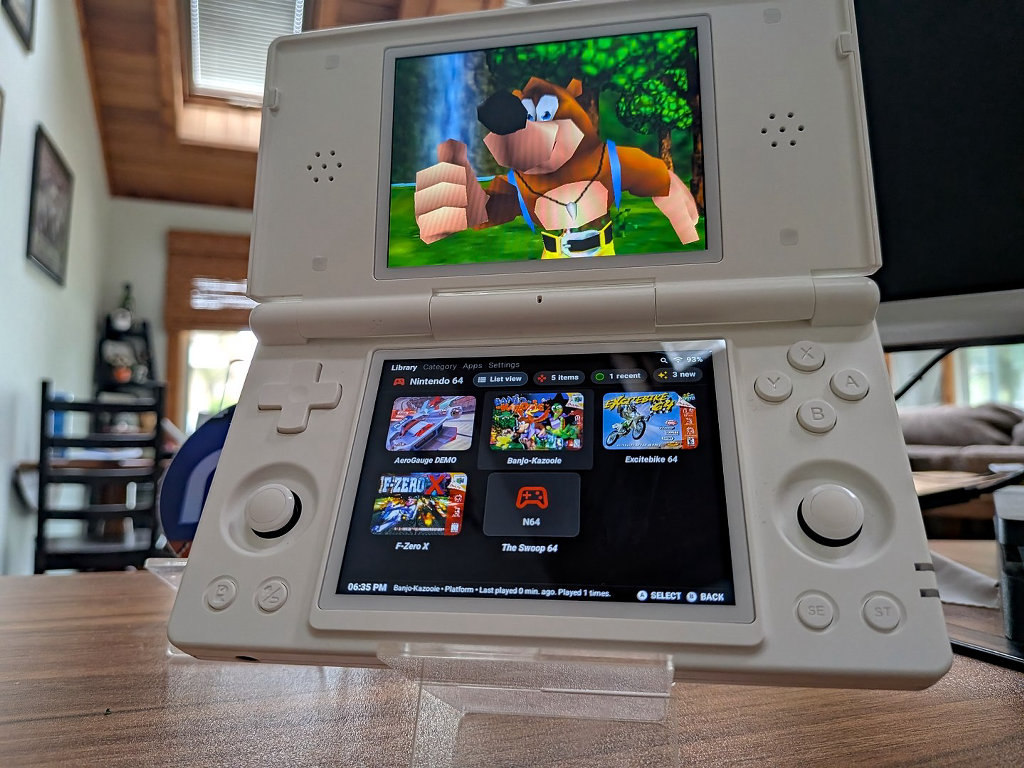
It was an interesting experience to have read all the gripes about the RG DS at launch, and then receive one a little ways down the road, operating in its best version. Simply put, GammaOS is so good on the RG DS that I no longer fathom playing Nintendo DS games anywhere else – including on the original console.
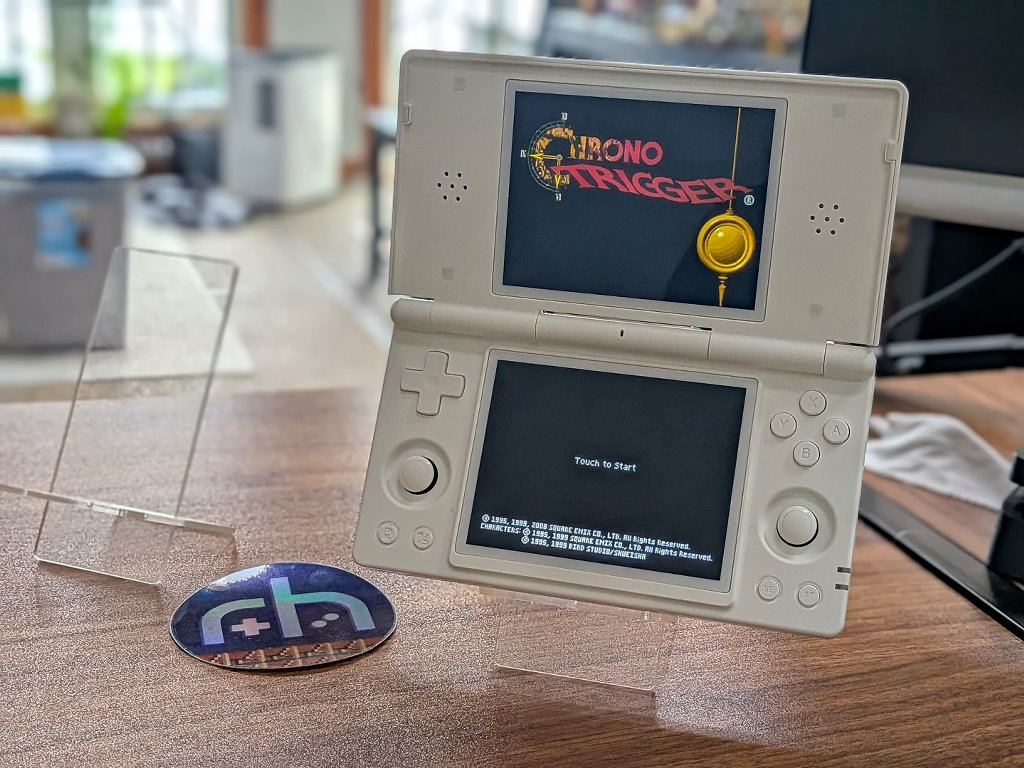
Everything about the GammaOS experience on the RG DS is painless. The device has already been tuned to be the best version of itself that it can be, and all those annoying little display issues have been ironed out to crisp perfection.
Controls
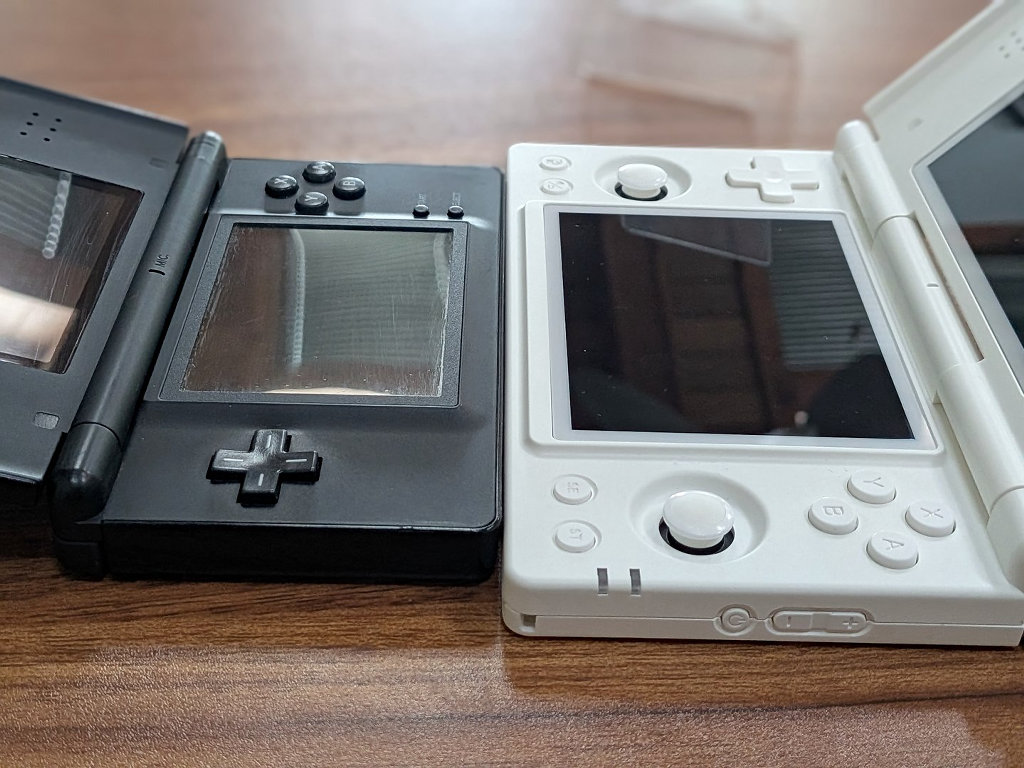
Now, the original Nintendo DS never had any type of analog sticks, so their inclusion here is something of a bonus for those who might want to play some games where they’re needed. Sticks in a clam-shell like this or something like the Retroid Pocket Flip 2, are always going to have to be recessed due to the nature of the design. While they aren’t my favorite way to use an analog stick, it works really well for this form factor. I’d certainly prefer the sticks as they appear here vs something like the circle pads of the original Retroid Pocket Flip or Nintendo 3DS. I hate those things.
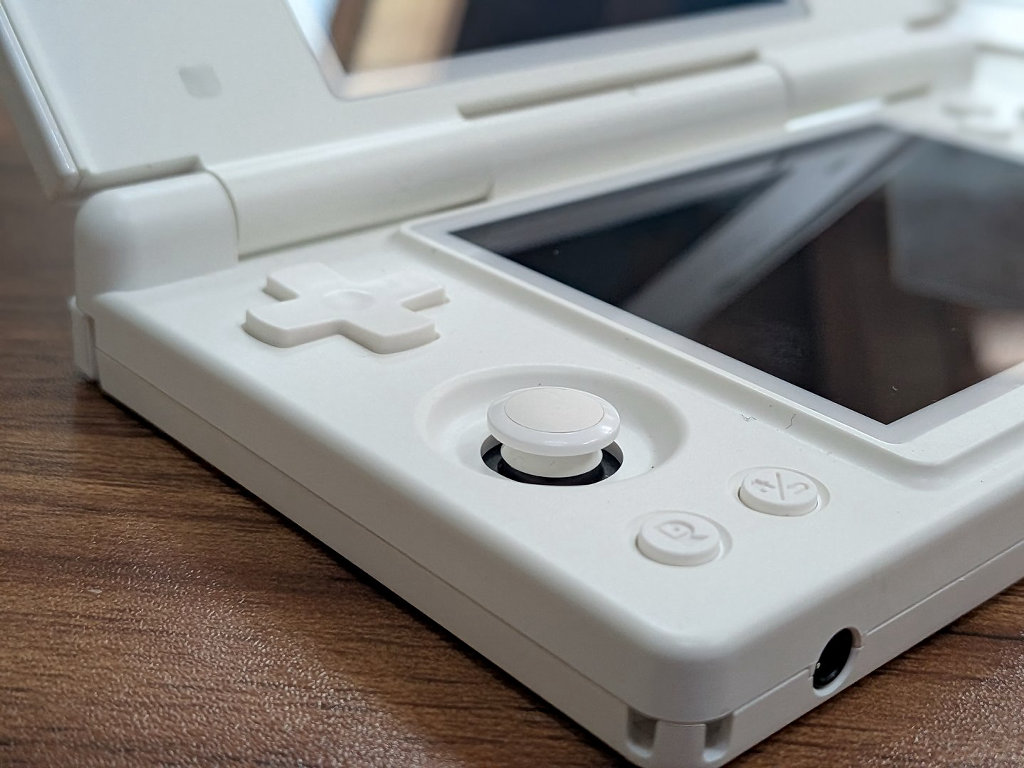
The D-Pad and face buttons are both excellent at recapturing the feel of the original device, while making things slightly larger to accommodate the system’s increased girth over the Nintendo version. I haven’t had any of the issues with false diagonal inputs as Jim had mentioned in his initial article, but that might be attributable to the move to GammaOS as well.
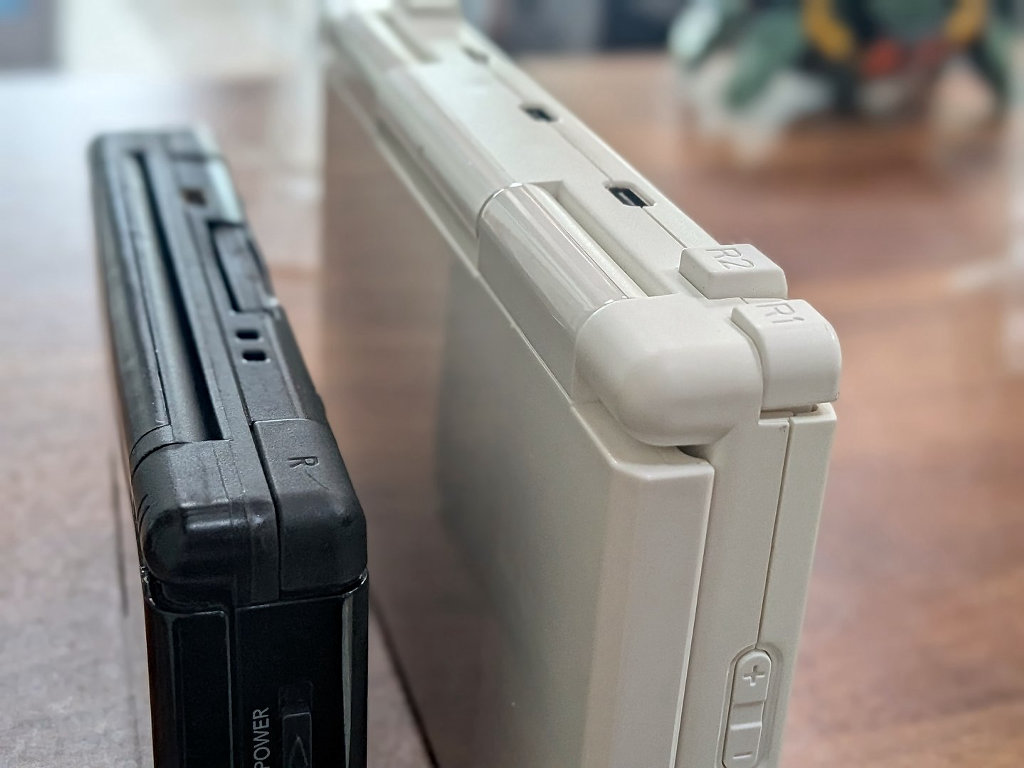
Shoulders on the RG DS are functional and fine for my money. The addition of L2/R2 triggers is welcomed, even if they largely go unused in my play sessions. I don’t know what it is about emulation handhelds and triggers, but the ones of the RG DS are as loud as ever when compared to its relatively silent Nintendo parent.
Ergonomics and Design
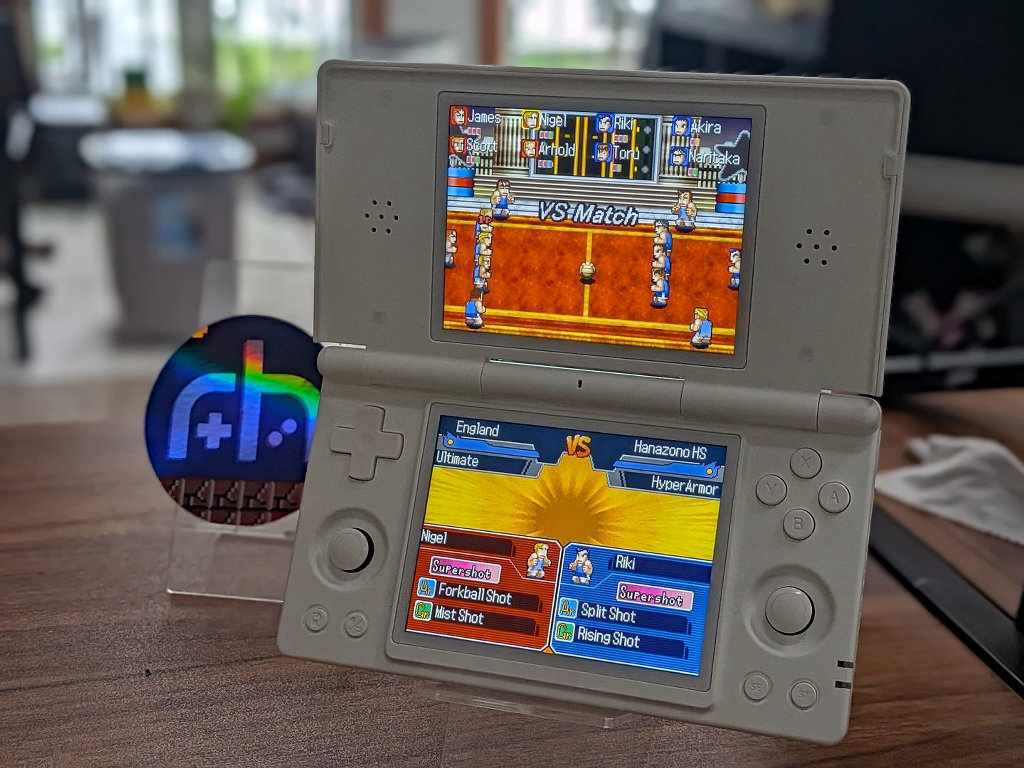
It’s something that’s become a bit of a cliche to say in the emulation handhelds scene, but I have big hands. I don’t think the original DS Lite was designed with me in mind. My thumb covers the entirety of the D-pad on the Nintendo unit. The RG DS’s larger form factor makes the entire experience much more conducive to long play sessions when parked in my gorilla mitts.
TL/DR
I’m at a point now where my emulation needs have been met. The Odin 3 is likely as close to a perfect handheld as I could possibly want. It plays everything – but that’s not to say that it’s the best at playing everything. Nintendo systems have had quirky design features that separate them from the competition in nearly every generation. If I want to re-experience those games the way they were intended to be played, then the Anbernic RG DS is going to be my go-to from here on out.
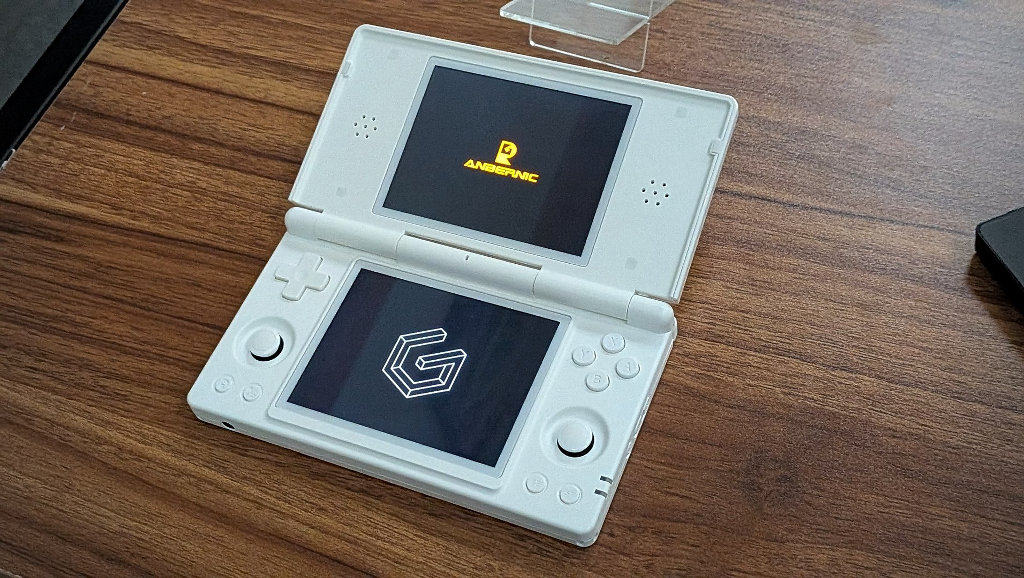
And yeah, the Thor exists. I hear you, but it’s also more than 4x the cost of the RG DS, and if I’m honest, it wouldn’t be my form factor of choice for experiencing games outside of the DS/3DS realm. Now, Anbernic being Anbernic, we know that there will be a follow-up device with the horsepower needed to bring us into the 3DS gen. That’s just how they do business. If you want to play original DS games right now, though, the RG DS with GammaOS installed is what I believe to be the best way.
So the next time you’re on the fence about whether to pick up the latest hotness, maybe give it a few months to see how things flesh out. This hobby is nothing without its dev community, and so long as you’re willing to make the effort to embrace that, then the Anbernic RG DS is a fantastic retro handheld.


1 Comment
I absolutely am inseparable from my RGDS. I have it in a slim case for “protection” which also has a karabiner to attach to my belt loop. Swag dad I know.
Permanently playing the Pokémon, just finished Heart gold and currently working through Black 1.
Gamma OS is my next step for more smoother experience and battery efficiency.