

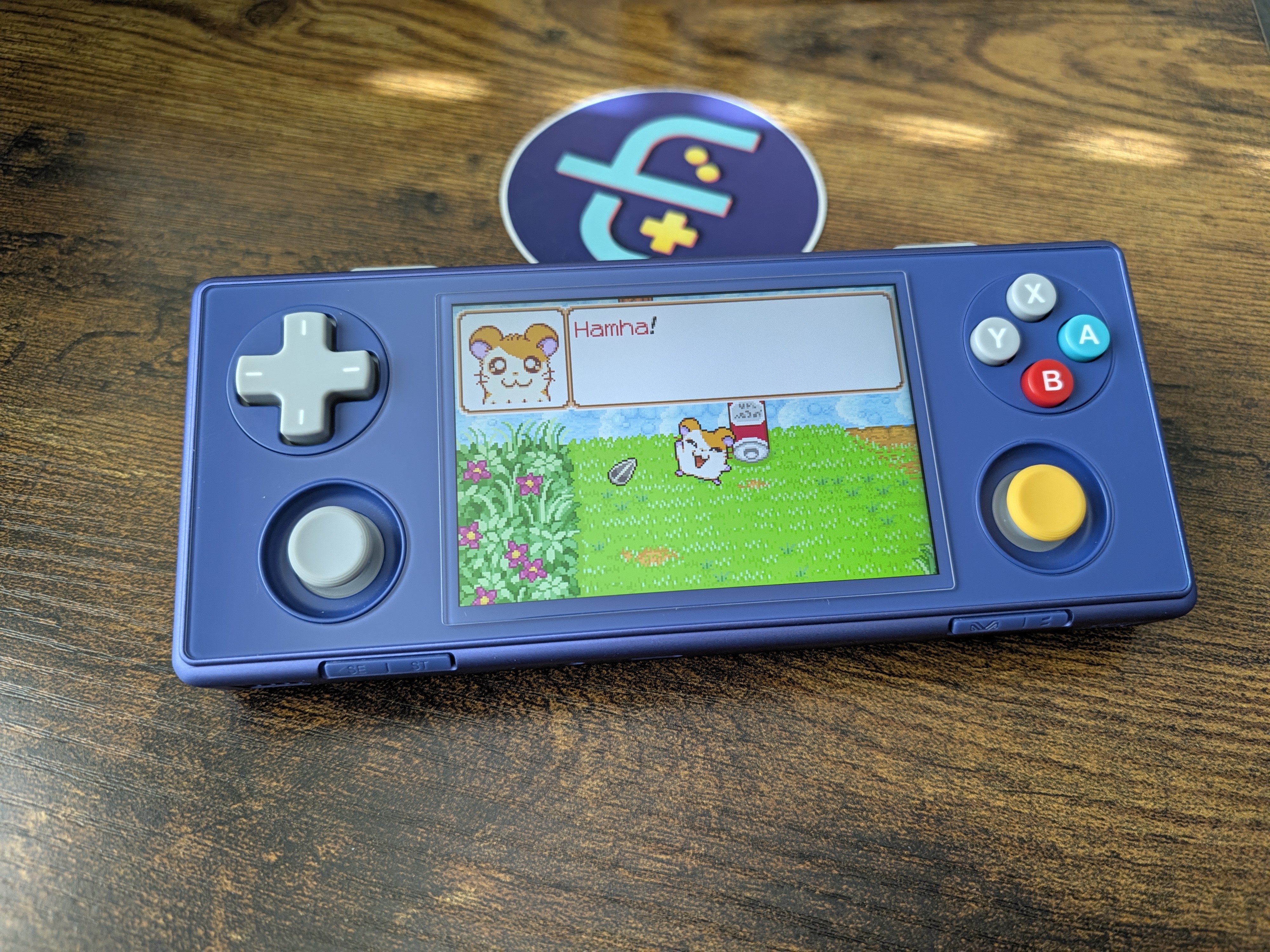
The AYANEO Pocket Micro 2 is a surprising sequel to the AYANEO Pocket Micro, both in its literal existence, and in how much they were able to improve the device while seemingly changing so little. I’ve had some more time with the Pocket Micro 2, and as promised in my initial impressions article, I’m back for a full review.
Disclosure:
The device reviewed was not provided as a review sample from AYANEO. I have never received payment nor review samples from AYANEO, and every device that I own from them was purchased with my own money. AYANEO did not have the opportunity to make edits or changes to the review before publishing.
Affiliate links might be present where applicable, and we may earn a commission on product purchases using those links at no extra cost to you.
AYANEO Pocket Micro 2 Specs
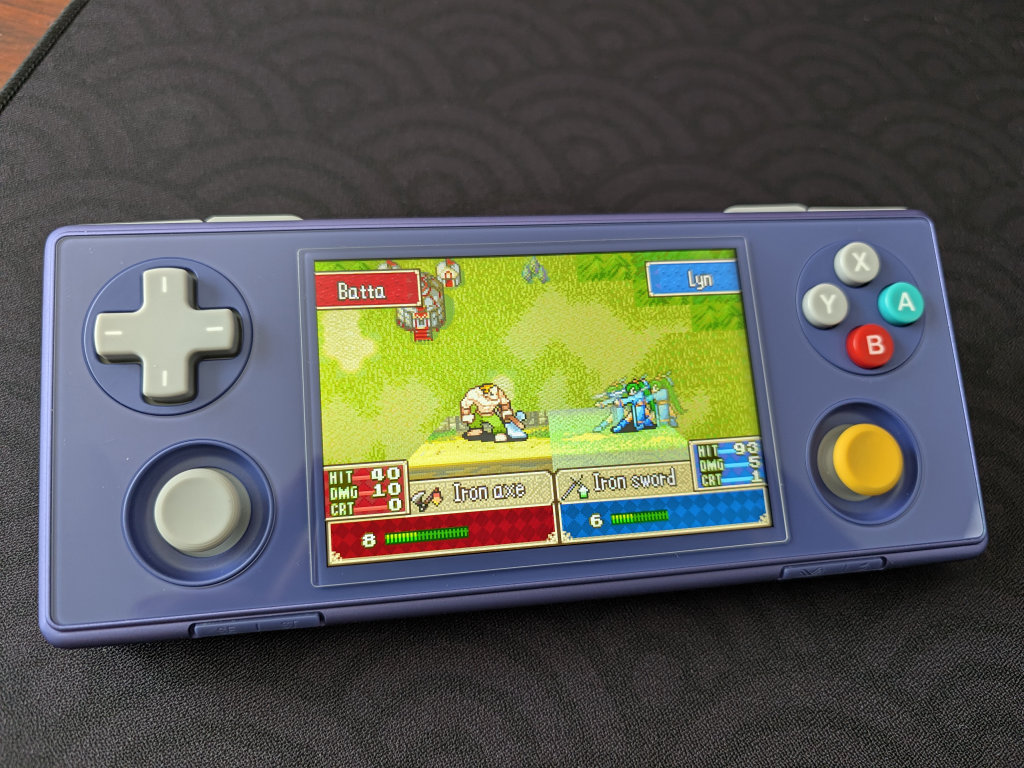
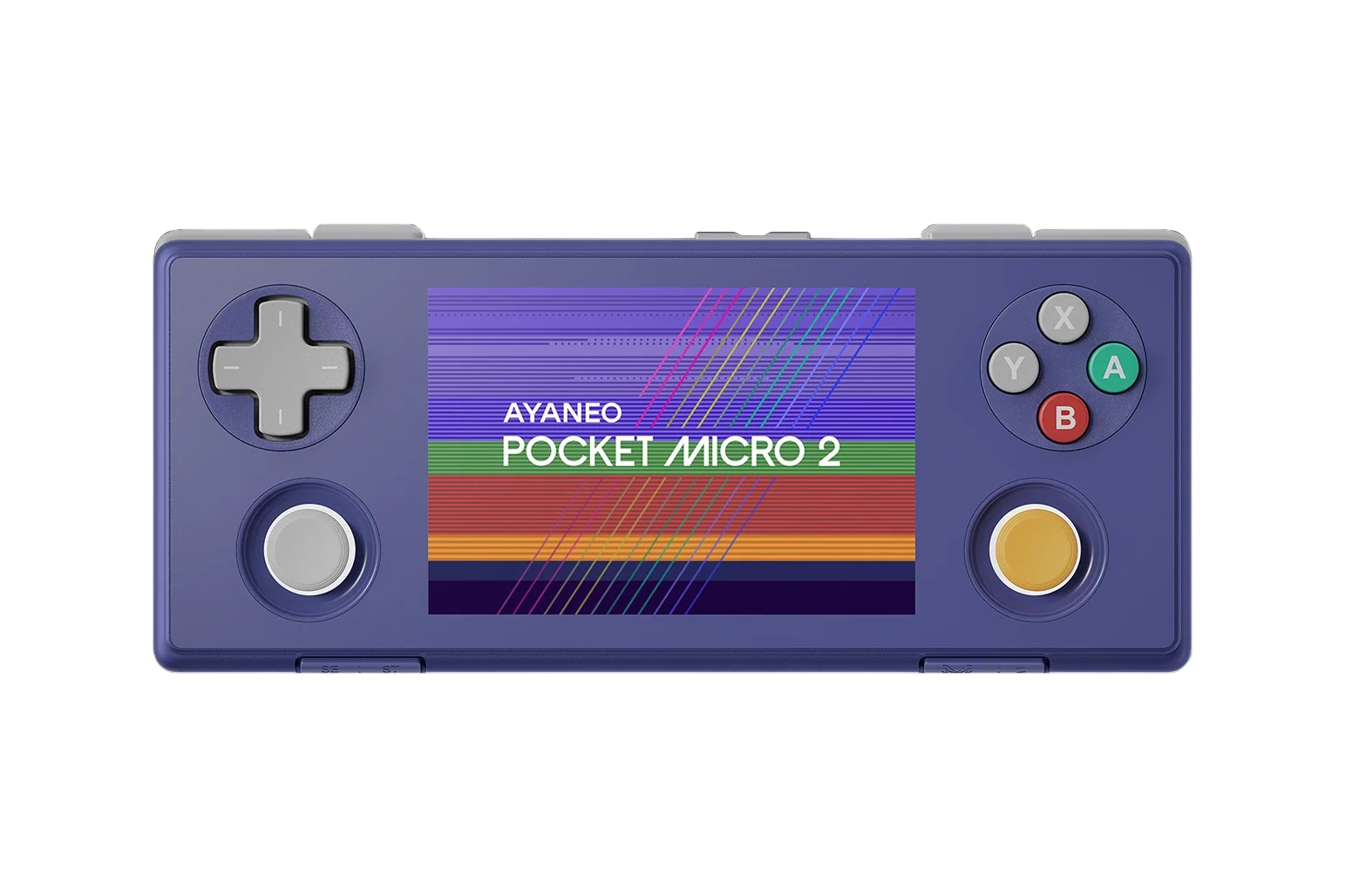
The Pocket Micro 2 comes in three distinct colors; Frosty White, Midnight Black, and Stardust Purple. Unsurprisingly, and in true AYANEO fashion, the fun color is considered a “premium” option, and thus costs roughly $30 more than its black and white counterparts. AYANEO also took the time to cram a bigger battery in here, with a 3,950mAh battery versus the 2,600mAh found in the Pocket Micro.
We’ve got three RAM and storage configurations (6GB/128GB, 8GB/256GB, and 12GB/128GB), though only the highest configuration is currently available on AYANEO’s website. I’m personally using the 6GB/128GB Stardust Purple configuration, which was bizarrely only available in their second batch release for the device. I’ve found this to be plenty for what I’ve tested and played so far.
The Pocket Micro 2 utilizes a Snapdragon 865 – the same chip found in a multitude of handhelds like the Retroid Pocket Flip 2 and Pocket 5, AYN Thor Lite, and Mangmi Pocket Max – along with an upgraded Adreno 650 GPU. This means the device is capable of playing up into most of the GameCube and PlayStation 2 library, anything below that, and can even play some light Switch games as long as you’re willing to tinker.
| Specifications | |
|---|---|
| Hardware | |
| CPU | Qualcomm Snapdragon 865 |
| GPU | Qualcomm Adreno 650 |
| RAM | 6GB LPDDR4X, 8GB LPDDR4X, 12GB LPDDR4X |
| Cooling | Active Cooling Fan System |
| Display | |
| Screen Size | 3.5-inch |
| Resolution | 960 x 640 |
| Aspect Ratio | 3:2 |
| Refresh Rate | 60Hz |
| PPI | 329.65 |
| Storage | |
| Internal Storage | 128GB, 256GB |
| External Storage | microSD |
| Battery | |
| Battery Capacity | 3950mAh |
| Additional Details | PD Charging |
| Connectivity | |
| Wi-Fi | Wi-Fi 6 |
| Bluetooth | Bluetooth 5.1 |
| Ports | 3.5mm Audio Jack, microSD, USB-C |
| Controls | |
| Sticks | TMR |
| Triggers | Digital |
| Shoulder Layout | In-line |
| D-Pad | Top Left |
| Audio | |
| Speakers | Stereo |
| Speaker Location | Bottom-firing |
| Headphone Jack | Yes |
| Physical | |
| Dimensions | 162 x 67.8 x 18mm |
| Weight | 248g |
| Form Factor | Horizontal |
| Software | |
| Operating System | Android 13 |
Build Quality and Ergonomics
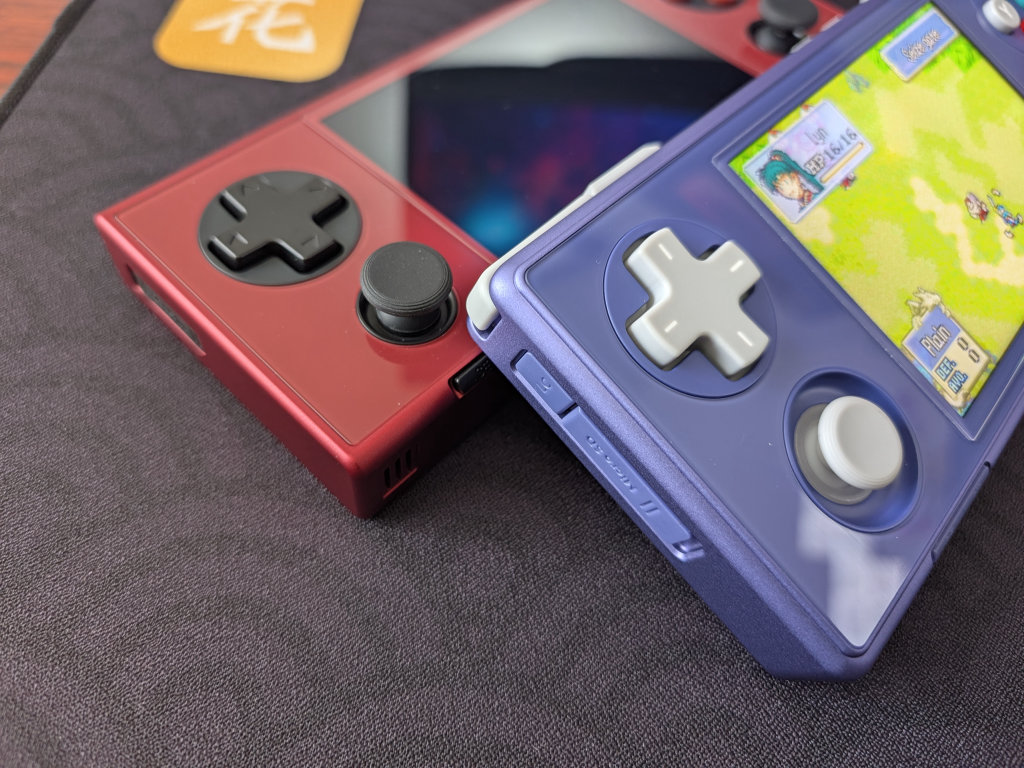
The Pocket Micro 2 follows in the footsteps of its predecessor, as we’ve got a metal frame, 3.5″ 960 x 640 60Hz LCD display, and an Android 13 operating system. AYANEO continues the “premium” trend found in many of its devices here, as the Pocket Micro 2 feels weighty and solid in the hands, especially for a device so small. While the Pocket Micro 2 is about 14 grams heavier, that weight feels better distributed.
A small change in the design of the Pocket Micro 2 was rounding the corners. While the Pocket Micro didn’t feel terrible to hold, those sharper corners would tend to dig into your palms for longer gaming sessions. For that reason, the Pocket Micro 2 feels much better to hold than its predecessor. The ABXY buttons and D-Pad are also spaced better in the Pocket Micro 2 in my opinion, though since they are now closer to the edge of the device, I can see how that might be a detractor for some people.
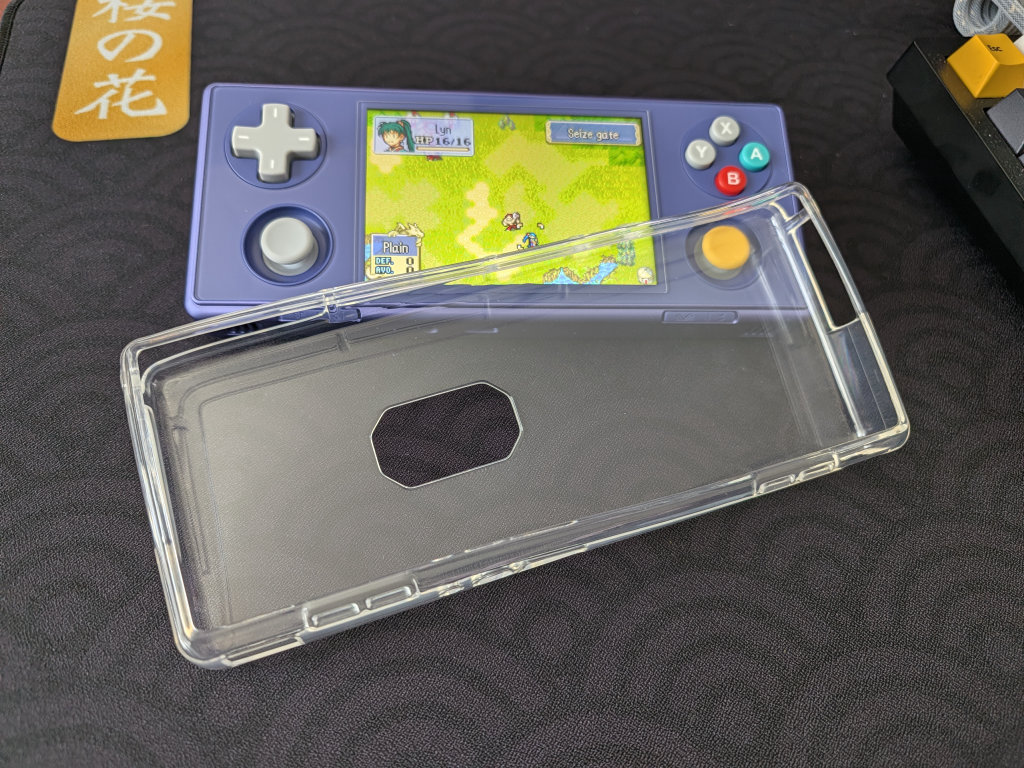
A small thing worth mentioning – I’m usually a fan of using the TPU cases for various devices that I’ve gotten through the AliExpress O3O Libretro Store, but I find that the one for the Pocket Micro 2 takes the corners and makes them sharper like the Pocket Micro, which is a downgrade in my opinion.
Basically, making the edges of the controls and device more rounded, while also making them slightly larger, leads to a device that feels much better to play. Who knew!?
Controls
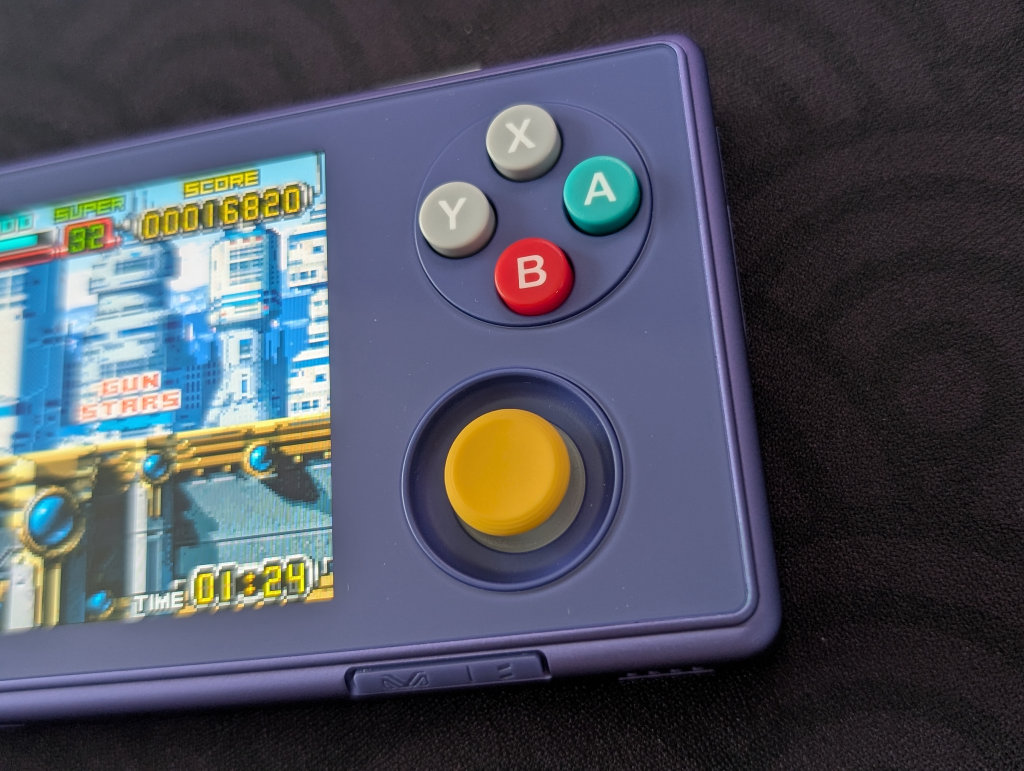
Speaking of controls, as I mentioned in my impressions article, this was arguably the biggest change between the Pocket Micro and the Pocket Micro 2. We’ve got recessed analogue sticks, larger ABXY buttons, larger and better-spaced shoulder buttons, and a larger and slightly rounded D-Pad. All these minute changes lend themselves to a better gaming experience as a whole when playing on the device, especially recessing those notoriously high sticks from the Pocket Micro.
I found that the sticks had a better range of motion and weren’t nearly as intrusive as the previous iteration, and the ABXY buttons and D-Pad felt better to use and press, especially in longer gaming sessions. The shoulder buttons, however, might be my favorite improvement; they are larger, the edges are more rounded, and they waterfall down past the edge of the device. This meant I no longer had to curl my fingers in to press the shoulder buttons, and could instead just press them along the top edge where the inside of my fingers were already resting.
Performance
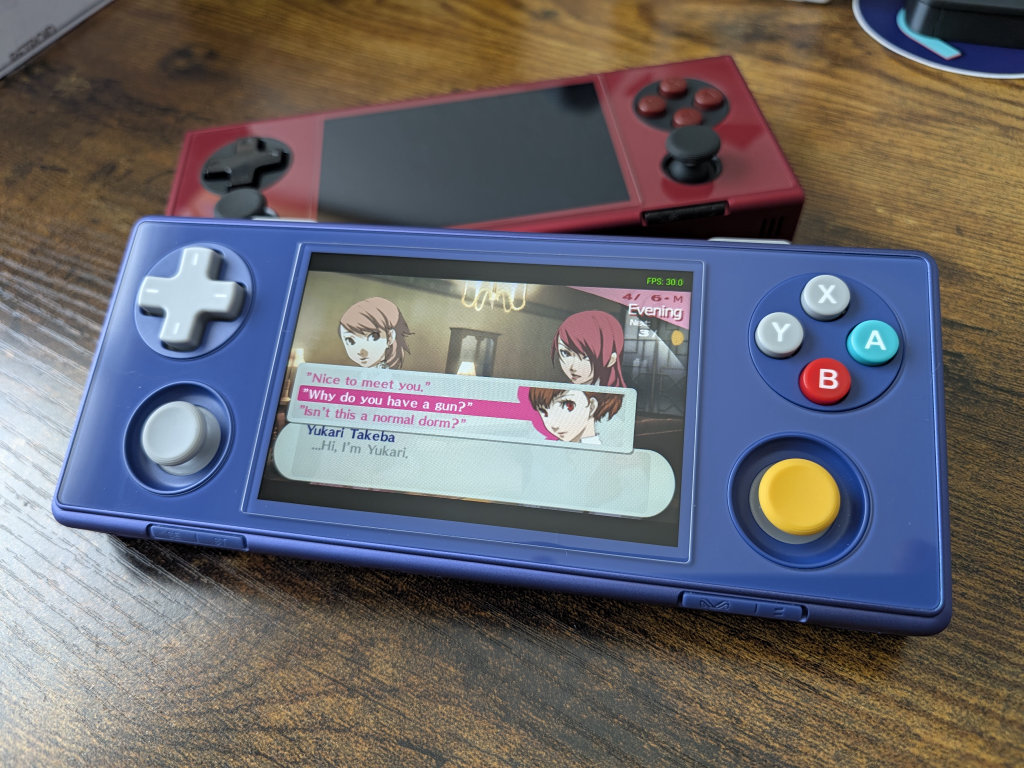
While the Pocket Micro and Pocket Micro 2 remain fairly similar in their looks, that similarity stops once we start talking about the internals and gaming performance. While the Snapdragon 865 is starting to get a little long in the tooth, it is still a fairly performant chip, especially in comparison to the MediaTek Helio G99 found in the Pocket Micro.
I tested both devices in Gaming mode, which can be found in the AYANEO settings menu.
Looking at the results, we can see that the Pocket Micro 2 absolutely smokes the Pocket Micro. While this isn’t terribly surprising, considering the differences between those chips and GPUs, seeing them represented graphically is stark. This gives the Pocket Micro 2 the opportunity to stretch its legs in ways its predecessor was simply unable to do, which we’ll talk about more in just a minute.
While I unfortunately no longer possess my KONKR Pocket Advance, considering that it has a slightly weaker chip and slightly stronger GPU than the Pocket Micro, you could expect some similar results.
Software
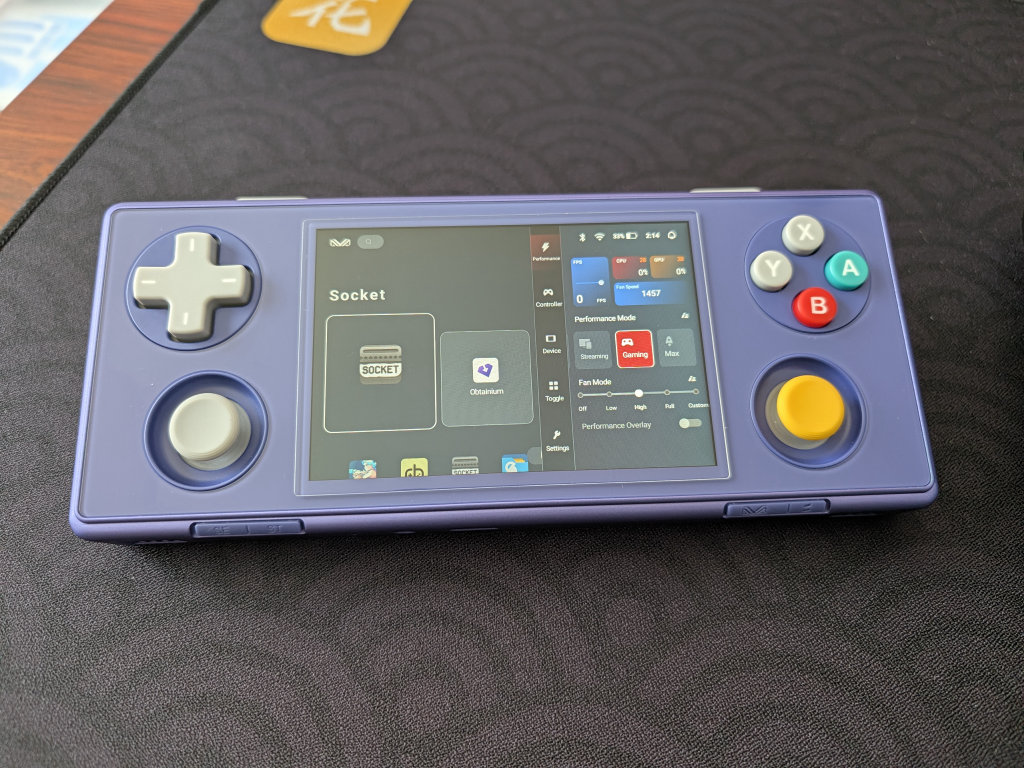
For anyone who’s dealt with AYANEO’s software before, it can seem a bit unnecessarily overwhelming at first, but it’s a tinkerer’s paradise. Clicking the AYANEO “M” button along the bottom-right edge will open up a menu, where you get a mix of monitoring and performance panels, along with quick-hit settings and various parameter adjustments.
Their AYASpace launcher is honestly garbage, and I’d steer clear of that in favor of something like Daijisho, Beacon Game Launcher, or Socket.
Gaming Performance
Now that all the hardware and software aspects have been taken care of, let’s get to the fun part – the games!
Note: I’ll mention this once in the article for the sake of being comprehensive – the Pocket Micro 2 uses a 3.5″ screen with a 3:2 aspect ratio. This means that 4:3 content is going to give you vertical black bars along the sides, while 16:9 content is going to give you horizontal black bars along the top and bottom.
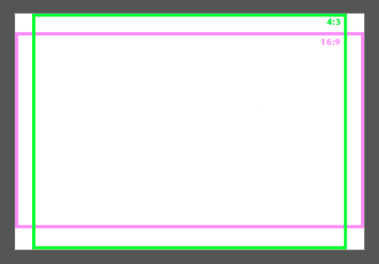
There are various adjustments you can make within RetroArch or other emulators to minimize this, but just know going in that you’ll lose some screen real estate.
Emulation
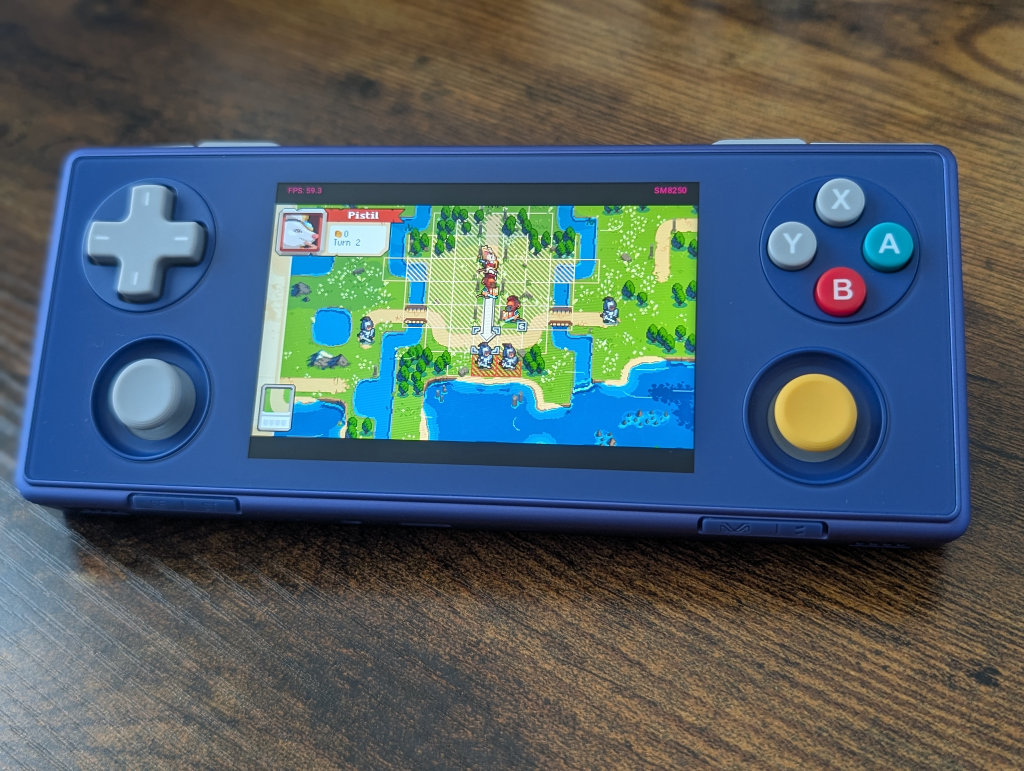
As mentioned previously, the Pocket Micro 2 handles anything PSP and below with ease. The sweet spot for the Pocket Micro 2 is, of course, with Game Boy Advance, but it also handles most of the GameCube and PlayStation 2 library as well, though some titles may require additional tweaking.
You can also play several light Switch games on the device, though anything more demanding will require additional tweaking or may simply not play. Also, while this chip can handle Nintendo DS and 3DS titles, trying to play these on a 3.5″ screen is a miserable experience.
Streaming and PC Gaming
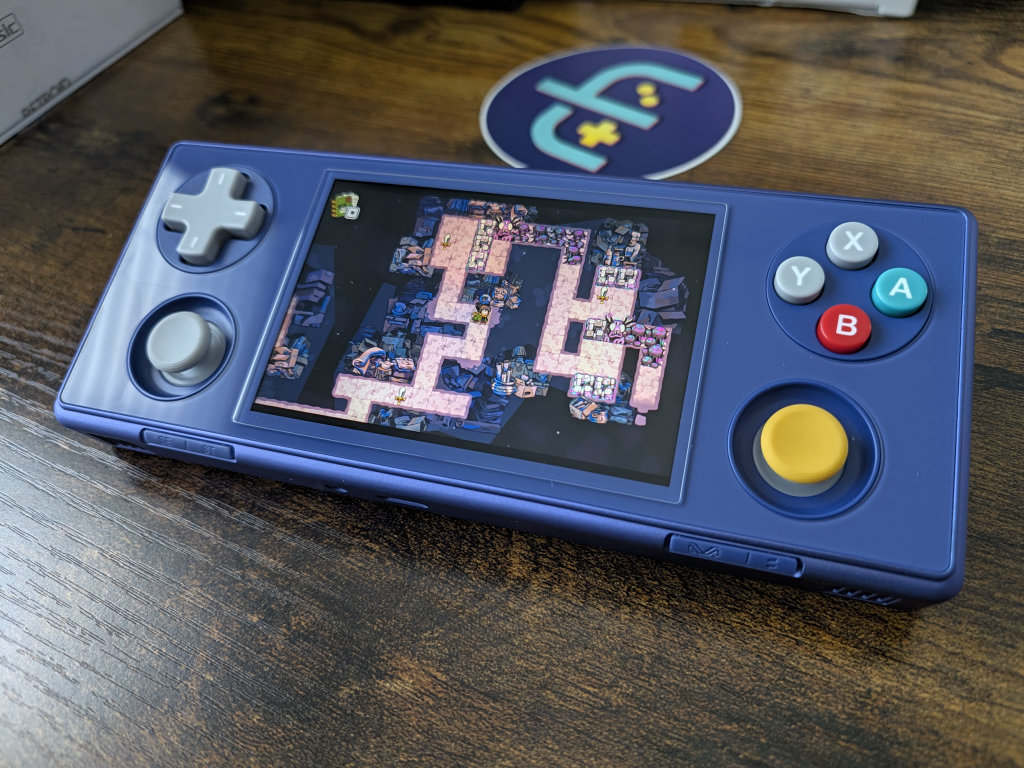
Playing games through GameNative was actually quite fun on this device, even with that small 3.5″ screen. You’re not going to be playing any AAA games with that chip, but games like Arranger and Backpack Hero gave me little to no issues, outside of maybe some really small text. Colors and images looked crisp on that screen. The Pocket Micro 2 can handle lighter games at High graphical settings, but you may find that you need to adjust to Medium or Low to get the best performance.
Using Artemis and streaming will depend entirely on your personal desktop/gaming PC setup and your home network. As a whole, I prefer to leave streaming and PC gaming to larger devices with more performant chips, but you can certainly do both with the Pocket Micro 2.
Android Gaming
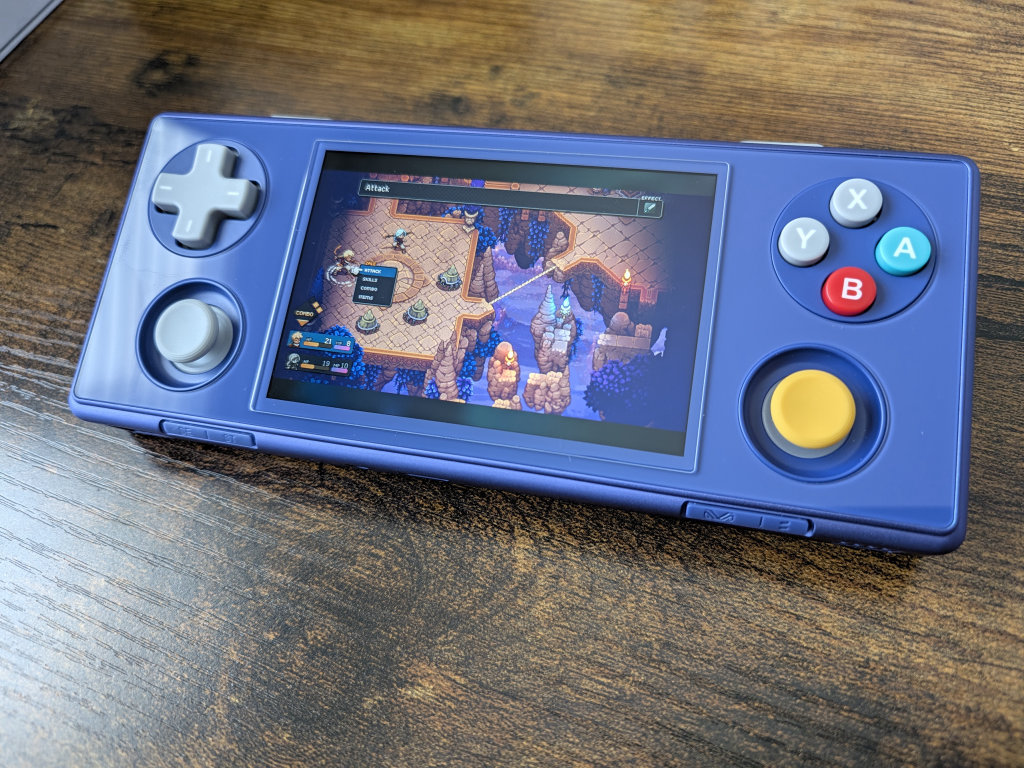
Playing Android games gave me no issues on the Pocket Micro 2. Sea of Stars, one of my favorites for testing Android games on retro handhelds, looks great and plays well. Highwater is another one that is pretty demanding with all of the water effects, and also played brilliantly with the addition of the analogue sticks over something like the KONKR Pocket Advance.
Some games like Highwater don’t look great if you try to play with High graphical settings, as is the case for some other games, so just bump the settings down to Medium and you’re off and running.
Food for Thought
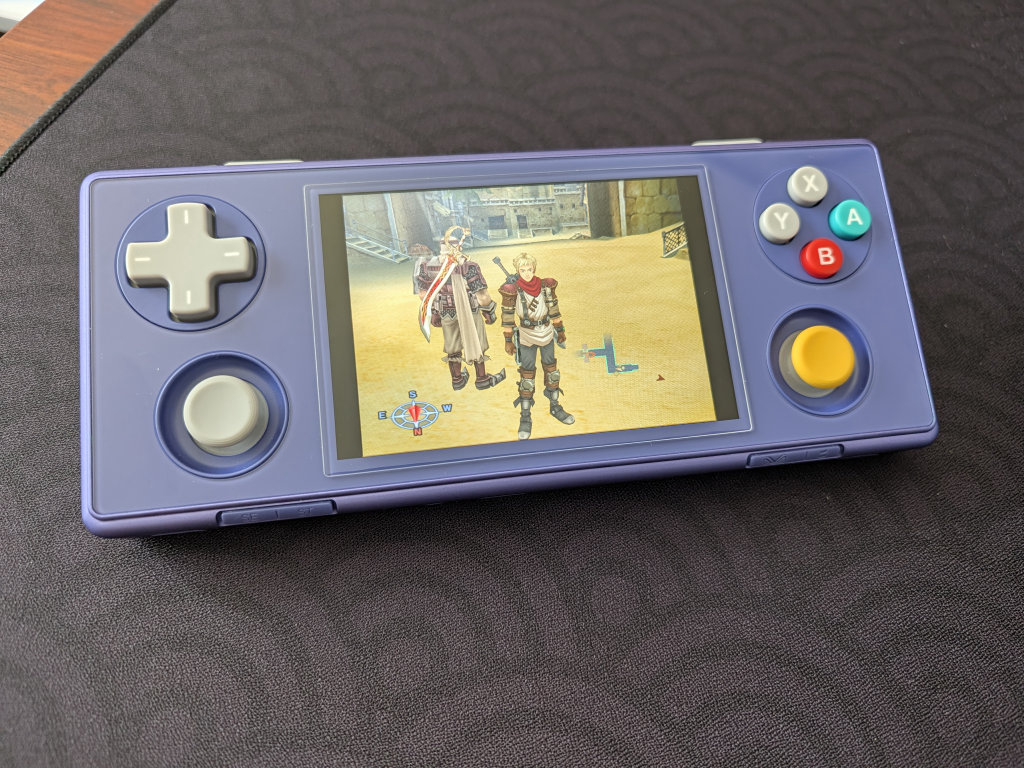
The Pocket Micro 2 is, honestly, better than I thought it was going to be when I placed my order. I try to order as many AYANEO devices as I can to provide coverage for the website (and because I generally just enjoy their devices), and I was pleasantly surprised with both how the Pocket Micro 2 felt in my hands, and with how it performed in comparison to the Pocket Micro and KONKR Pocket Advance.
I think the AYANEO Pocket Ace in my collection once again wins out, at least in terms of a Game Boy Advance-focused device with some additional power, but this ended up being much closer than I anticipated. I genuinely enjoyed my time with the Pocket Micro 2, and that says a lot considering how many high-end Android devices I own. It’s a little pricey for what it offers, but there’s no denying the premium feel and improved controls and ergonomics.
I already talked about AYANEO’s atrocious logistical practices in my first impression, so I won’t belabor that point again. Just know that anything you buy from the company is likely to come with delays. Will it be worth the wait? Hard to say, but sure enough they keep churning out great devices.
