

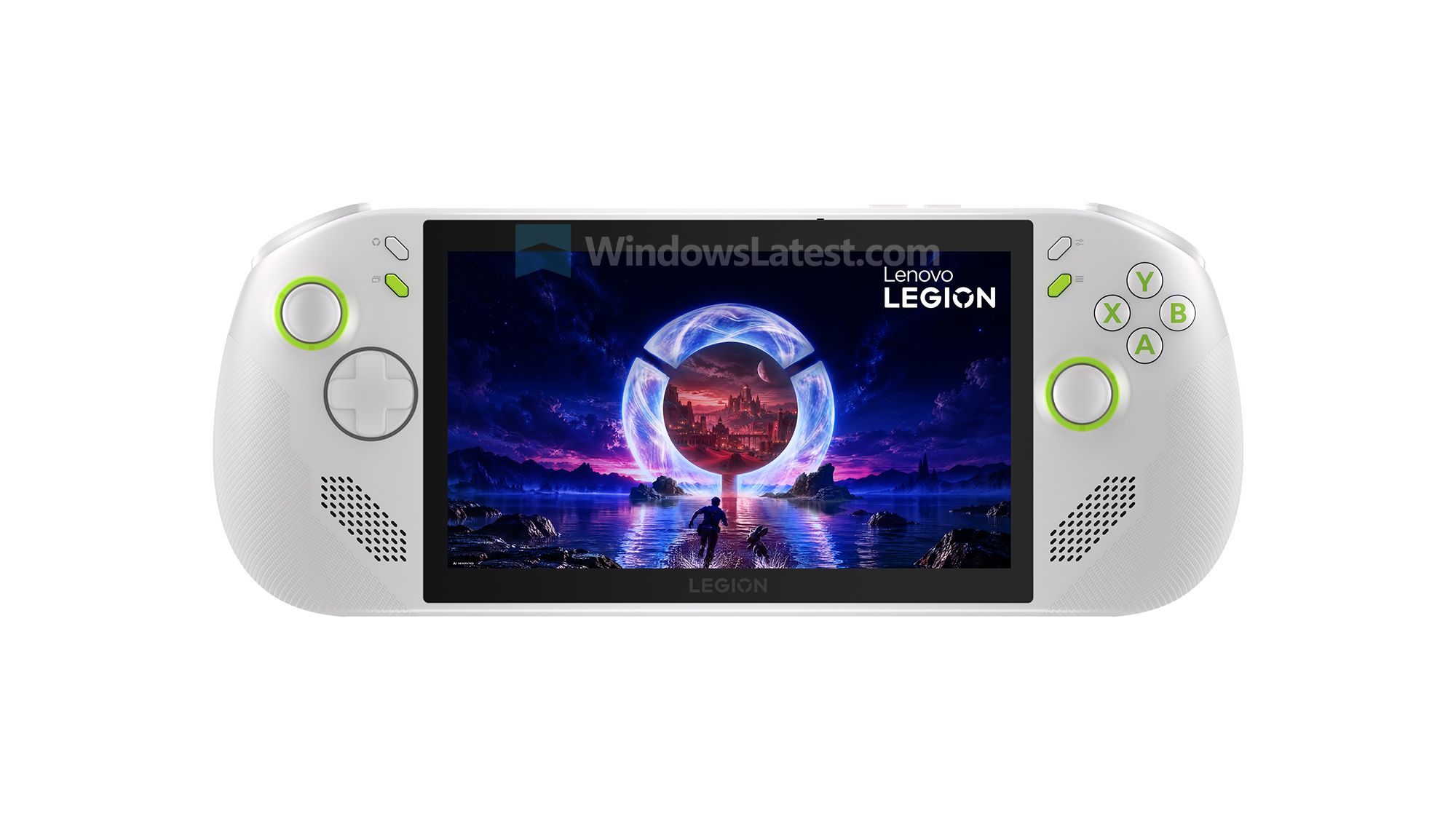
Last week a rumor emerged suggesting Lenovo was gearing up to release an all-new Windows handheld called the Legion Go Beam. The initial report claimed that the Beam was meant to be a bit more budget-friendly, perhaps even running SteamOS. However, a new report from Windows Latest claims that the Legion Go Beam will actually be an Android handheld.
According to materials it obtained, the Beam will “stream from your PC or console” and “play native Android titles.” As for specs, details are still scarce, albeit a bit more is known this time around. Perhaps the most interesting is in regards to the processor:
“The information we have at the moment points to Qualcomm’s Snapdragon G2 Gen 1, though that could change before launch given the chip’s age.”
If this comes to fruition, it would mark just the second handheld released with the G2 Gen 1, with the TrimUI Brick Hammer Pro U arriving as the first. Here’s how the rest of the expected specs shake out according to Windows Latest:
| Display | |
| Screen Size | 7-inch |
|---|---|
| Refresh Rate | 120Hz |
| Connectivity | |
| Wi-Fi | Wi-Fi 6E |
| Battery | |
| Expected Battery Life | “Long-lasting” |
| Extra Features | |
| Ways to play | PC and console streaming, cloud gaming, native Android games, retro game compatibility |
| Software | |
| First-Party | Legion Space |
Specifically with the display, this won’t be the same screen found in the Y700 2026 or the latest Legion Tab. Those tablets use an 8.8-inch display, whereas the Legion Go Beam is said to use a 7-inch screen.
But at least it’s still expected to be a 120Hz panel. Nevertheless, it still looks as though Lenovo is just melding a small tablet with its Legion G9 Gaming Controller.
Unfortunately, there are still quite a few questions left unanswered, including how much the Legion Go Beam will cost. Seeing the G2 Gen 1 at the helm makes us a bit more hopeful that it won’t be released with an extravagant price tag. At the same time, Lenovo shocked many when it bumped the price of its Legion Go S and Legion Go 2 handhelds earlier this year.
If I were to guess, we probably won’t see anything official from the Lenovo camp until around CES 2027 in early January.
