

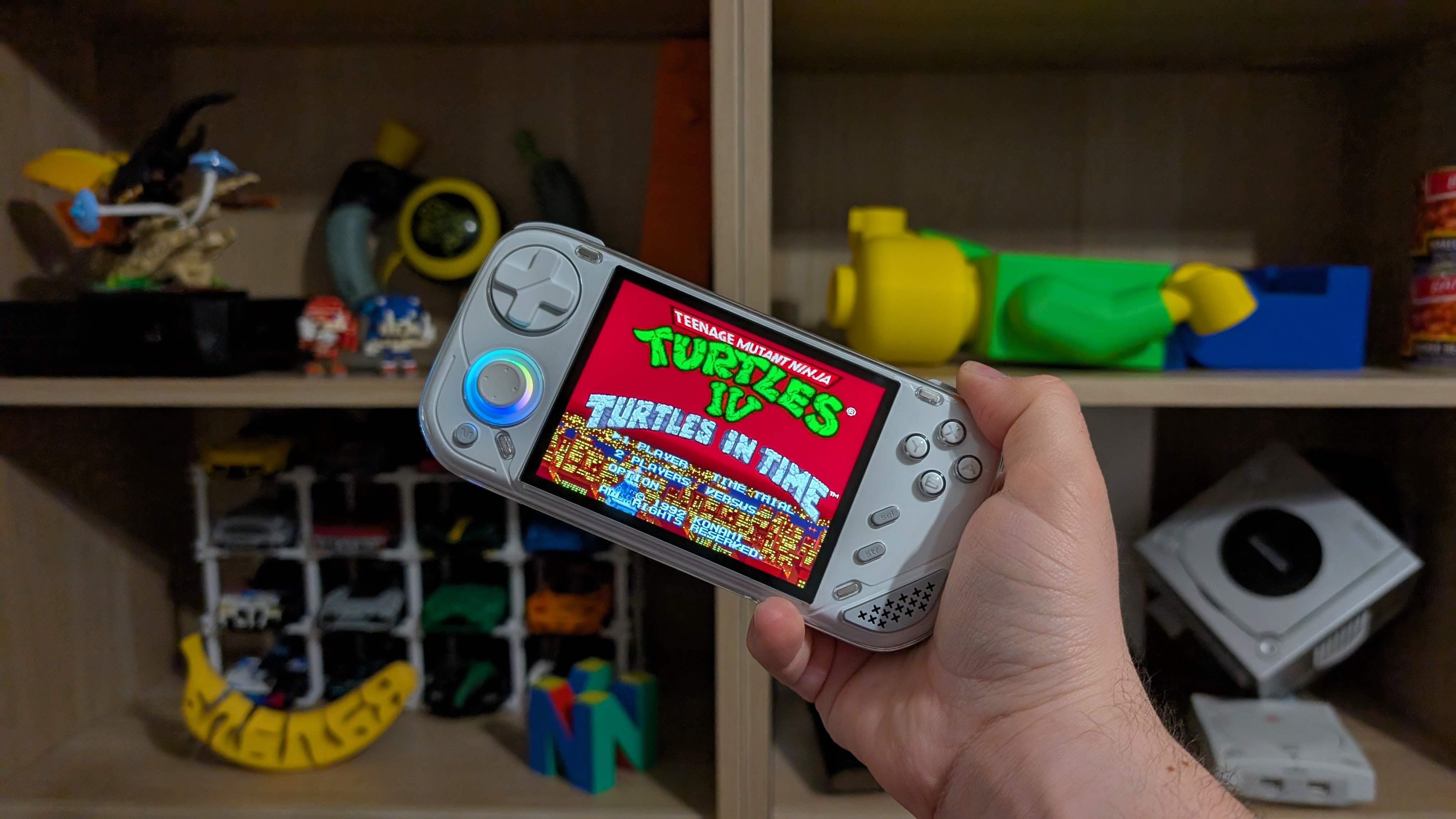
The Rockchip RK3566 is a chip released in 2020, popularized by the Anbernic RG503 in 2022, and was brought back into frequent use by the Powkiddy RGB30 in late 2023. So here we are, nearly 3 years later, and while most of the Linux community moved to the Allwinner H700 and A133P, the low end settled back into the RK3326. BUT IN COMES SOMEONE NEW WITH A STEEL CHAIR.
Well, at the very least, a new handheld rocking the RK3566. Miniloong is trying to make a name for itself in 2026 with a well-built, modular, RK3566 handheld for under $100. But, against the budget Android competition is it actually worth it? Well, that’s what I’m here to help you find out.
Disclosure:
This product was purchased with our own money and was not sent to us by the company. Affiliate links might be present where applicable, and we may earn a commission on product purchases using those links at no extra cost to you.
Miniloong Pocket One Specs
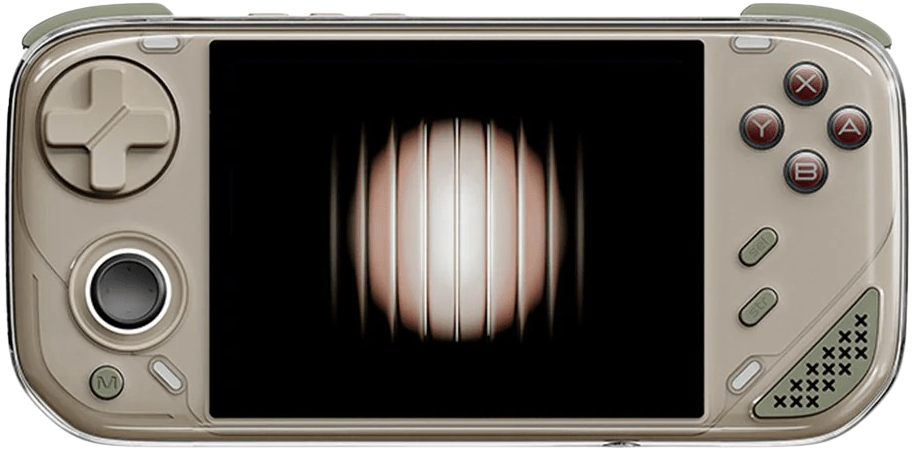
While I’d love to do my usual thing of “it starts at this price point, but is that what you need?” there’s not really a concrete price tag for the Miniloong. Reported prices have gone as low as $65, but average $80-$90 on AliExpress. Some resellers have it listed for $100, and if you’re that person who only ever advertises the lowest price that you’ll never be able to get it for again, it can be as low as $45. But I wouldn’t trust that number at all. Regardless, for $65 to $100, it’s got some decent specs.
Build and Ergonomics
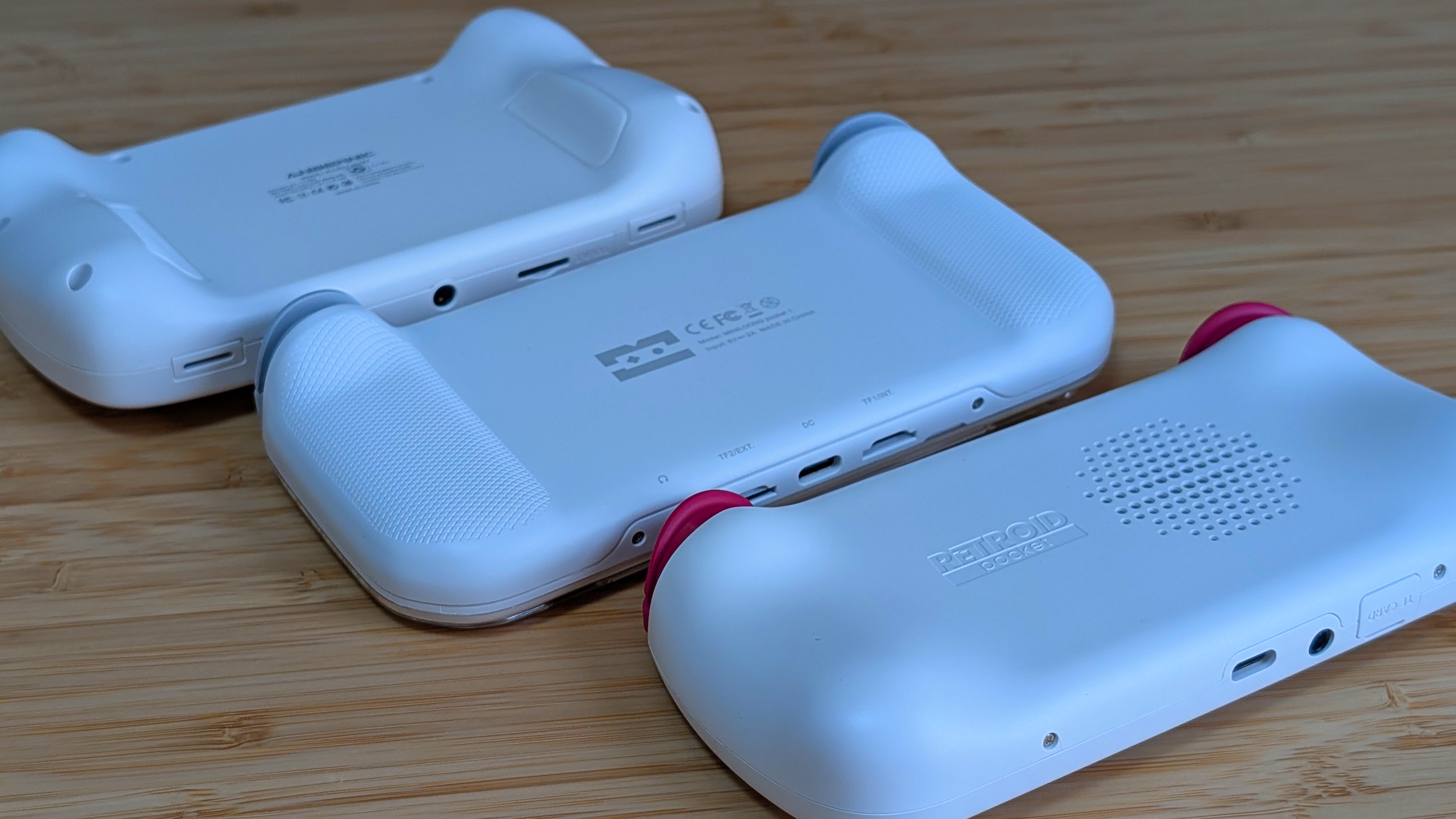
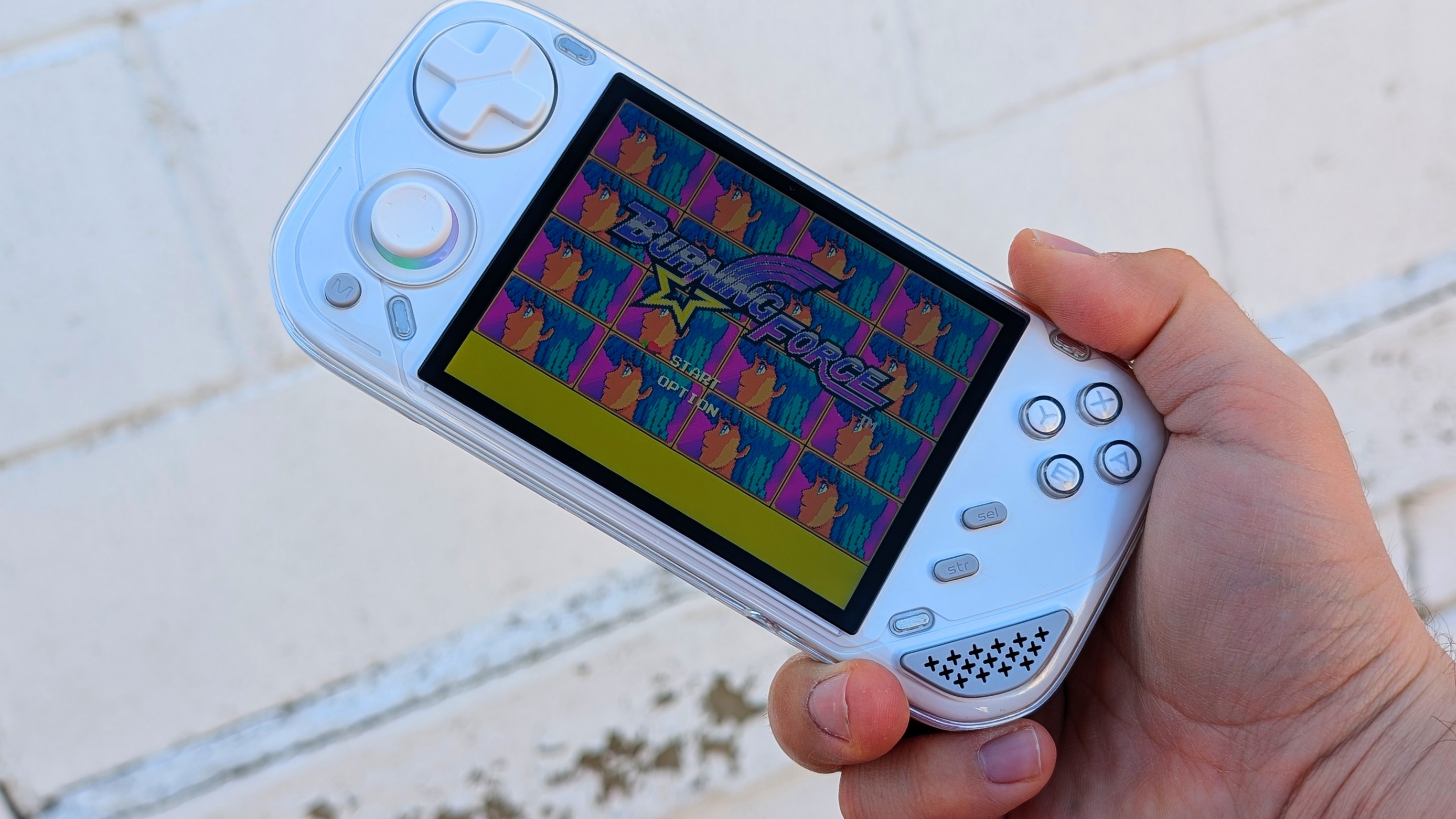
Despite being a first go-around for Miniloong, the Pocket One is ridiculously well-built. The plastic on the back is both solid and comparable to that of the Ayaneo Pocket Air Mini. The back of the Pocket One also has textured plastic along the back to help with the grip, which helps the overall feel of the Miniloong. The front cover is unfortunately a clear glossy plastic, but it isn’t the worst-feeling surface in the world. Overall, it’s built about as well as you can get for the price point.
As for ergonomics, it’s surprisingly good. The grips along the back add more space to grab onto, and my thumbs land on the face buttons pretty well. The other nice thing ergonomically comes from the stacked shoulder buttons. Without worry of reaching your fingers further in for inline controls, you only have to move front to back to reach your shoulder buttons. Overall, this is one of the nicest 3566’s for ergonomics since the RGB10 Max 3.
Modularity
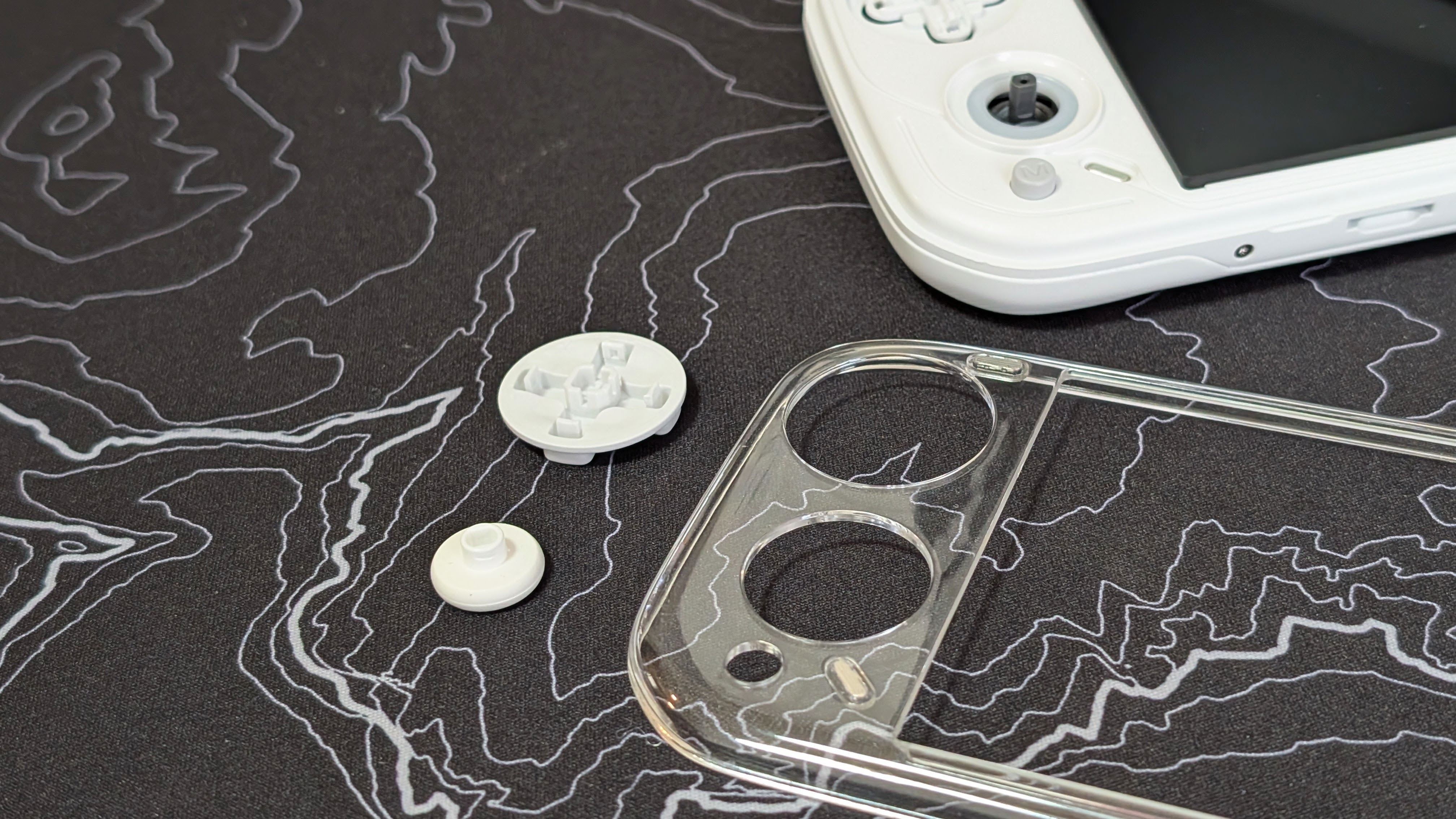
Just a side note to the otherwise wonderful selection of parts with the Miniloong Pocket One, but the Modularity sure does exist. You can take the faceplate and D-pad off, and you can swap the stick cap easily. But you have nowhere to buy new faceplates or dpads from at the moment. Despite advertising options and replacements, no Miniloong store has shipped frontplate or dpad replacement options, and I’m unsure if they ever will. While I have my hopes, I have no promises either. Fingers crossed that changes soon.
Controls and Screen
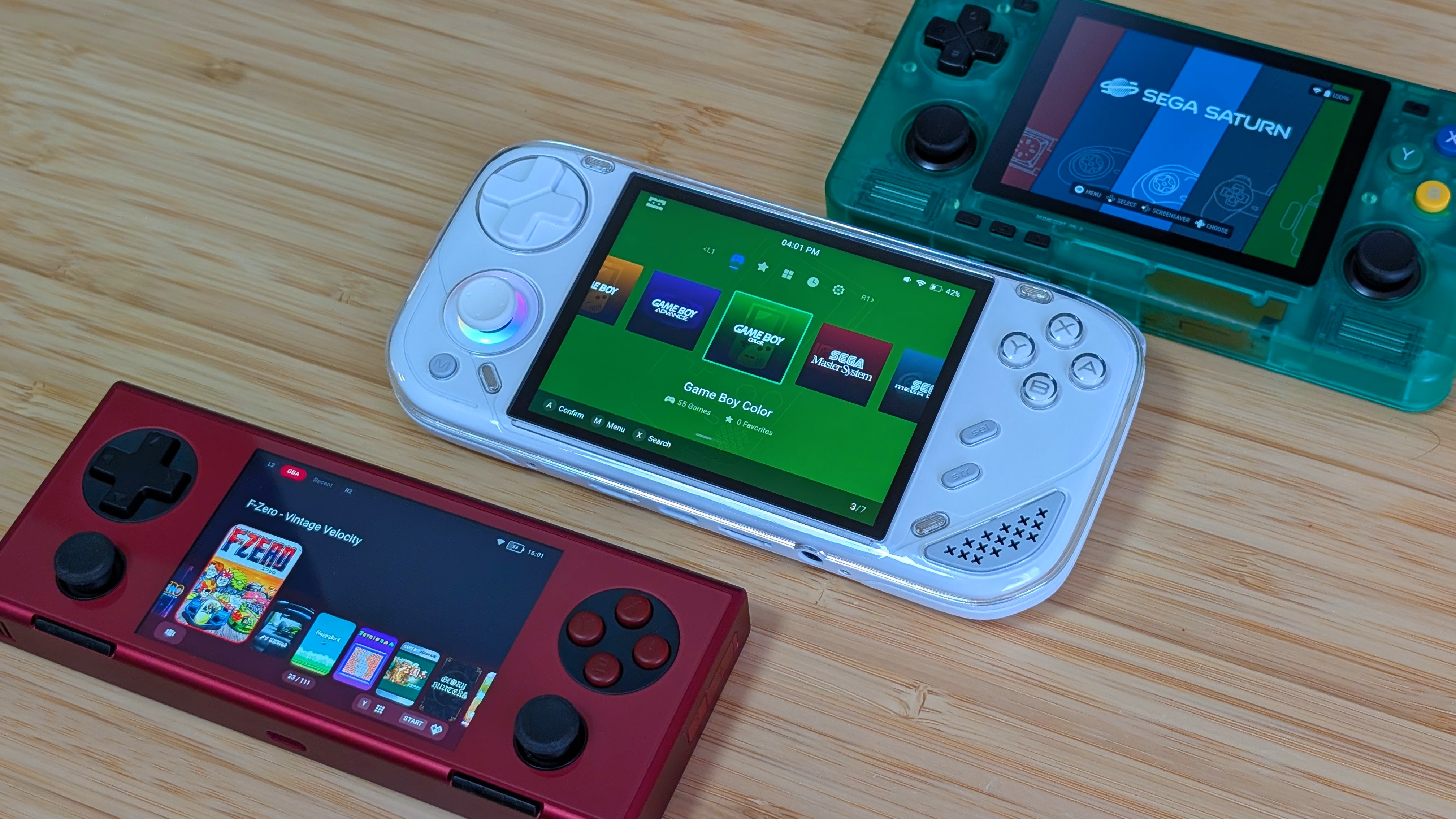
The good keeps on rolling with the next two categories. Starting with the screen, it’s big, nice, and bright, and it manages scaling incredibly well. Some of my favorite systems of choice scale almost perfectly to the larger, higher-resolution display. Game Boy Advance manages a 4x integer scale with only minor black bars on the top and bottom. Nintendo 64 and PS1 are both a perfect 3x integer scale and fill the entire screen. That being said, N64 is not going to be one you put as much time into. But if you’re looking to scale your PS1 and below, this is a great screen to use that on.
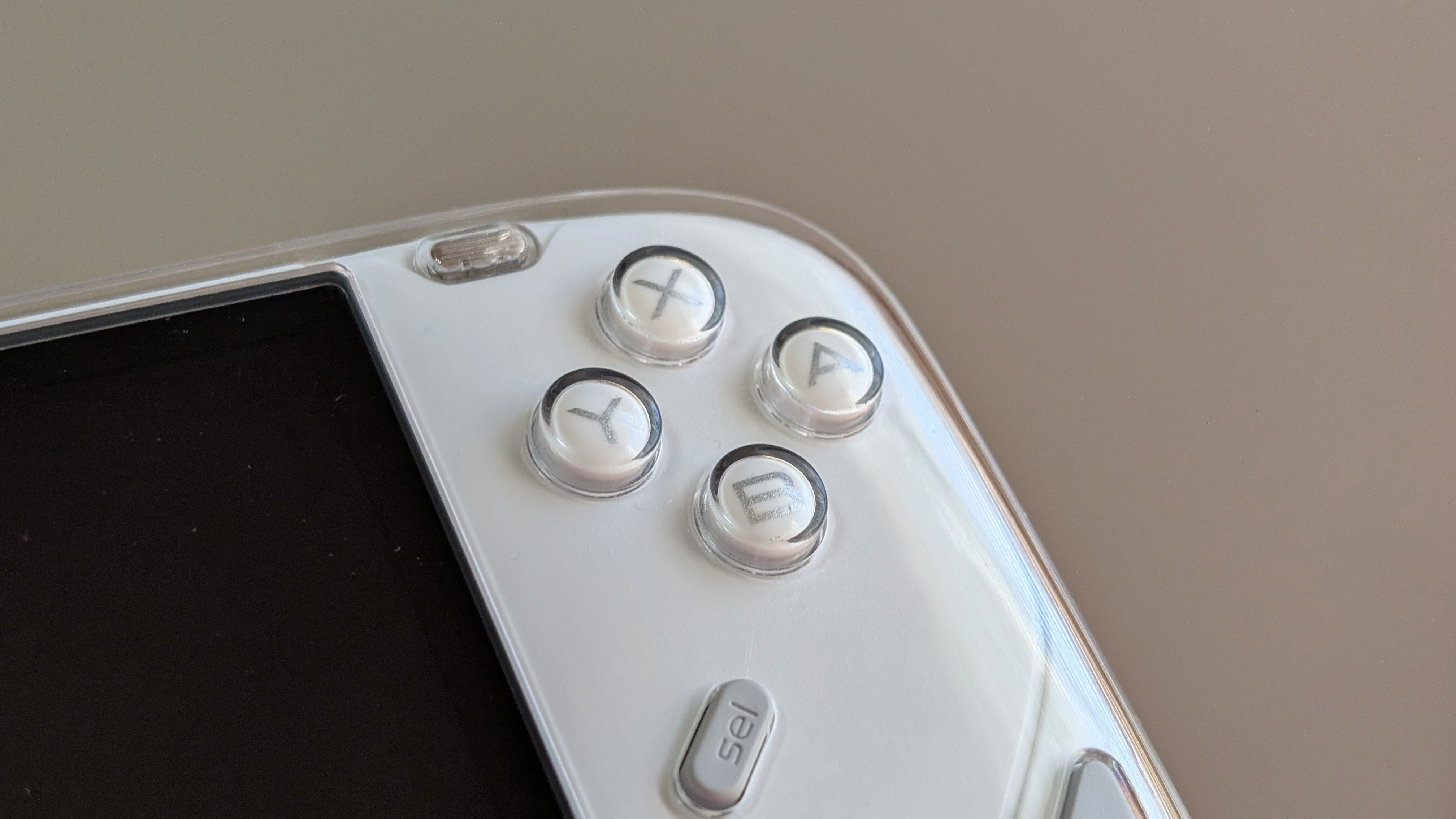
Starting easy with the controls, the single Ginful styled stick is great, with nice movement and solid feeling accuracy. The d-pad has a nice bit of pivot despite being a dish style, which isn’t my favorite. Lastly, the face buttons have a quiet clack to them, and feel like a mix of Ayaneo and Mangmi face buttons. I honestly really like the controls as a whole.
Software
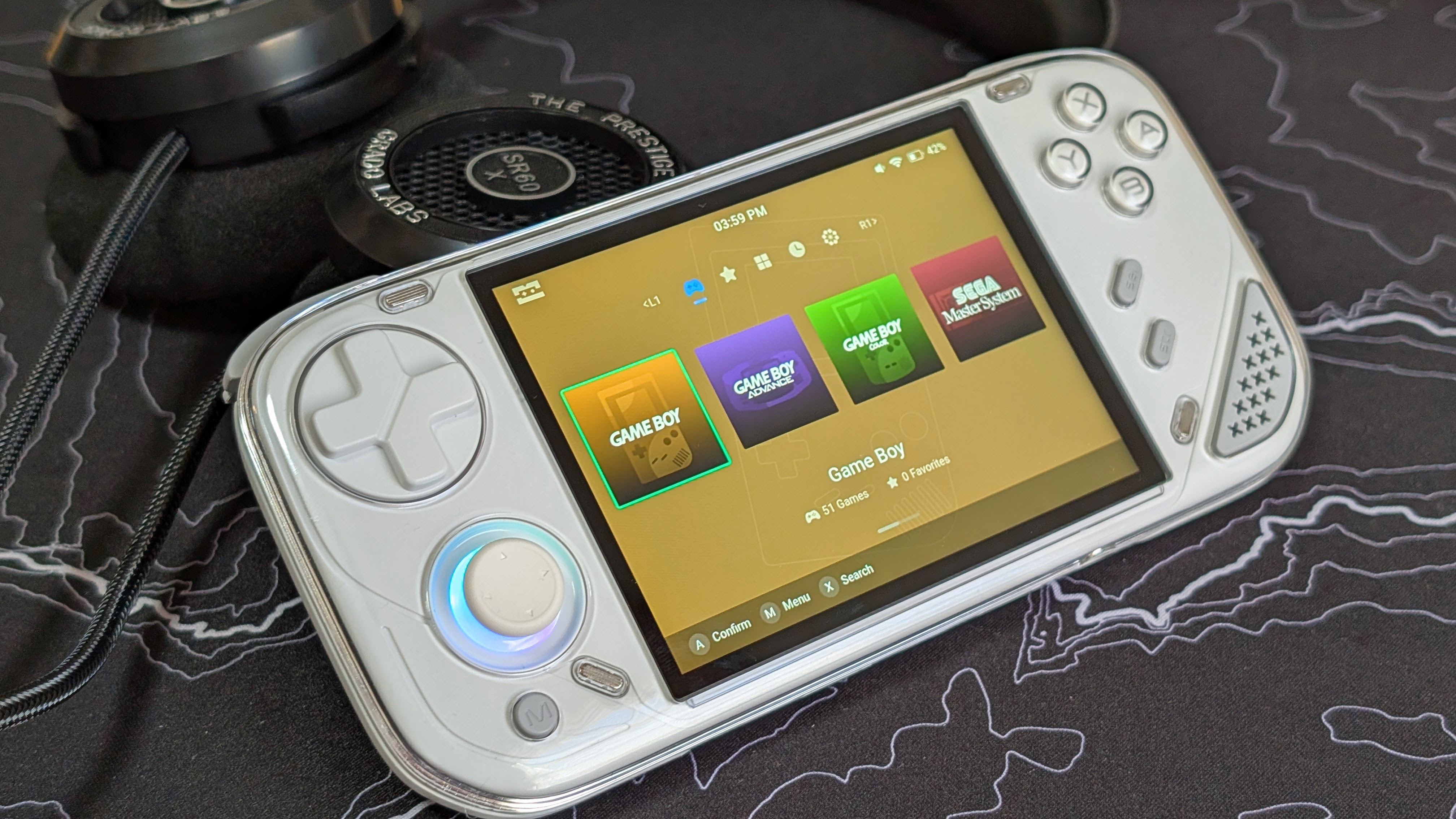
Rather than slap on Rocknix, ArkOS, EmuElec, or any of the other cheap and cheerful (and good) operating systems, Miniloong decided to do their own thing with LoongOS. A very Android-esque feeling operating system that features a pretty well-positioned set of options in its menus and a decent layout overall. LoongOS is easy to navigate, easy to find your ROMs, and easy to update thanks to its OTA updater built into the system. That means, they’ll hopefully work on this handheld for more than just its initial release.
That being said, there are just a couple of downsides. Menus are questionably laggy, and if you buy this without the SD card, you’ll have to figure out how to populate the files on your own; some systems will never show up. I found a mix of ES-DE and my own named files managed to show up alright, but others, like Game Gear, didn’t seem to work, no matter what I did. That being said, once set up, it was a lot easier to handle, and thanks to the dual SD slots, you may be able to easily add in a new OS if you’d prefer something different.
The Loong boy is mostly a win in its OS, and leagues better than anything I ever saw from companies like Powkiddy, but it still has a ways to go.
Performance
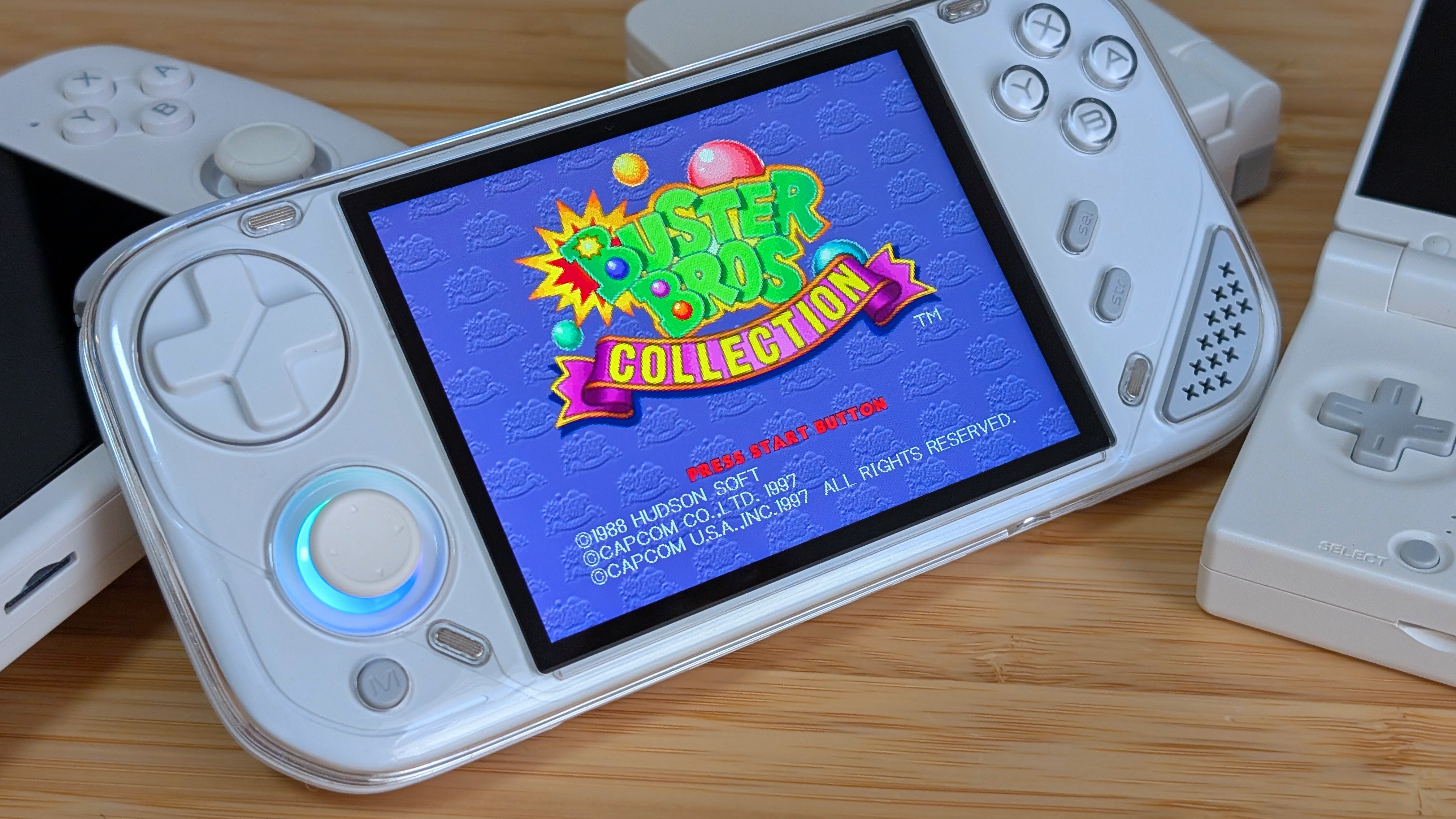
Here’s the one lackluster part of the device, especially if you’re spending close to $100 on it. The RK3566 is a solid contender for everything up to PlayStation 1, but the moment you pass that point, you’re going to have hit-and-miss performance across N64, Dreamcast, and PSP. In fact, there are a couple of reviewers who have been having Dreamcast to even run in the first place. To me personally, it hasn’t been good enough to use a lot.
At this price point, you can grab options that could potentially push light GameCube as well. The Mangmi Air X, MagicX One35, and Ayaneo Pocket Air Mini all come to mind immediately. Running stronger chips to make their Android experience smoother, they can all push some lightweight GameCube games. Even at a lower price point, there’s competition. The TrimUI Smart Pro S can push PSP and Dreamcast pretty well and still comes in at a similar price to the Miniloong. Because of this, I’m not sure if the Miniloong is going to be your best bet if PSP and above are what you’re looking for.
Final Thoughts
The Miniloong Pocket One is a premium, well-built, RK3566 handheld. It has a better screen and nicer controls than most of its contemporaries, matching the build quality of late 2025/early 2026 handhelds. Where it lacks is performance. While the 3566 hasn’t changed much since 2020, the market around it certainly has. With the introduction of cheaper Unisoc and Allwinner chips that can perform better or with more compatibility, the 3566 is starting to feel left behind in both power and sleep capability.
Do I recommend the Miniloong? If you know your needs, and you know you’re not going to push into high-performance emulation, I think the Miniloong is one of the best Linux handhelds under $100. That being said, if you want a full PSP, N64, or similar experience, you’d be better served by quite literally any of the recent Android handhelds that have come out in this price range. That being said, it’s still a great device, and I’m considering making it my only 3566. I just hope the software continues to get better.
