

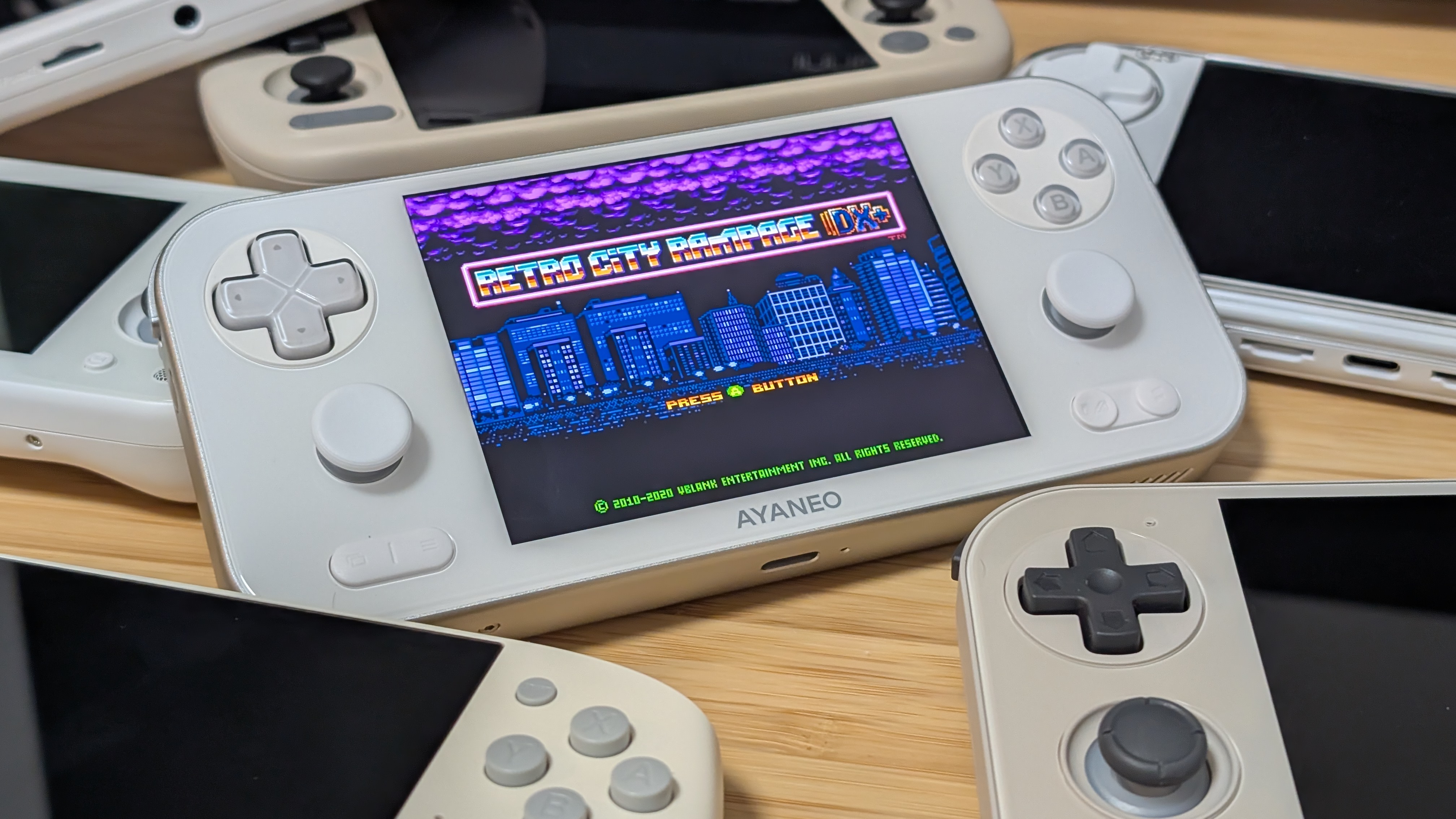
AYANEO has not had the greatest track record in terms of shipping times, community response, customer service response, and general marketability. That being said, they have made some incredibly solid handhelds in the past, and they’re back again with the AYANEO Pocket S Mini.
Among the slew of handhelds they’ve announced in the last year comes a premium, pocketable, performant device that packs a punch at a “palatable” price you’d hope. Despite that, it does look like a fancier version of the Anbernic RG476H. So is it worth it?
AYANEO Pocket S Mini Specs
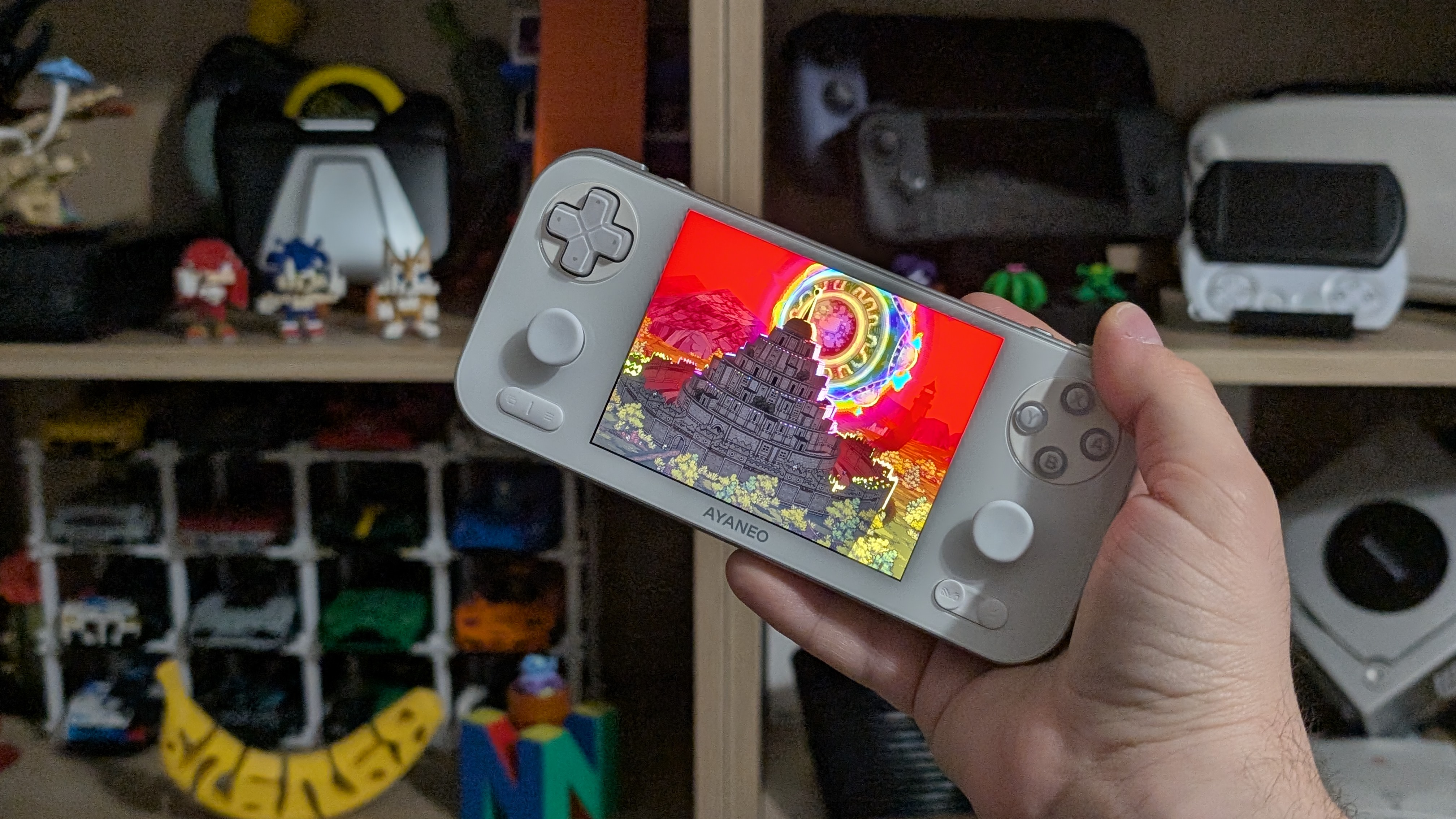
At a starting price of $320 and a max price of $479 before shipping, the AYANEO Pocket S mini has a lot of power within a small yet familiar-looking shell. However, with more powerful, cheaper options. Is that going to be worth it to you?
| Specifications | |
|---|---|
| Hardware | |
| CPU | Qualcomm Snapdragon G3x Gen 2 |
| GPU | Qualcomm Adreno A32 |
| RAM | 8GB LPDDR5X, 12GB LPDDR5X, 16GB LPDDR5X |
| Display | |
| Screen Size | 4.2-inch |
| Resolution | 1280 x 960 |
| Aspect Ratio | 4:3 |
| Refresh Rate | 60Hz |
| PPI | 380.95 |
| Storage | |
| Internal Storage | 128GB UFS 3.1, 256GB UFS 4.0, 512GB UFS 4.0 |
| External Storage | microSD |
| Battery | |
| Battery Capacity | 4700mAh |
| Connectivity | |
| Wi-Fi | Wi-Fi 6 |
| Bluetooth | Bluetooth 5.3 |
| Ports | USB-C |
| Video Out | Yes |
| Controls | |
| Sticks | Hall Effect |
| Triggers | Analog |
| Shoulder Layout | Stacked |
| D-Pad | Top Left |
| Audio | |
| Speakers | Stereo |
| Speaker Location | Bottom-firing |
| Physical | |
| Dimensions | 167.1 x 77.85 x 18.5mm |
| Weight | 305g |
| Form Factor | Horizontal |
| Software | |
| Operating System | Android 14 |
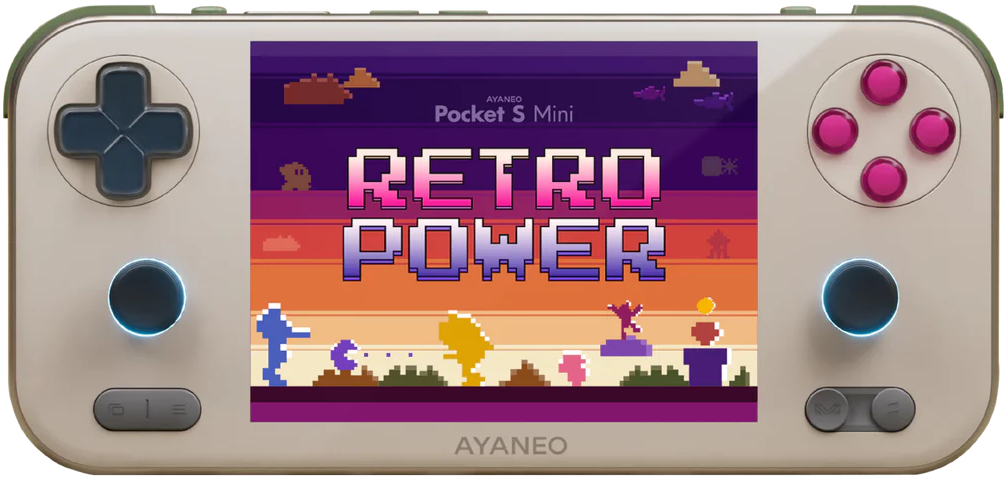
Build and Ergonomics
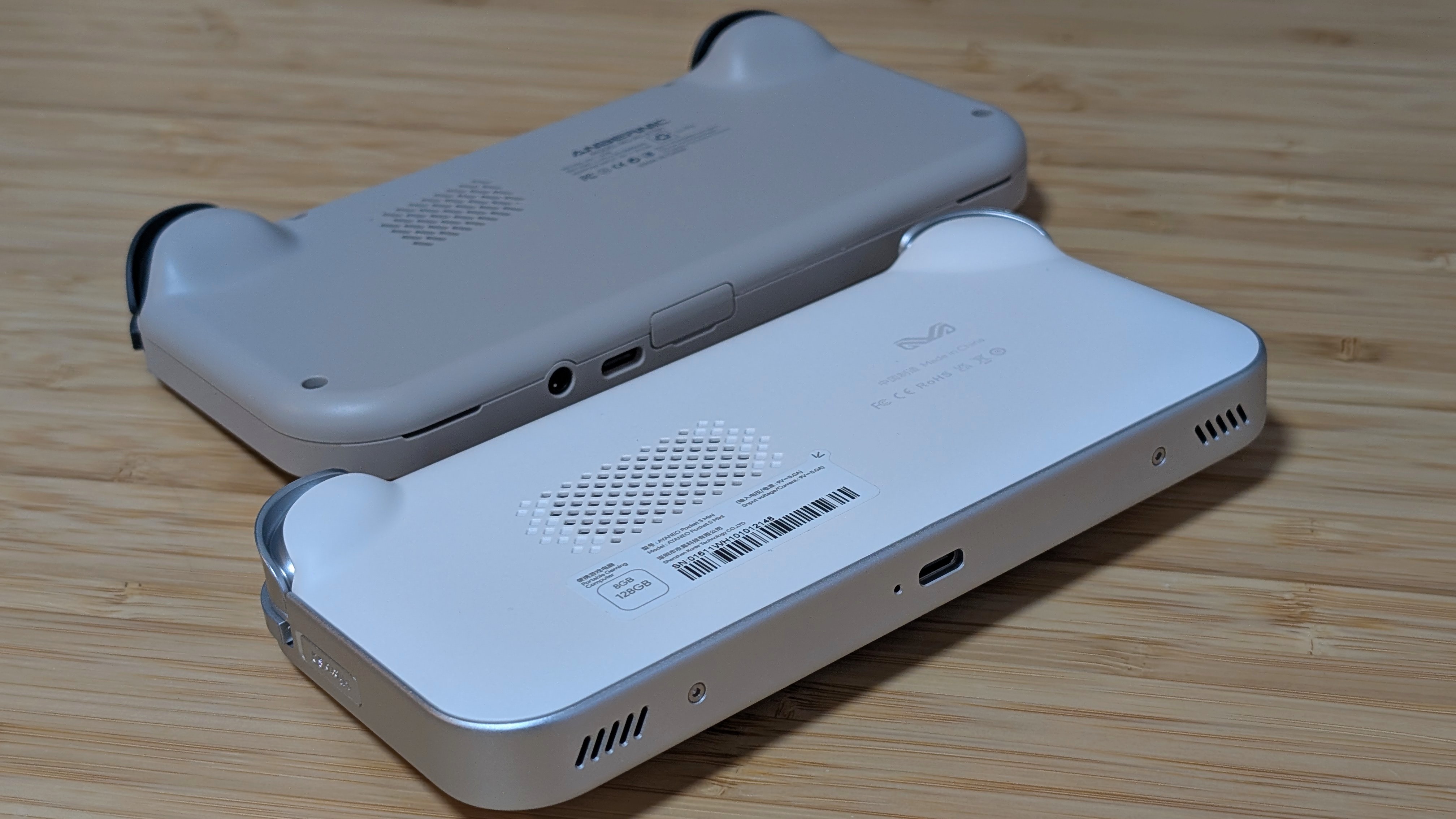
Going off of my RG476H comparison from before, I want to say that AYANEO still does one thing really well, and that’s their build quality on the outside. Matching glass fronts and plastic backs, the Pocket S Mini substitutes the middle frame with a proper metal midbody, giving it a weightier, more premium feel. Both handhelds feature a pretty similar texture in their back plastic, but I think it’s good enough on both.
Going off of ergonomics, though, the Pocket S Mini fares shockingly well. My thumbs find the Dpad and face buttons easily, and the sticks being inset make it a little bit easier to reach than on the RG476H, where you end up having to claw your thumbs just to reach the taller sticks. The Pocket S Mini may be slightly shorter and slightly narrower, but by being slightly thicker, it’s actually more comfortable.
Controls
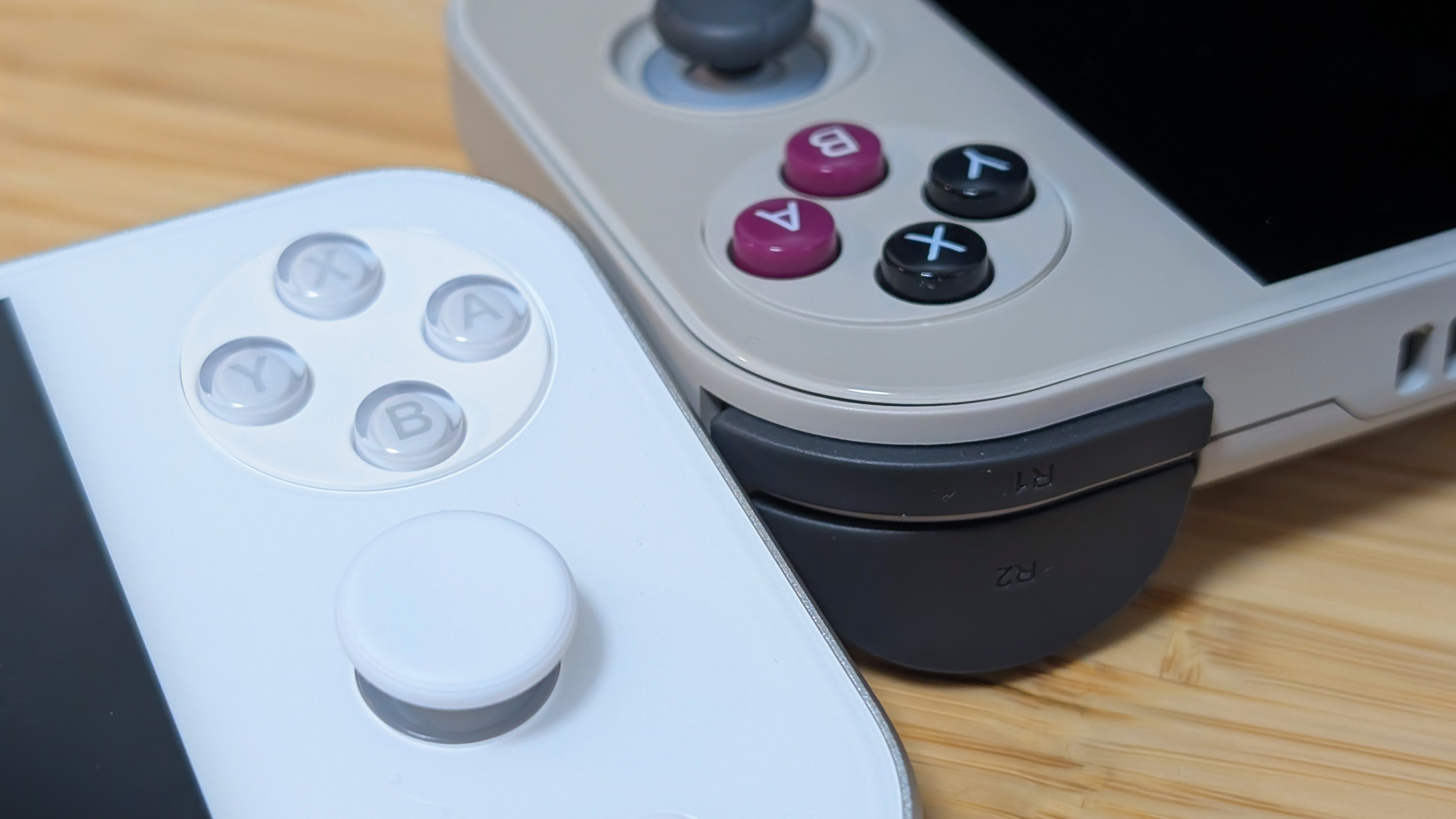
Touching into controls, the Pocket S Mini has incredibly small, Pocket Vert-sized crystal buttons that end up being a little clacky if you’re going to spam them. The RG476H buttons, by comparison, are a little larger and a little quieter, though they do require more tension to press. The dpad on the other hand is perfectly fine on both, with a nice pivot and light actuation, they handle well, and were accurate in my usage.
The shoulders and triggers on the Pocket S are both membrane (with analog triggers). And they are easy to reach and press. My one gripe is that L1 and R2 may be too thin. My other gripe with AYANEO controls is the sticks. I’ve given up on complaining about their size, but I will comment that I still don’t enjoy their texture, or that they feel like they don’t have as much movement as the Ginful sticks on an RG476H. Overall, it’s fine, but not perfect. I’d stick to more retro systems on this despite the price.
Screen
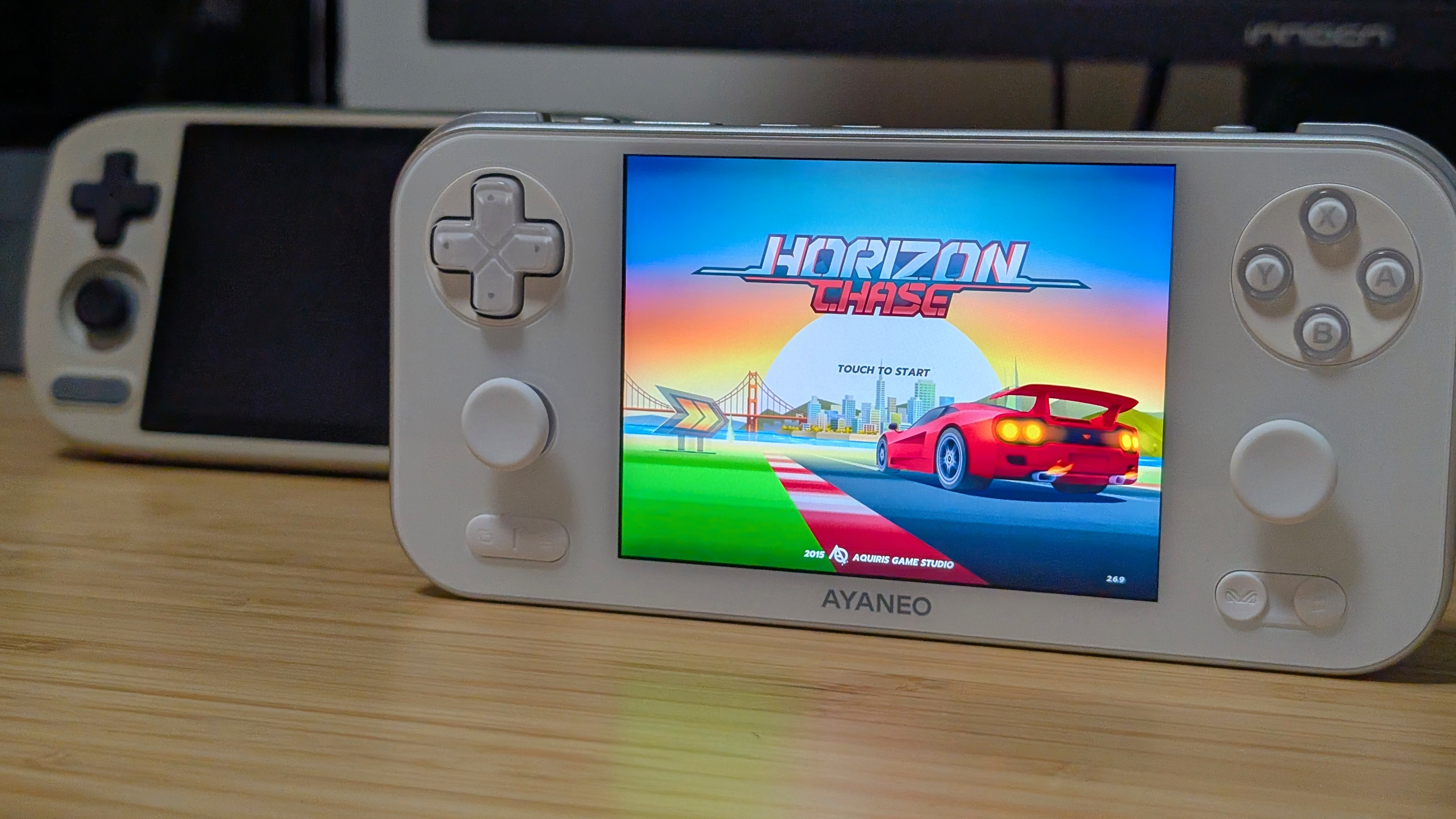
The one fatal flaw? The thing that Anbernic is absolutely doing better in? The 4.2” display on the Pocket S Mini. 1280×960 is a good resolution, great even. Same as the RG477M and RG476H, albeit half an inch smaller. While most people will look at their handheld and say that half an inch doesn’t matter, I think it makes a bigger difference than you realize.
The Pocket S Mini could have fit a larger screen thanks to the large bezels on it, or they could have made the device slightly larger. Alongside that, the lack of 120Hz support kills anyone’s interest in Blackframe insertion. If Anbernic could do it in a $130 handheld, AYANEO should be able to put anything faster into their $320 device.
Lastly, ghosting. A lot of people have commented on the ghosting present in the Pocket S Mini display. I personally haven’t noticed it on the Pocket S Mini or the Pocket Air Mini, but I think it’s important to note in case you have more sensitive eyes to issues like this. This is a screen used in a $90 handheld. It has $90 handheld screen problems. And in turn, makes this more underwhelming. Regardless of how well my PS2 fills up the display.
Software
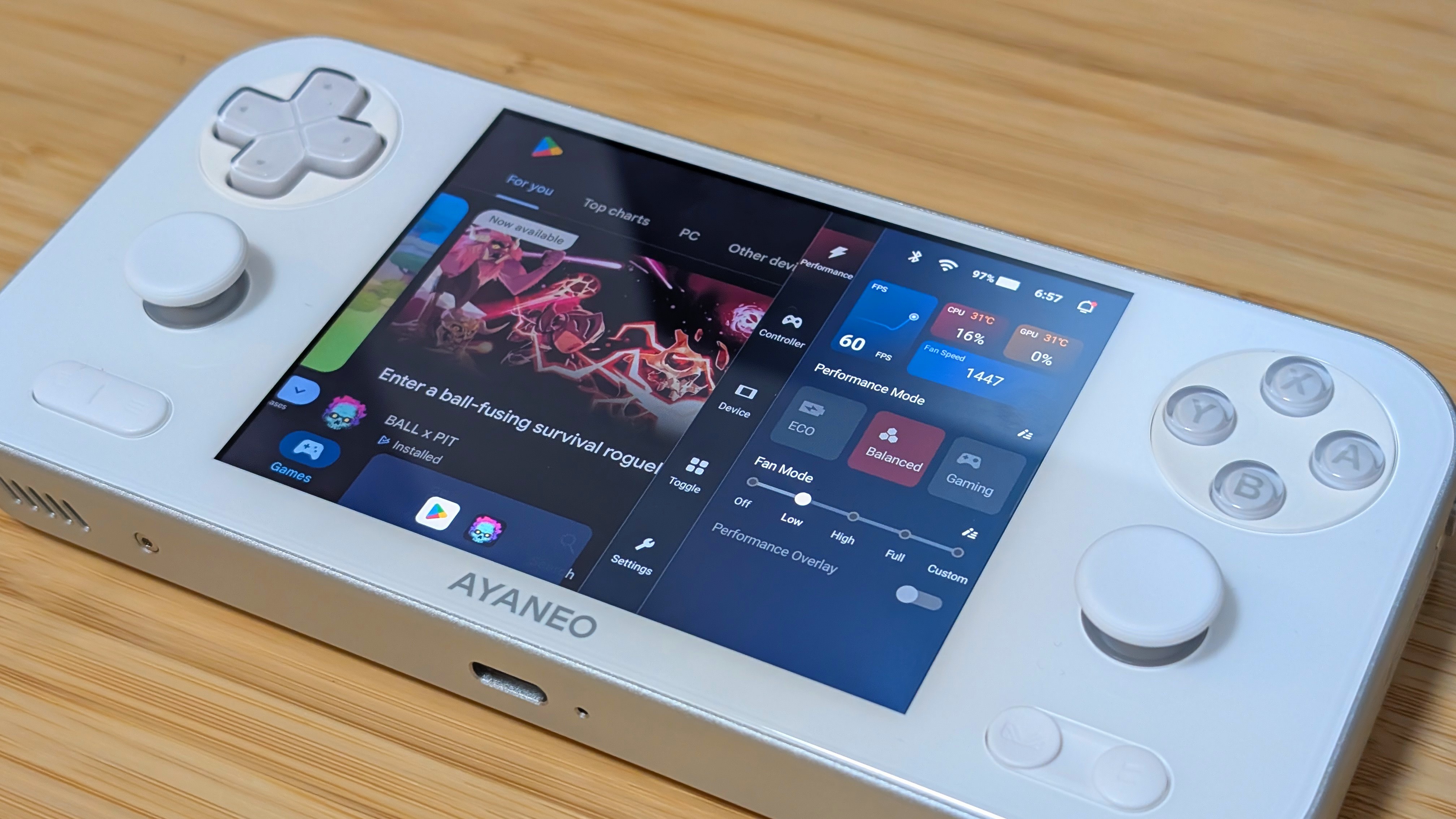
Here’s another qualm I have against AYANEO. On their Pocket Fit, which I reviewed recently, I had issues with their Wifi. Items would take forever to download, or I’d have to try a second or third time to get them working. While I was hopeful that things would improve on their “mainline brand,” I found this to be the second AYANEO handheld with performance issues in software, but only specifically with the Google Play Store.
Navigating menus is fine, but the moment you enter the tab to redownload other apps, it starts to freeze and refuses to load. I don’t know about you, but I shouldn’t have to wait 12 seconds for the checkbox next to Ball x Pit to load to know I can hit the download button. And wait for that to even register again.
These awkward, laggy messes have become more apparent recently, and I don’t like it. Alongside that, booting into most games gives me some sort of Google Play error that I’ve yet to figure out how to resolve. Again. How do you mess this up?
In better news, Ayaspace software is still getting better with every release. And if you want to set performance, fan speeds, or joystick colors, you’ll have no issues yet again. AYANEO is one of the few companies doing this part of the software right.
Performance
When it comes to performance, you’re getting about the same thing you’ve gotten on every other G3X Gen 2 handheld from AYANEO. That means everything through Switch and x86 emulation, with a ton of push for upscaling lower-end systems like Gamecube or PS2 by comparison. Alongside that, all of your Android games are going to run well. Despite the odd Google Play performance I’ve found along the way.
In terms of benchmarks, you can see how it does against its lower-scaled Anbernic cousins running the T820, but also against the D8300 just to see if the extra $40-$70 is worth the cost over the RG477M.
As you can see, the performance jumps in the Pocket S Mini are less apparent on the CPU, but are way more apparent in the GPU, having jumps of up to 2.5x over the 477M and its Dimensity D8300. For the $40-$70, if you want a ton of extra performance and driver support, the Pocket S Mini may be the move.
As a last note for performance, the Pocket S Mini received an 89.5% in the 3D Mark WL Extreme Stress Test. Not great, but it was better than the 477M, which initially, on its stock OS, received a 27% (up to almost 80% on Gamma).
Final Thoughts
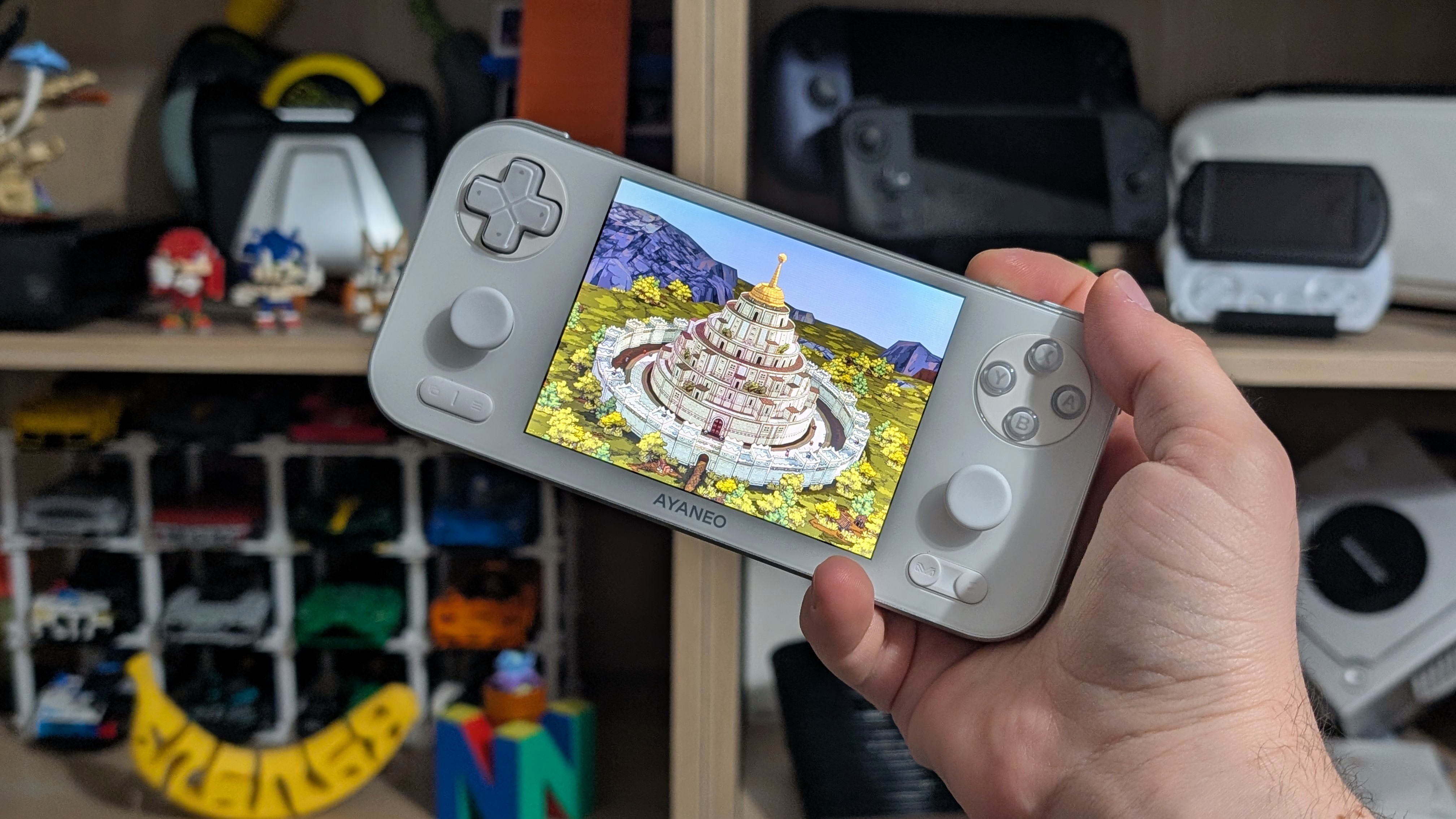
Should you buy the Pocket S Mini? That’s a bit of a hard sell to me. It does a lot right, while being wrong in a lot of ways too. Performance is easily there, but larger devices at a similar price have more power. The screen is nice, and up-scales systems well, but cheaper handhelds have bigger, better, and brighter screens. The small size is nice, but a lot of companies have gone this size in the last couple of years, so it’s not special.
If you want a combination of power, size, and external build quality. The Pocket S Mini is worth it over the 477M if you can forgive the smaller, worse screen. If you have a 476H and want more power (with concessions), this is like the natural step up from there.
That being said, I’m still not sure I’d say go for it. AYANEO’s pricing, continuous slog of releases, and lacking build quality for more recent devices make me worried about their longevity. I paid for this device out of my own pocket, but I’d rather tell you to wait for it to be cheaper second-hand. It may be better, but unless you need the small size. You have plenty of bigger options.

1 Comment
I wanted to know what the game with the towers is ? Thanks