

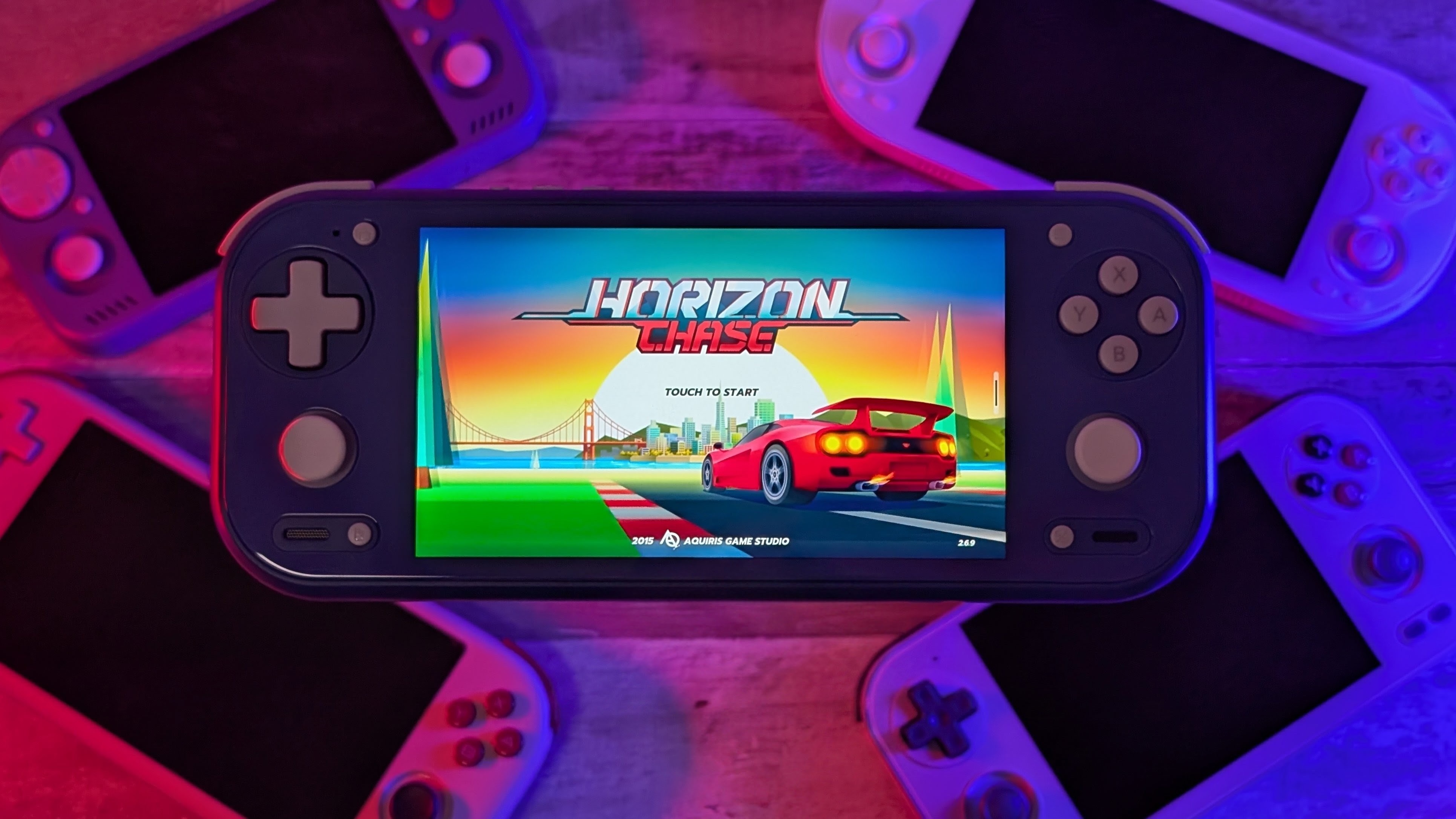
Anbernic has been consistently good at a couple of things over the last few years. Making devices that are missing just one thing to make them perfect, struggling to make truly great high end handhelds, and making devices that look like original devices, but half the time struggle to play what they’re supposed to. Enter: the Anbernic RG 55G1.
Running the very first Qualcomm chip in an Anbernic handheld, we were expecting greatness, but instead what did we really get? Well thanks to a bit of extra time testing, a few games run, and many, many questions. I think I’ve figured out what we’re looking at. So joining in as I tell you what the 55G1 can and likely can’t do as well.
Disclosure:
The device reviewed was provided as a review sample by Anbernic. This had no bearing on the conclusion of the review, nor did Anbernic have the opportunity to make edits or changes to the review before publishing.
Affiliate links might be present where applicable, and we may earn a commission on product purchases using those links at no extra cost to you.
Anbernic RG 55G1 Specs
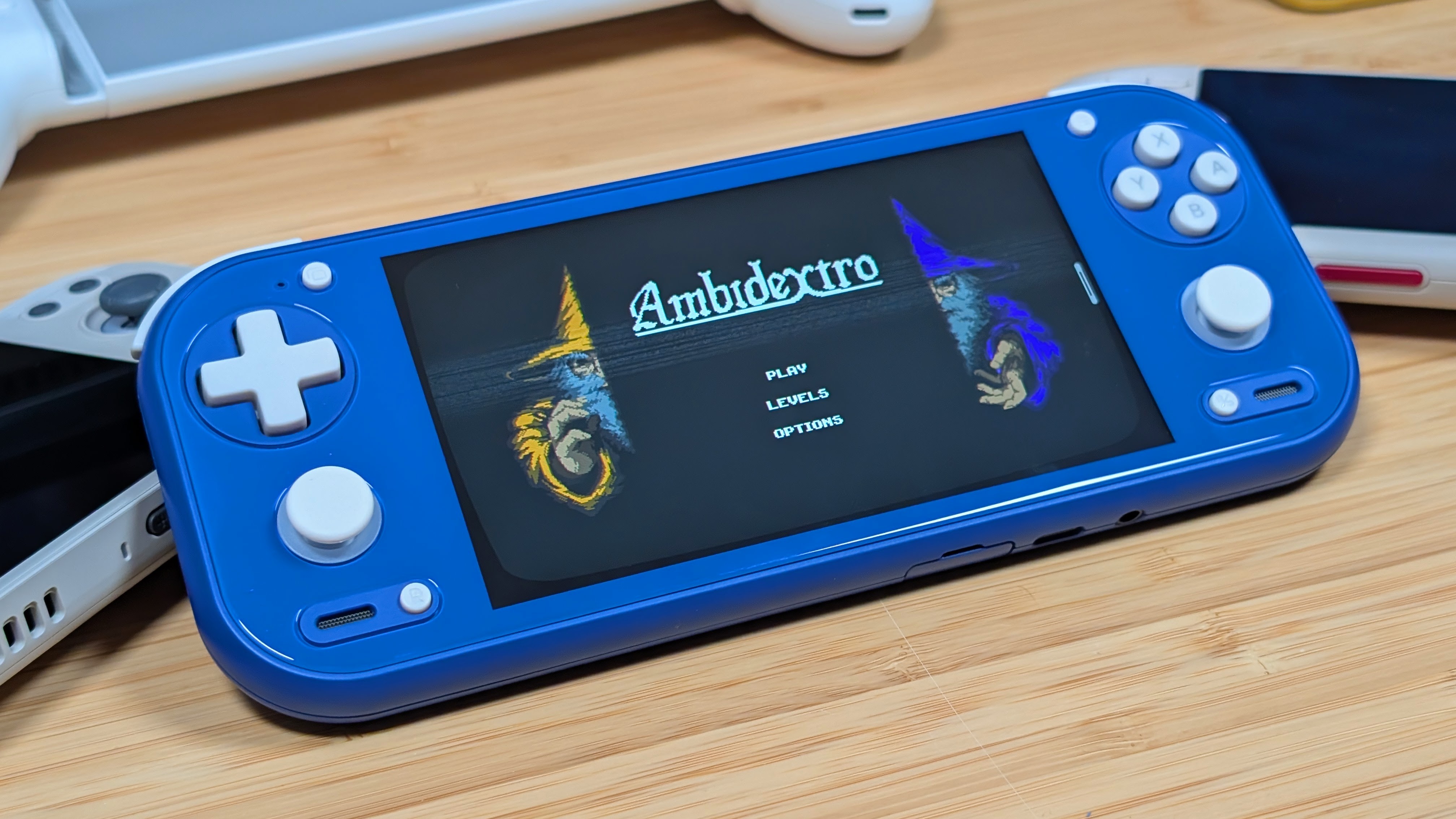
When it comes to specs and pricing, it really depends when and where you buy it. MSRP is $150 for the base model, and $165 for the higher end model. However, just like most Anbernic handhelds, you’ll easily see it on sale, with both the first 72 hour sale, and a recent AliExpress sale dropping the high end model to below $150 already. So really, it depends on what you’re looking for.
| Specifications | |
|---|---|
| Hardware | |
| CPU | Qualcomm Snapdragon G1 Gen 2 |
| GPU | Qualcomm Adreno A12 |
| RAM | 4GB LPDDR4X, 8GB LPDDR4X |
| Display | |
| Screen Size | 5.5-inch |
| Resolution | 1920 x 1080 |
| Aspect Ratio | 16:9 |
| Refresh Rate | 60Hz |
| PPI | 400.53 |
| Storage | |
| Internal Storage | 64GB, 128GB |
| External Storage | microSD |
| Battery | |
| Battery Capacity | 6000mAh |
| Est. Battery Life | 8 hours |
| Charging Speed | 5V/9V - 18W |
| Connectivity | |
| Wi-Fi | Wi-Fi 5 |
| Bluetooth | Bluetooth 5.0 |
| Ports | 3.5mm Audio Jack, microSD, USB-C |
| Controls | |
| Sticks | 2x, Hall Effect |
| Shoulder Layout | Stacked |
| D-Pad | Top Left |
| Audio | |
| Speakers | Stereo |
| Speaker Location | Front-facing |
| Headphone Jack | Yes |
| Physical | |
| Dimensions | 208 x 86 x 17mm |
| Weight | 339g |
| Form Factor | Horizontal |
| Software | |
| Operating System | Android |
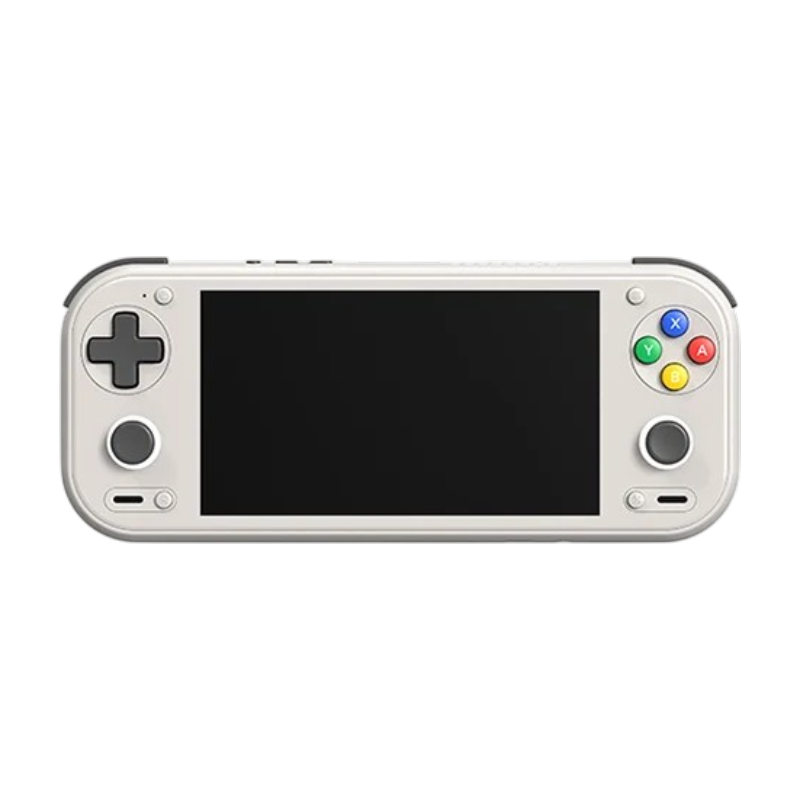
Build Quality & Ergonomics
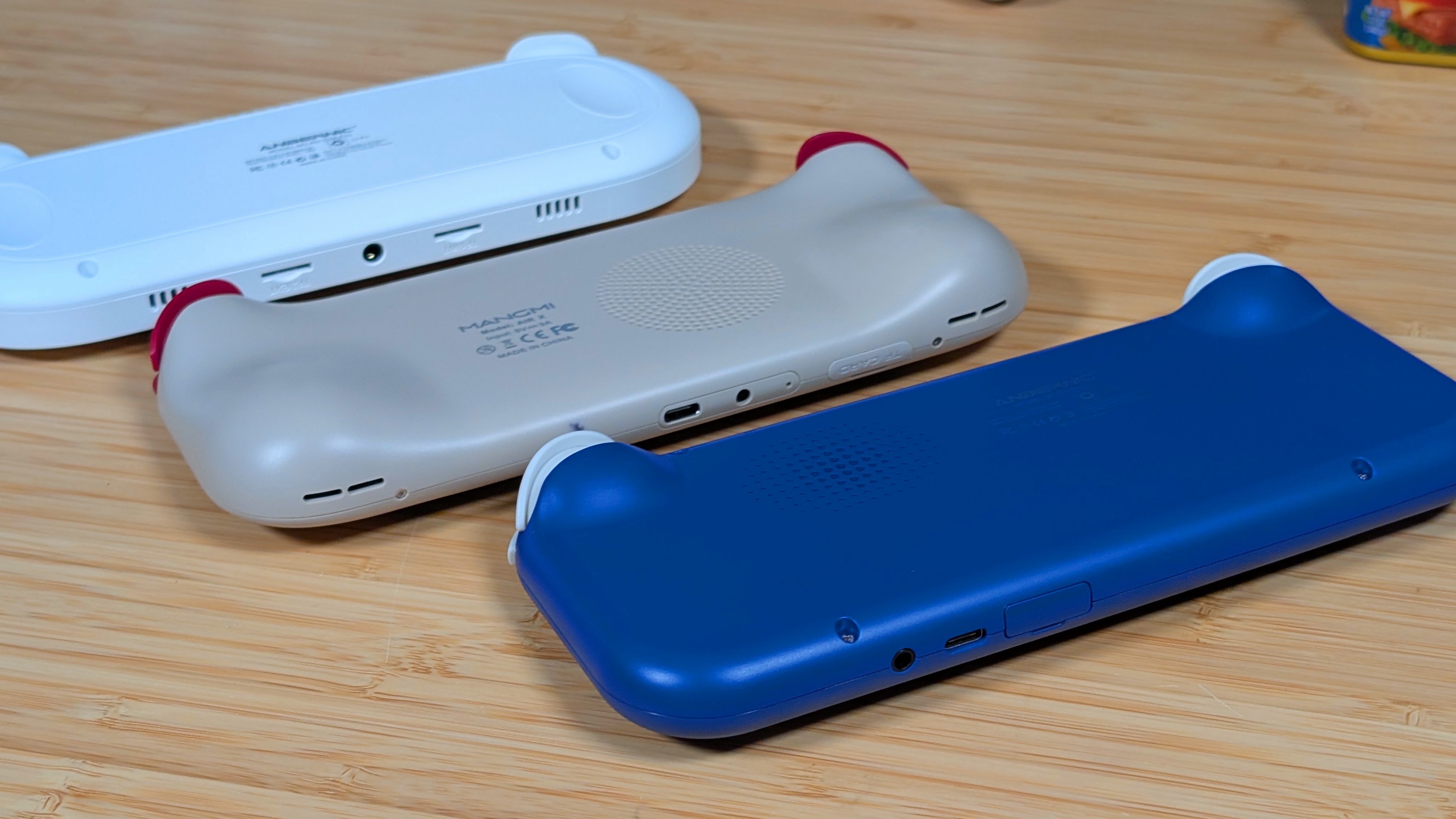
When it comes to the 55G1, the first thing I need to say is that it’s shockingly DENSE. At 340 grams, it outdoes a number of Anbernic’s handhelds, and comes within striking distance of the RG477M at 357 grams. Personally though, I feel like a lot of the weight comes from the utterly unnecessary glass front on the device.I get it helps hide bezels, but I really don’t care about that. Just save a bit of weight and cost, and just give us a plastic front again. Then I don’t have to worry about breaking it the first time I drop it by accident.
As for the rest of the device, the plastics are solid, they feel thick enough, and is textured enough to give grip without being smooth enough to collect mass amounts of smudges. The entire back where you’re going to grab the thing is flat. That means rather than have an ergonomic grip to grab onto, you’re just gonna have to dig your fingers into the back of it.
Personally, this reminds me most of the Retroid Pocket 4 Pro, a device that I genuinely did enjoy the ergonomics of despite being a flat bag as well. Your mileage may vary, but this is overall a really complete physical package. Minus the glass front.
Controls
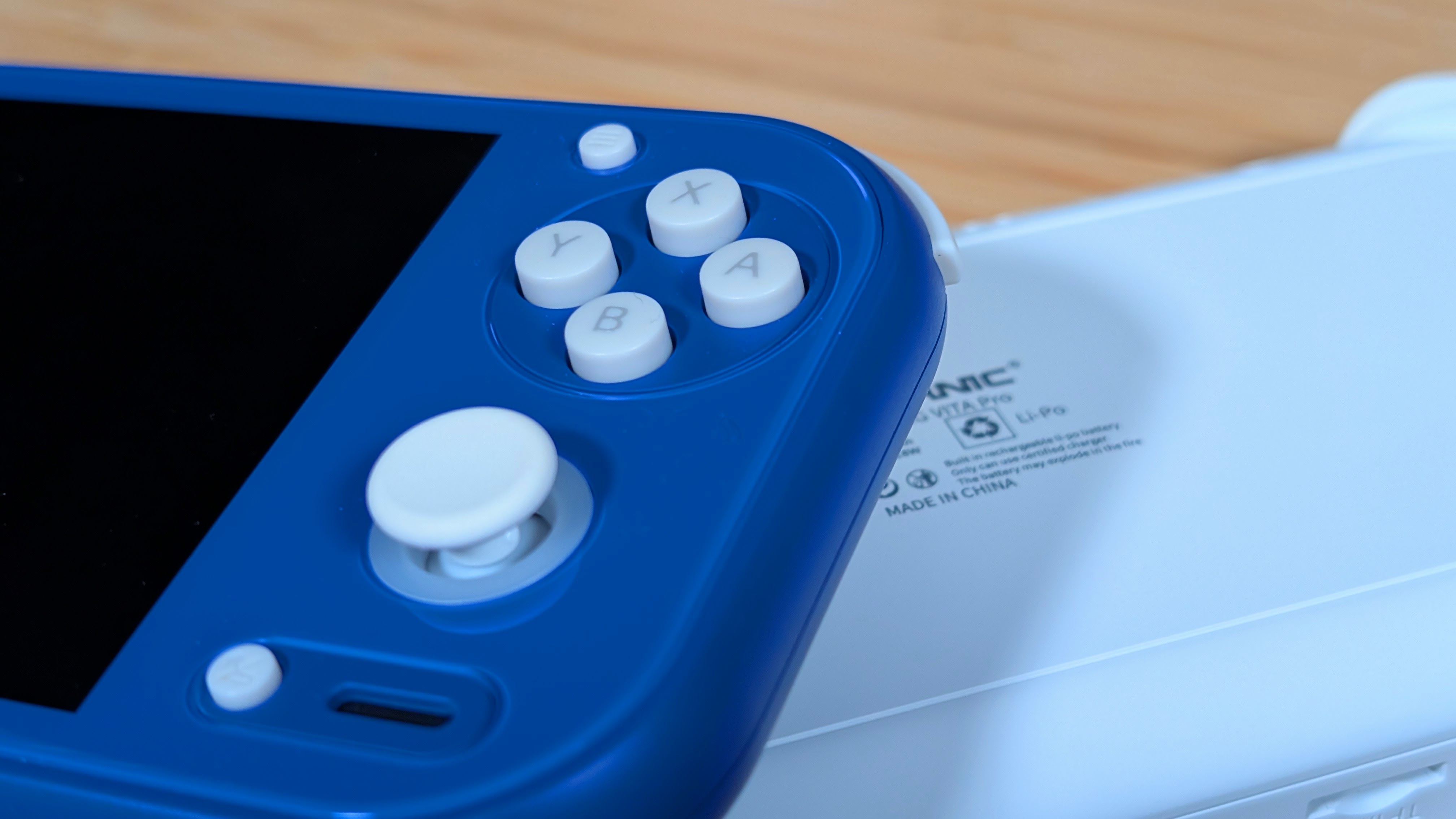
This is where things get a little bit awkward, with a number of give and takes. The sticks? Fantastic. They’re responsive, move well, and I haven’t noticed any issues with hitting diagonals on these things, but they’re low enough you really have to claw the device if you want to use the sticks for a long time, which can get tiring for me.
The shoulders? Nice and Clicky. The Triggers? They’re full analog, but they have a strange tighter tension than I’m used to from Anbernic. It’s far from the end of the world, but it will be harder to press down on these buttons compared to something like a Retroid Pocket 5.
The face buttons continue this trend with a bit more tension in them than I’m used to. I certainly prefer the buttons from my RG476H, or even the dreaded RG Vita Pro. And last up is the d-pad, and all I have to say is; what are we doing here? It’s completely smooth on top, no arrows, accents, or anything else to make it visually distinct.
The feel is similar to that of the RG Vita, and I wasn’t the biggest fan of it there. Anbernic had something good going with their D-pads on devices like the RG477M, and that’s something I wish they’d bring back. Nothing is inherently wrong with it, it just doesn’t feel the best.
Display
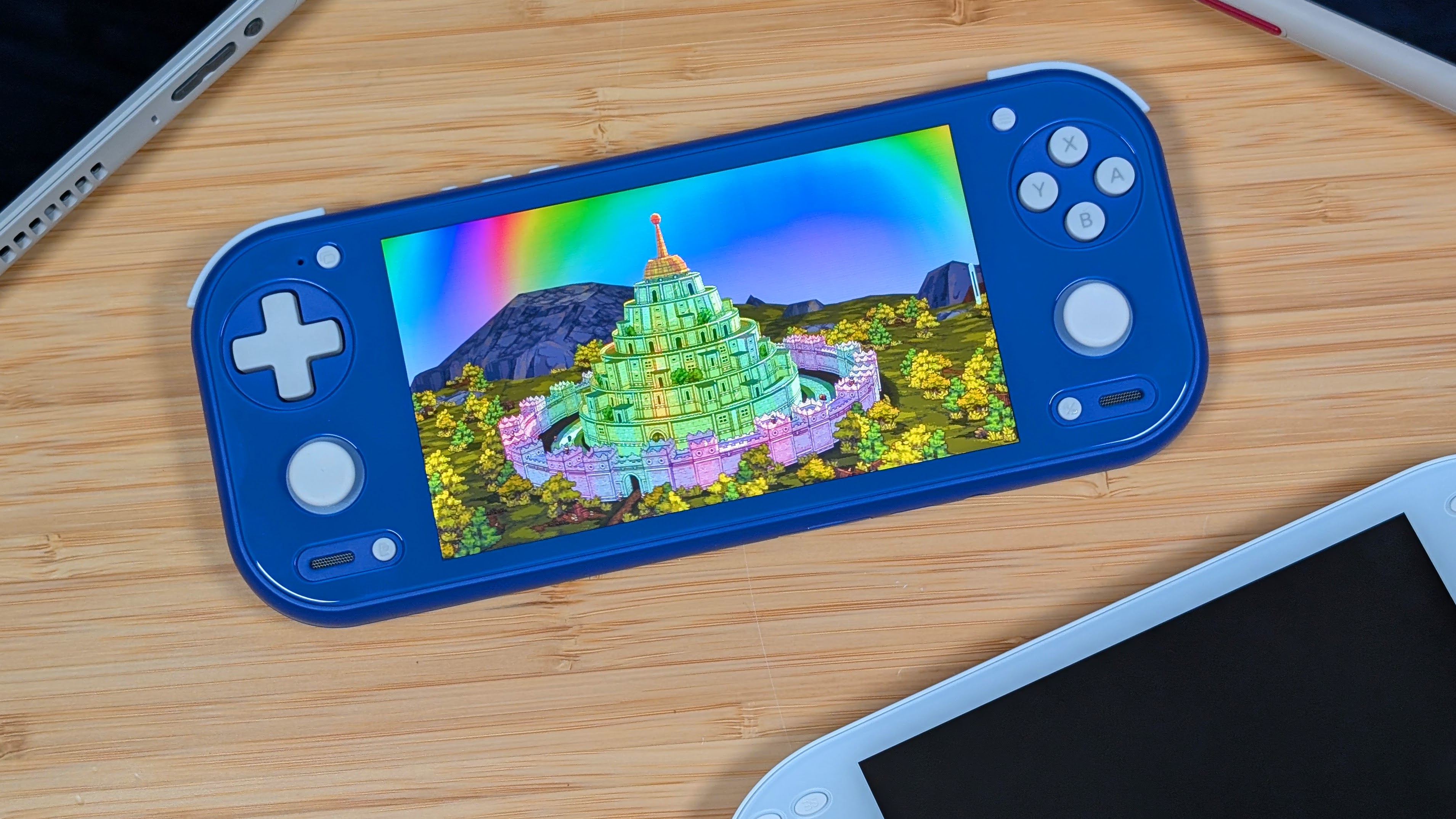
Speaking of not feeling the best, the display of the RG 55G1 isn’t perfect. It’s a solid 5.5”, 1080p panel. It gets bright enough indoor use, and even shaded outdoor use, but it seems to be missing a number of features. Some of which Anbernic has in some of their own other panels.
The main thing that seems to be missing is just a higher refresh rate. In the last year, a majority of Anbernic’s handhelds have featured a 120Hz panel whether that’s in their 47 screens, or their larger 5.5 inch panel. It’s not the end of the world for most people, but having the option for more smoothness in menu navigation, or even black frame insertion is nice.
The other thing just comes down to just not being an OLED panel. A lot of people are clamouring for that technology to get into more handhelds, so when Anbernic skips over, some are going to notice. That being said, I’m not too upset in this handheld for two reasons.
One: it’s still a really good IPS display, with vibrant colors and generally good brightness. Two: Anbernic kind of sucks with OLED. If this was the same panel as the RG556 and RG557, you would be seeing PWM flickering complaints instead of just actually enjoying the display. So while it’s not spectacular, it’s not the end of the world.
Thermals & Battery Life
I’m going to keep this brief because I overtalked the display. The 6,000mAh battery in the RG55G1 is actually pretty great. Lower end, lighter gameplay systems allow me to keep this thing going for a lot longer than I’d have originally expected, and as a whole, it’s one of the better parts of this device.
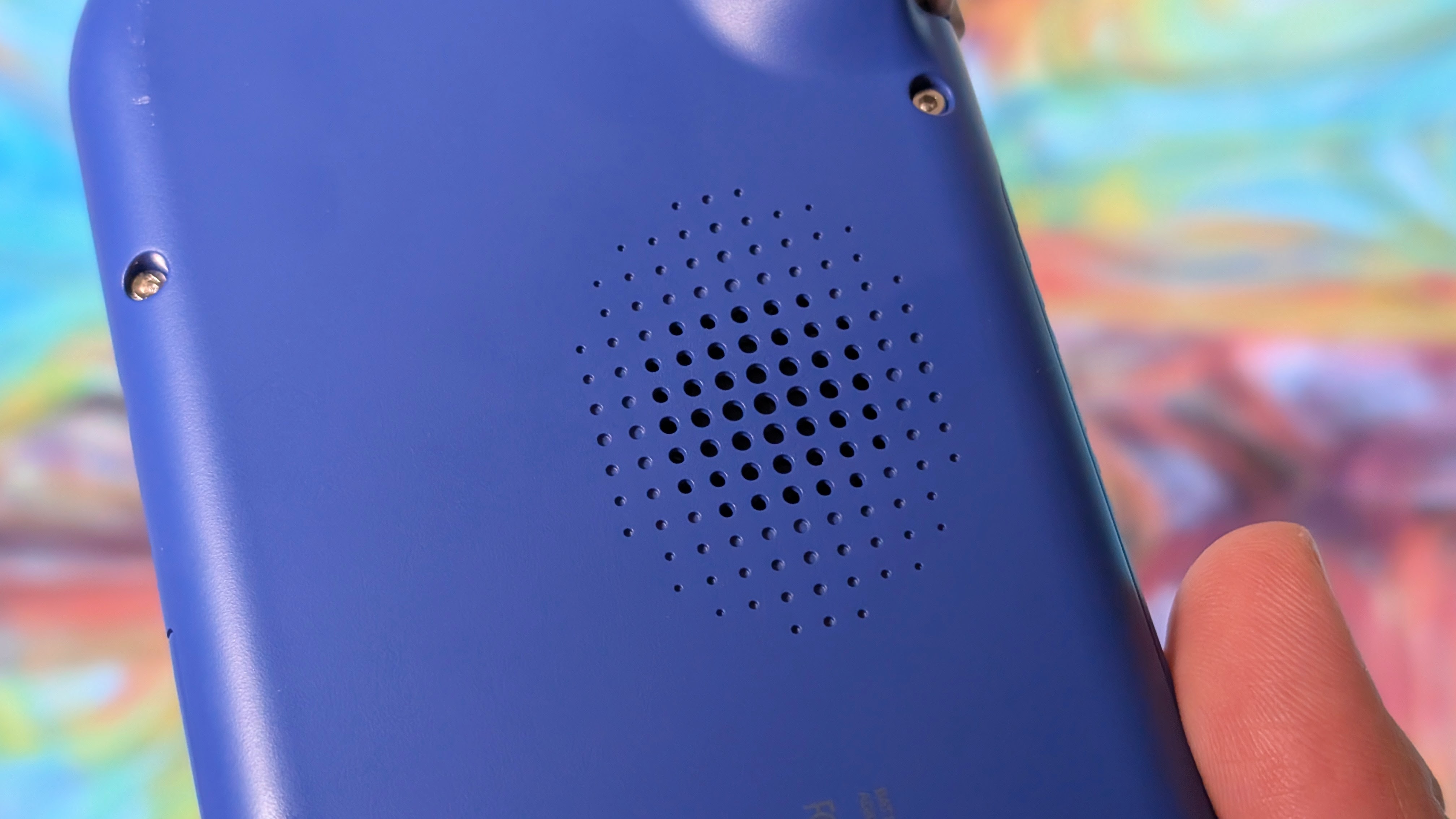
As for thermals, I never really noticed the G1 heating up enough to make a point to grab my infrared thermometer. But it may be help that, unlike something like the RG Vita Pro, this one has a fan to help keep it cool, and it was practically silent the entire time I used it. The fan on the 55G1 practically required me to hold the thing up towards my ear to hear it, and that was pretty consistent across my usage and Anbernics performance profiles.
Software
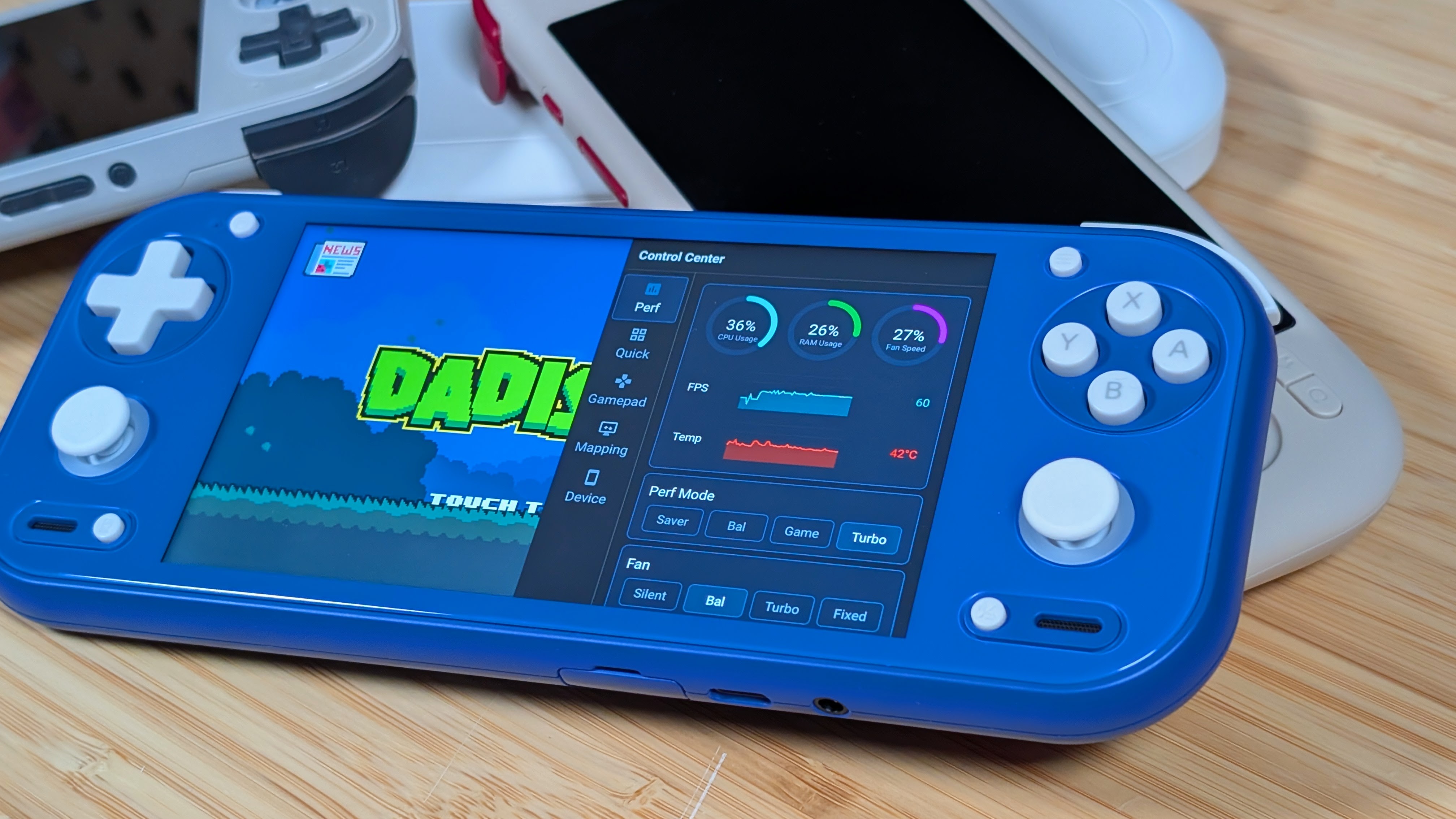
Anbernic has been making some pretty impressive strides towards improving the software on their Android devices since my last review on it. The RG Home is a full-featured frontend now that has way more in it than their older RG Launcher, with proper integration for Android apps, and new layout menus it likely could be someone's proper frontend going forward if they didn’t want to install anything else.
As for RG Control Center, they’ve finally caught up to everyone else in terms of having an overlay to manage performance, control mapping and more. The best part? If you don’t want it, you can turn it off in the stock drop down menu.
All that being said, there is still one issue I have with Anbernic’s software. The absolute mess of bloat that they pre-install every time and that I have to delete every time. I wish they took a Retroid approach and had a menu specifically for selecting which apps you’d like to download, and which you wouldn’t, because I would leave everything unchecked, as you really should.
Because I don’t plan on using NES.emu much outside of hitting “uninstall”, and Anbernic AI gets an immediate “disable app” from me as well. They’re fine inclusions, but just give us an option if we want them or not.
During the production of this article, it was brought to my attention that preliminary work for Rocknix on the RG 55G1 is being done. If this is the case, and it's coming, that seriously improves the viability of this as a handheld.
Performance
Here’s where things start to get a lot more awkward for the 55G1. While the handheld has a pretty solid CPU, the GPU is where it starts to fall flat, and that becomes a lot more apparent in the benchmarks. I’ve run my usual gamut of tests, and attempted to include Geekbench 7 as well.
That being said, GB7 was giving me a number of issues, so not only have I not included the Vulkan test, but three of the devices in my testing couldn’t even finish the OpenCL test. So while this will be included, I’ll have to revisit it in the future.
- Anbernic RG 55G1 (G1 Gen 2)
- Anbernic RG 476H (T820)
- KTR2 (D7300)
- GameMT EX8 (G99)
- Mangmi Air Y (SD 865)
- Mangmi Air X (SD 662)
Synthetics
When it comes to synthetics, you can see the 55G1 doing surprisingly well in the CPU. Passing over lower end options like the G99 and 662, passes the T820 nicely, and only falling behind the higher end chips in the Air Y and KTR2. Where things start to struggle is in literally any of the GPU tests. Across my spread of 6 devices, the only one that the 55G1 was able to best is the Mangmi Air X, a $100 handheld. Everything else cleared the G1 by a factor of 3 at least.
I want to note, specifically in the Vulkan test for Geekbench 6, that the 55G1 failed multiple portions of that test, which has resulted in the lowest score I’ve ever seen at just 52. When a test can’t be finished, Geekbench 6 doesn’t score it, which obviously caused this discrepancy. So the GPU is a bust, but how’s emulation?
Android Gaming
As a quick note for Android gaming, I don’t think you can really expect the most of the world out the Snapdragon G1 Gen 2. I was fine playing lightwerweight games. The Dadish series, even Dredge are good examples of those.
The Dadish Series, and Horizon Chase Turbo all seemed to work for me. But I had multiple games that just weren’t available for download anymore on this device, like Turnip Boy Commits Tax Evasion, and it’s likely due to just not being strong enough to play them, or just being on the wrong Android version.
Emulation
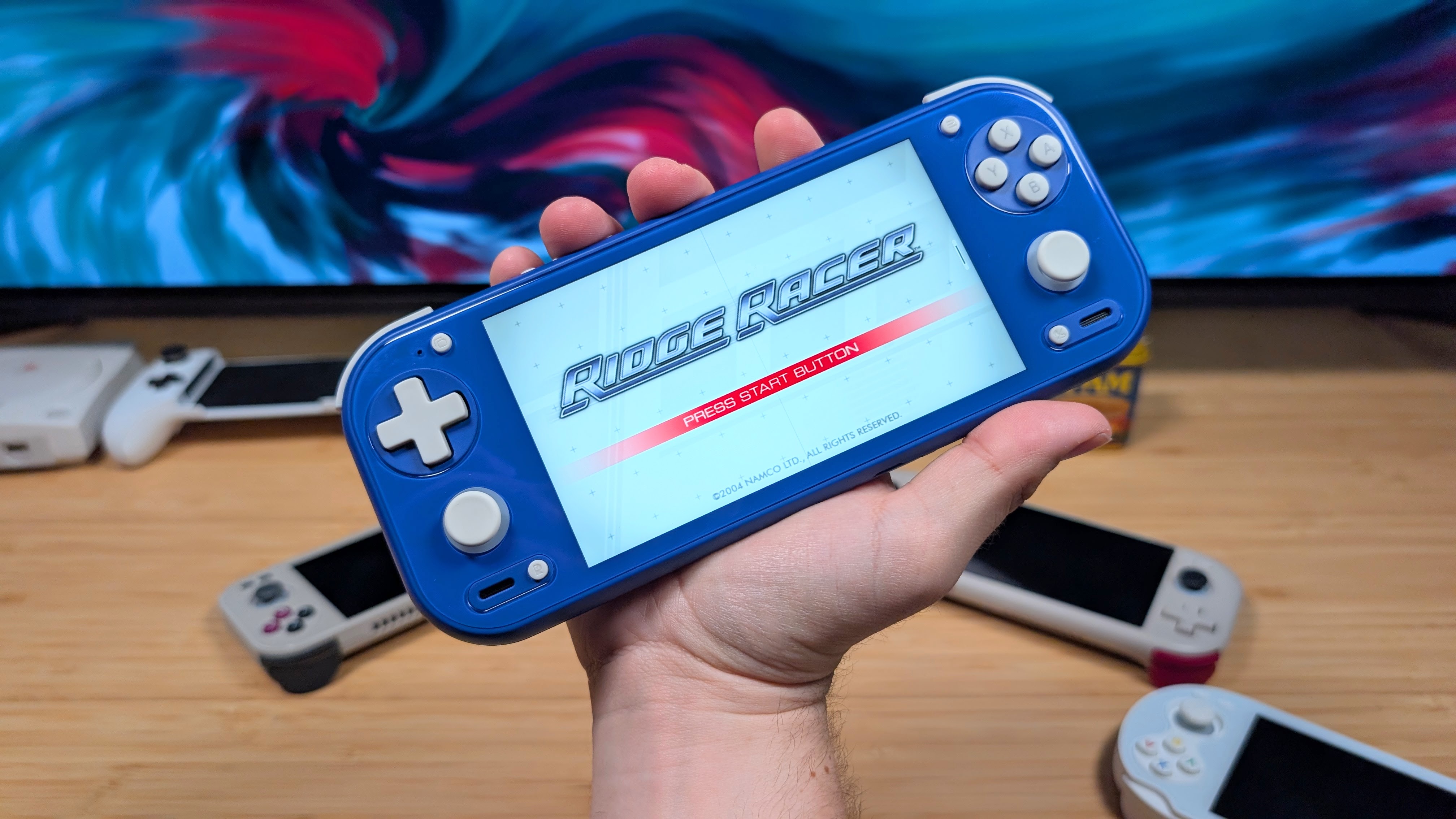
The 55G1 is a great 4:3 emulation handheld. If it was 4:3. Bog standard, out of the box, everything up through Dreamcast, PSP, Saturn and N64 ran with ease, for the most part if you want to upscale things you should find that you’ll have minimal to no issue with any of these systems. Honestly though, of that level of emulation, I found PSP to be the best purely because it takes up the entire screen, and with the dpad up top it feels like a giant PSP as well.
Going up a tier to Wii, PS2, and GameCube, I found that it manages most of the games to play fine at native resolution. If you wanted a more direct comparison on how it performs, I’d pretty well equate the performance to something like the T820 tier of handhelds. So if you have a 476H, you can likely expect similar performance, just on a 16:9 display instead.
And that’s where I’d put the cap of “playable without unending tinkering”. Nintendo Switch, Gamenative, Wii U, and all of those similar systems are practically imperfect at this point, and that simply comes down to the GPU being as weak as it is.
There have been some developments in terms of drivers though. Anbernic has their own custom ones, GameNative added A12 drivers, and more recently Gamma has been working on drivers for the G1 Gen 2 as well, but through testing, it’s just unimpressive to the point I’d recommend going elsewhere for these systems.
Final Thoughts
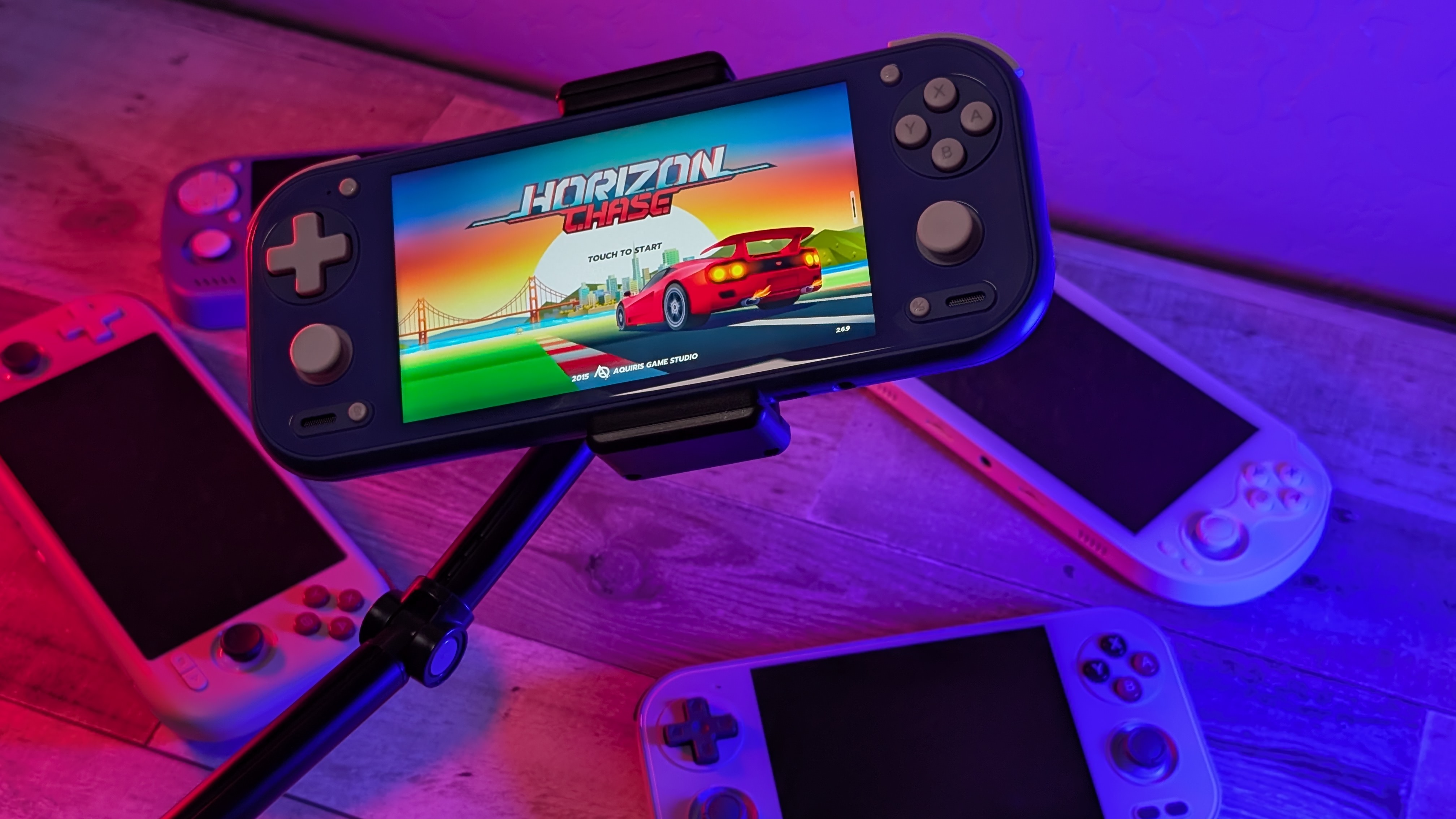
So what’s the conclusion? Anbernic has made their best PSP focused handheld to date. Personally speaking, if you only want PSP in a handheld, and you want it from Anbernic, I’d take this over either of the RG Vita releases. But if you’re looking for versatility, there’s a lot of other options.
From the $100 to $200 range you’ve got T820 based handhelds that perform better and have the aspect ratio built for 4:3 systems. You’ve got solid PSP contenders in the Mangmi Air X, and Retroid Pocket 5 (on an Aliexpress Sale) that feel better in hand, or in the case of the RP5, perform better.
And if you just want the best value, the Mangmi Air Y is hard to beat. Coming in at a similar price with a Snapdragon 865, the biggest concession is just the form factor.
Because of all of this the RG 55G1 falls into no mans land. It’s not a bad handheld. It’s built well, with a better Android build, and a lot more features than previous devices. But its performance is so underwhelming that its GPU is being beat by most of its contemporaries.
I really hope this is the step in the door Anbernic needs to get better, more powerful Qualcomm chips. Because this is a really strong base of a handheld. We just need more performance.
