

Having to constantly acknowledge the ongoing components shortages and ever-increasing MSRPs around every product in technology is frankly exhausting as a writer. The trouble is, how can you possibly avoid it when it impacts everything?
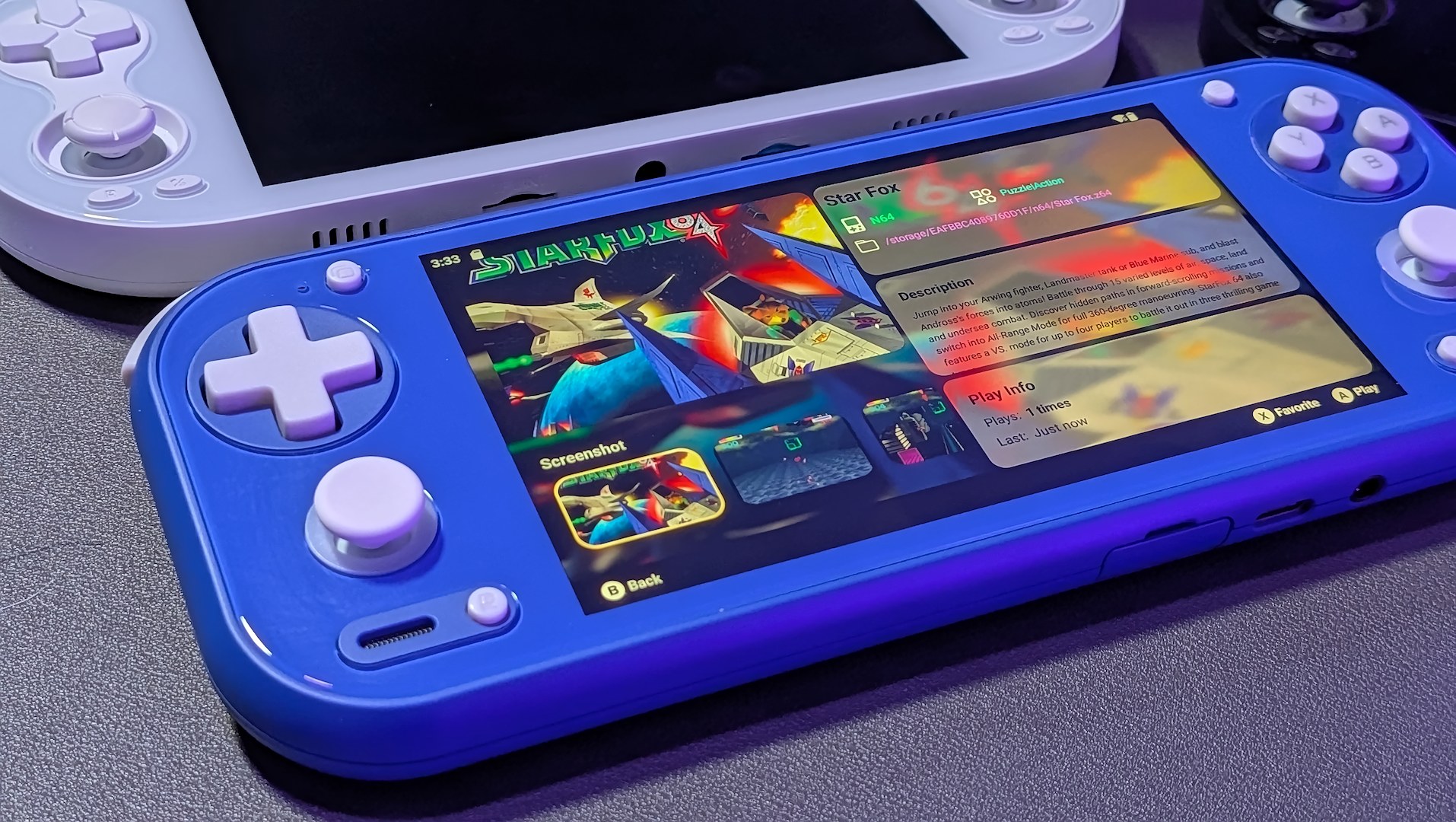
And that’s the trouble with the Anbernic RG 55G1. This is a well-designed, comfortable, beautiful handheld, with a processor that makes it a confusing addition to Anbernic’s product lineup, but we live in confusing times…
Anbernic RG 55G1 Specs
| Hardware | |
| CPU | Snapdragon G1 Gen 2 |
|---|---|
| GPU | Adreno A12 |
| RAM | 4GB/8GB LPDDR4X |
| Internal Storage | 64GB/128GB |
| Software | |
| OS | Android 14 |
| Display | |
| Screen | 5.5-inch |
| Resolution | 1920 x 1080 |
| Physical | |
| Weight | 340g (per my postal scale) |
| Size | 208 x 86 x 17 mm |
| Connectivity | |
| Wireless | Wi-Fi 5, Bluetooth 5.0 |
| Battery | |
| Size | 4000mAh |
| Audio | |
| Speakers | Dual Front-firing speakers |
Feel
At 340g, the 55G1 has a nice heft to it. Enough that I was a little surprised when I first took it out of the box. When you’re me and used to regularly testing hollow-shelled budget clone systems, it’s actually quite refreshing. The weight feels like quality, even if most of it comes from the glass bezel on the front of the handheld.
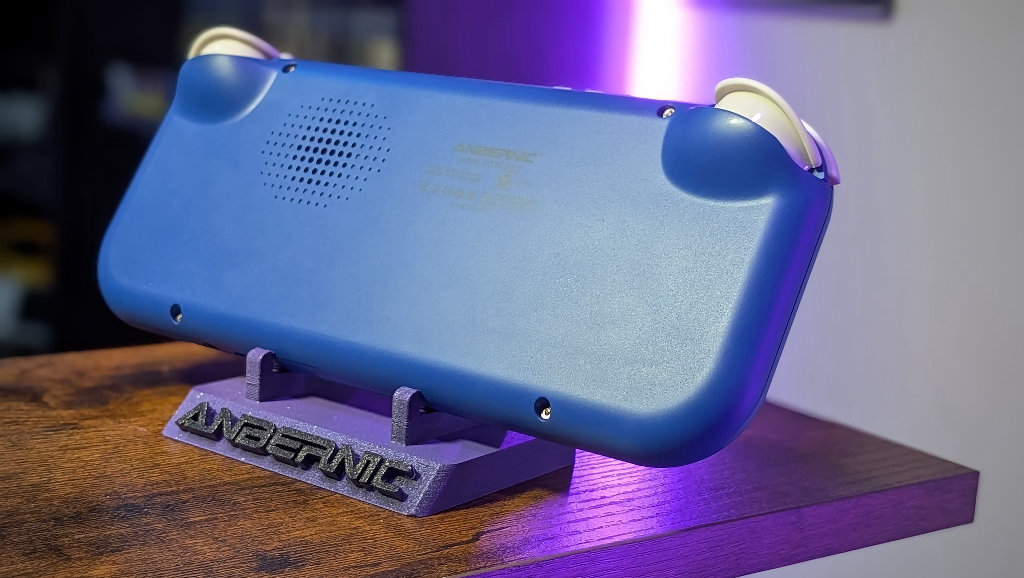
The unit is 95% flat-backed, with the only curves created by the upper bump-outs to make room for the included Hall Effect triggers. Some folks might prefer this with a curvier case, but I’ve really been enjoying holding it as is.
Controls
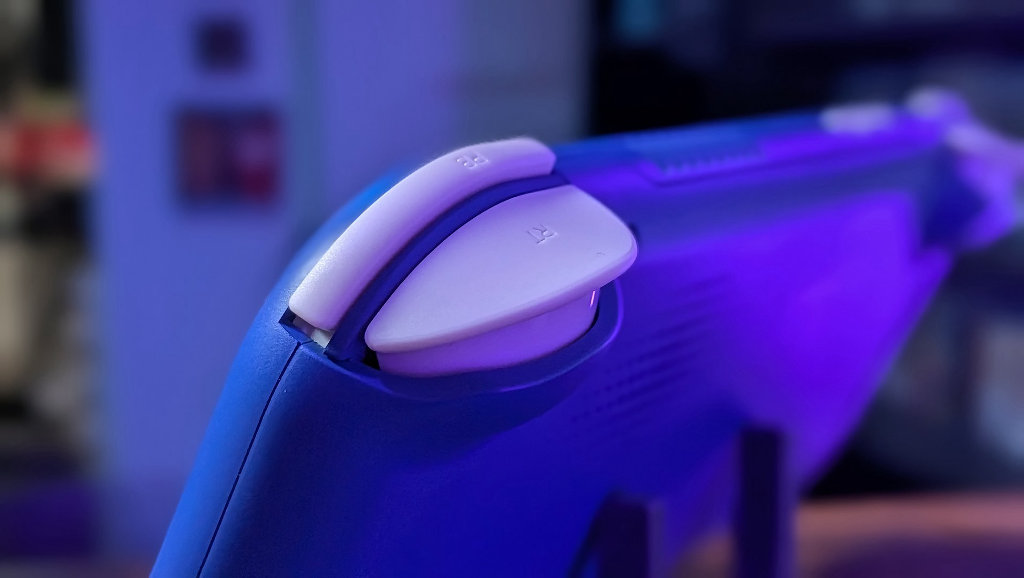
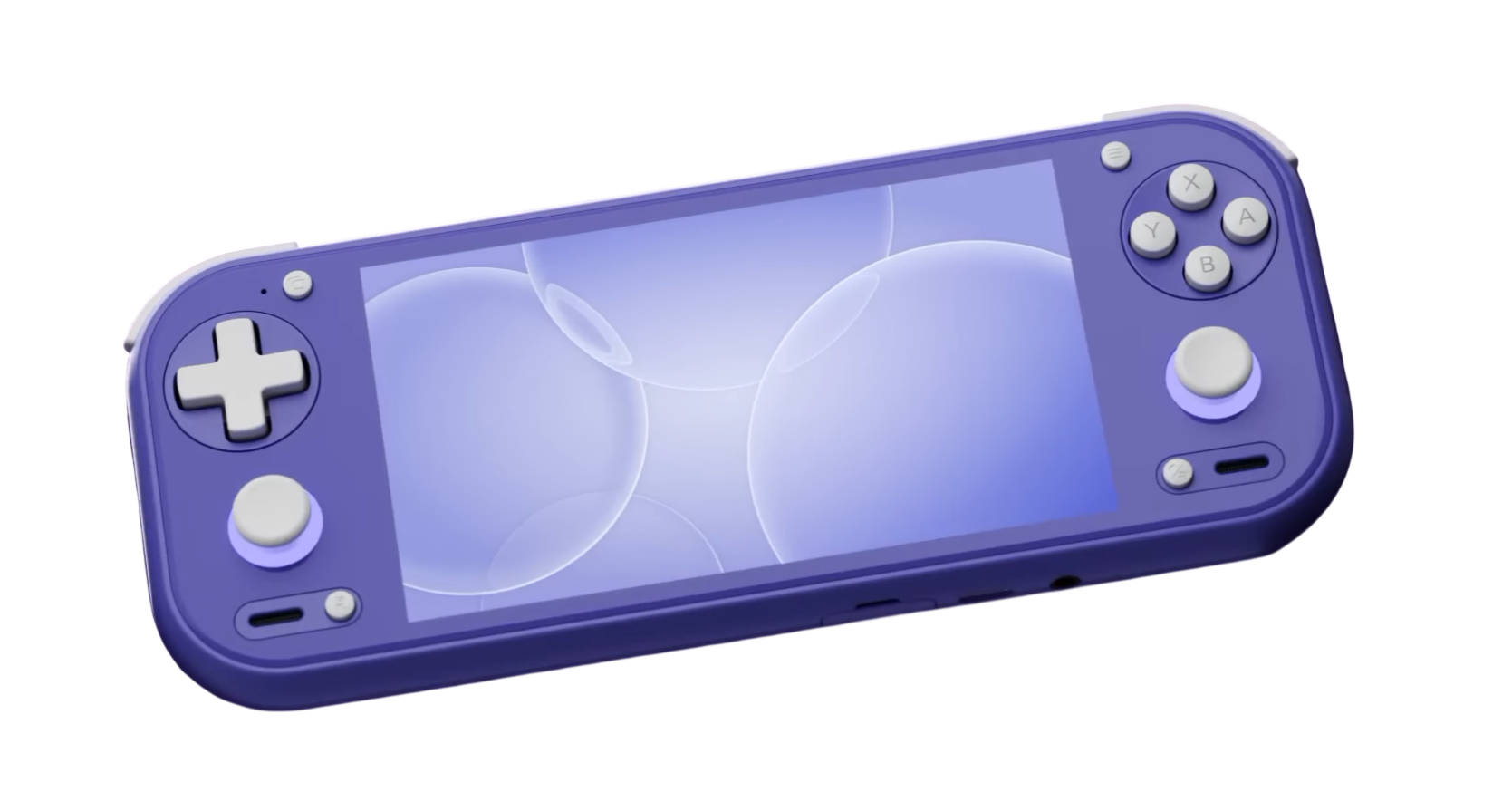
Even though the RG 55G1 is clearly modeled after the Nintendo Switch Lite, it ups the ante a bit with the inclusion of hall-effect analog triggers. Switch owners never got this luxury, and I have to say that it’s a wonderful addition.
Analog sticks are fine as-is, but Anbernic have thoughtfully made the stick caps removable, allowing the bigger-thumbed among us to swap them out for something a little meatier. This might sound like a minor feature, but it was a major gripe back when the RG557 first launched.
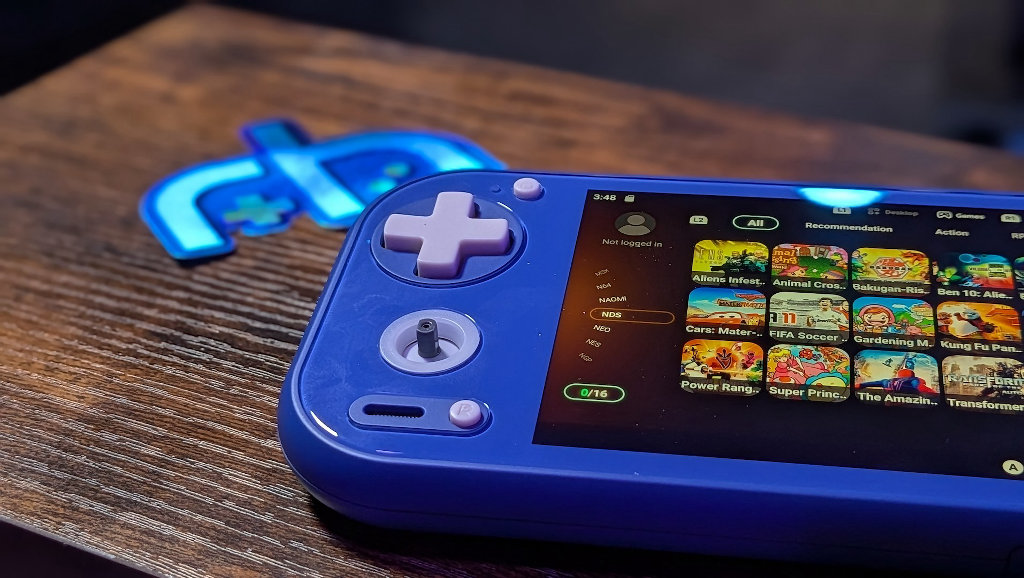
The D-pad is solid, with a good amount of travel without feeling loose. Same goes for the face buttons. Actually, if there’s one thing that strikes me the most about the controls on the 55G1, it’d be how quiet everything is. This is a device that seems almost purpose-built to be a bit stealthy.
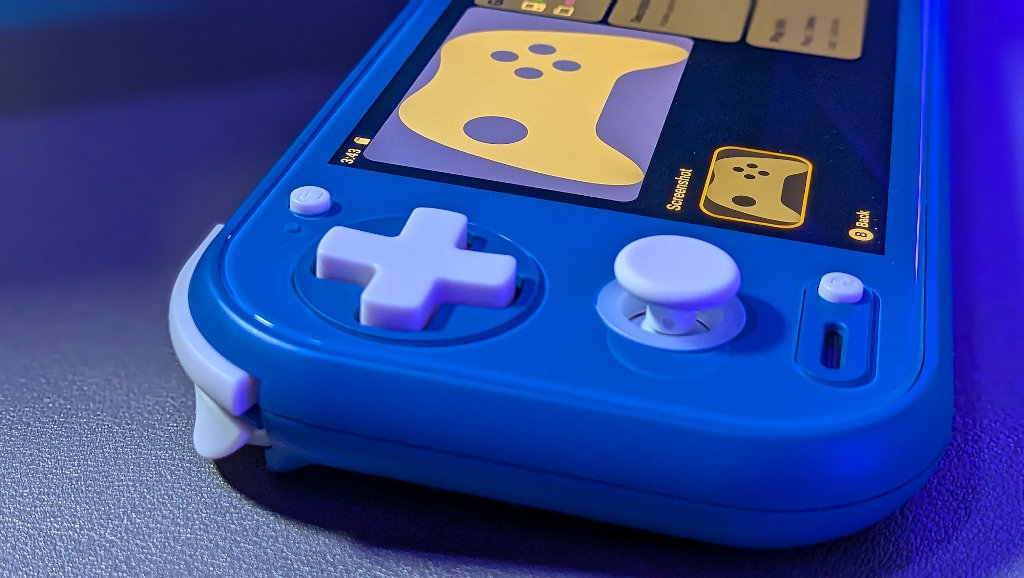
You might have to turn down the screen brightness a bit, and certainly tamp down the included vibration motors, but there’s nothing in the control package that should wake up someone in the bed next to you. It all strikes me as very thoughtful design.
Display
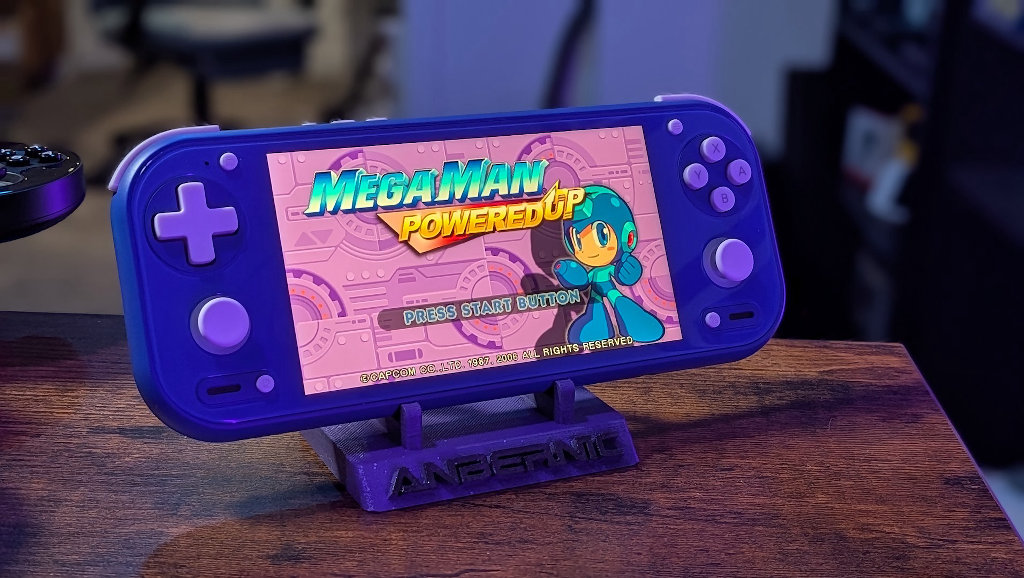
This screen is excellent. I know that it’s not an OLED, but if you’d lied to me and told me it was, I’d have probably believed you. The screen gets extremely bright, the 1080 resolution looks crisp, and colors pop in a way that makes blacks appear legitimately deep.
The display is unfortunately hampered by the G1 Gen 2’s chip once you get into emulation on systems like PS2. The crisp 1080 display gets muddied by the low-res output of the chipset. It’s the dichotomy of this device.
The Price Elephant In The Room
Consumers who view PC component prices as an unfortunate pill they have to swallow due to outside market forces, often seem less likely to extend the same grace to a retro handheld. And look, I get it. It’s tough to look at a new SKU that’s actually less capable than devices that came before it, and possibly at a higher price, but no manufacturers are insulated from this market.
I’d rather highlight what the RG 55G1 does well as delivered, not opine about what I wish it had been. Reality doesn’t care about what i’d like to have given my druthers. Anbernic are likely treading water the best they can with the components that they can actually source. We can’t view prices through the same lens that we did 18 months ago. Things aren’t the same.
I think given the current hardware tax, but the use of and older SoC, I’d like to see Anbernic retail this for somewhere in the range of $130. I think there’s value in that price. A device like the Mangmi Air X can still be had for $99, but it’s also slightly less capable than the 55G1.
If you’re willing to pay a slight premium to get comfortably into the PS2 and GameCube world, albeit at a lower resolution than you might like, than it might be worth the cost for you. Any higher than that and I’d have to start questioning things.
Performance
The choice to use the Snapdragon G1 perplexed a lot of people. My hypothesis was that Qualcomm had too many of these lying around with nothing to use them for, and Anbernic could acquire them at a good price as a gesture of goodwill for future business relationships. Either way, here we are. This is a low-mid-tier chip, and the handheld sits in a weird middle ground because of it.
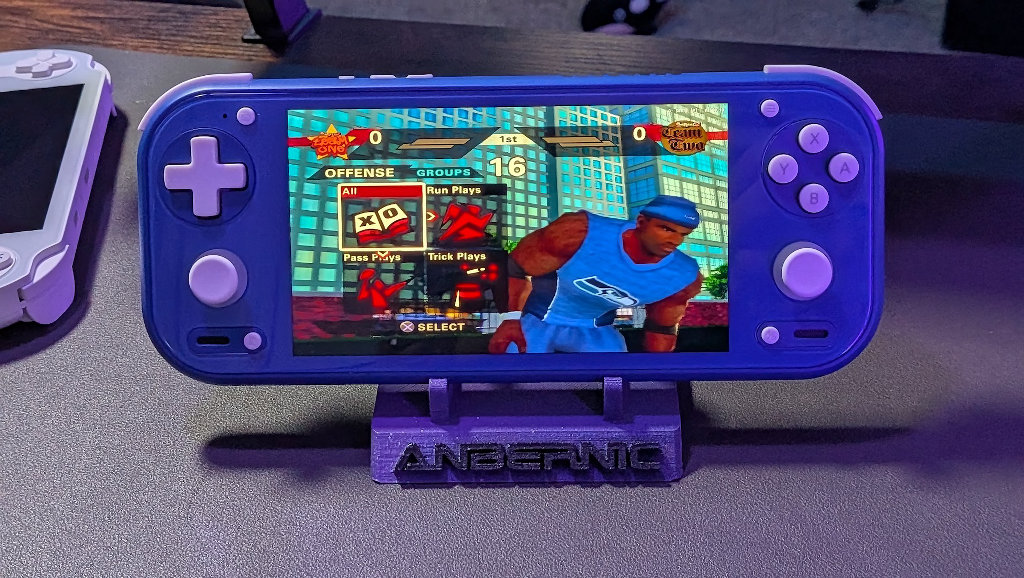
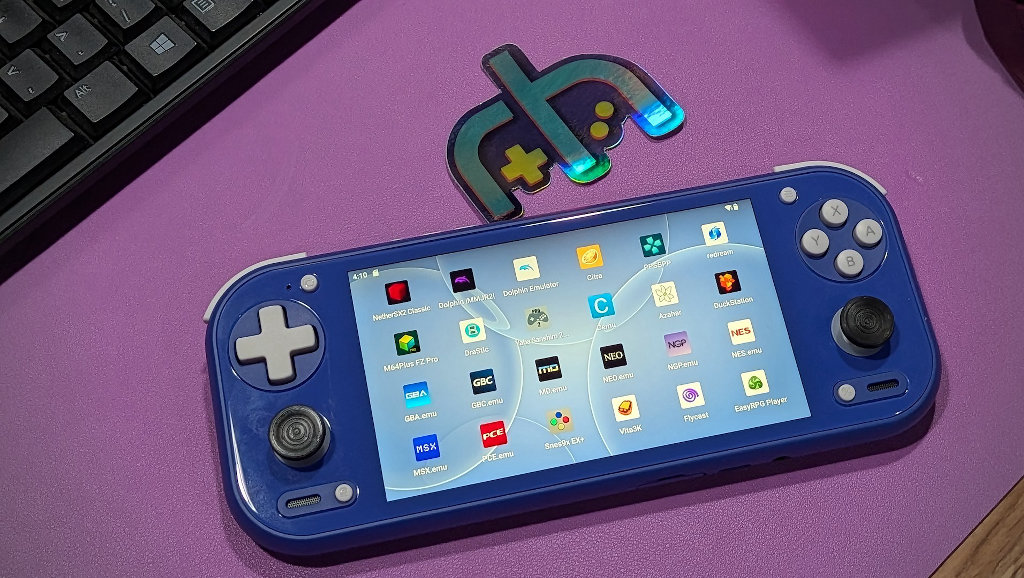
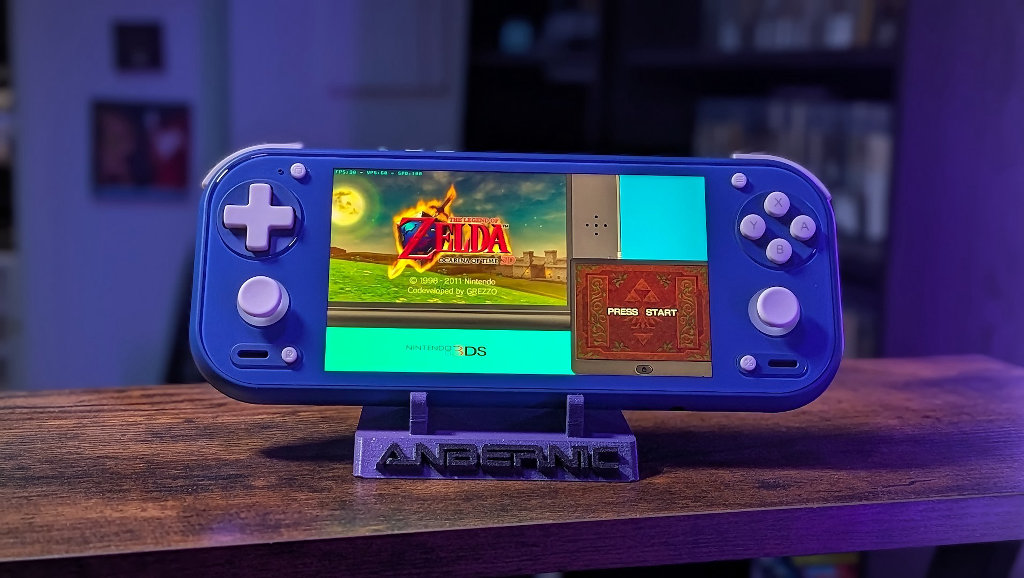
Systems like Dreamcast, PSP, and N64 all looked great upscaled on the 55G1’s screen, and 3DS emulation is very much on the table. PS2/GC will cap out at about 1.5x native resolution without stuttering too much. This handheld will get you access to those libraries, but it will be a question of whether it’s worth doing so at this resolution, or spending more on a more capable system.
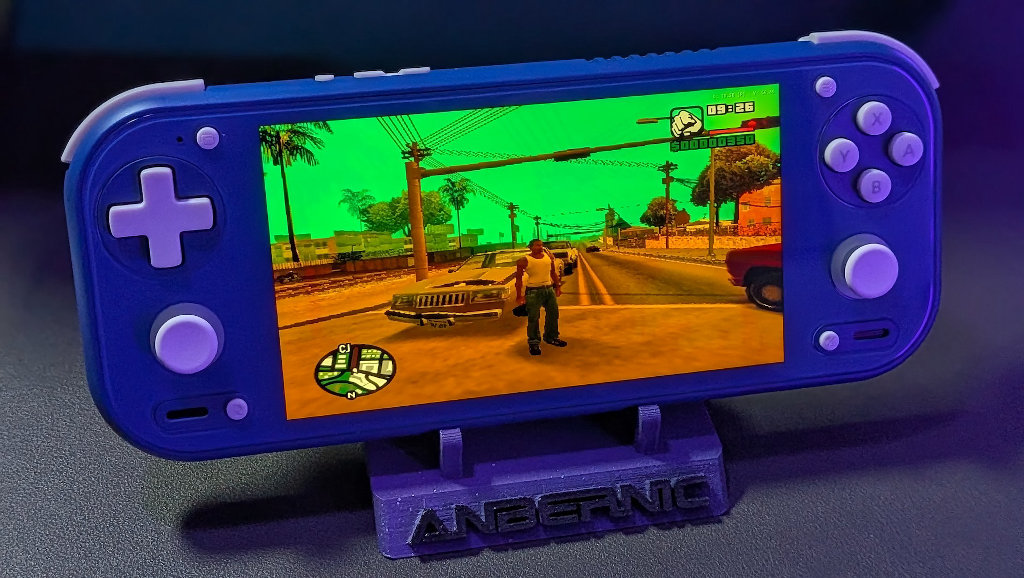
There are 4GB and 8GB RAM options, which is nice, but given the processor, I actually question whether we need the 8GB. PS2 RAM usage was hovering around 35-40% even on heavier titles. Unless you’re doing some heavy lifting in Android gaming, the 4GB model should probably cover most bases.
Presentation
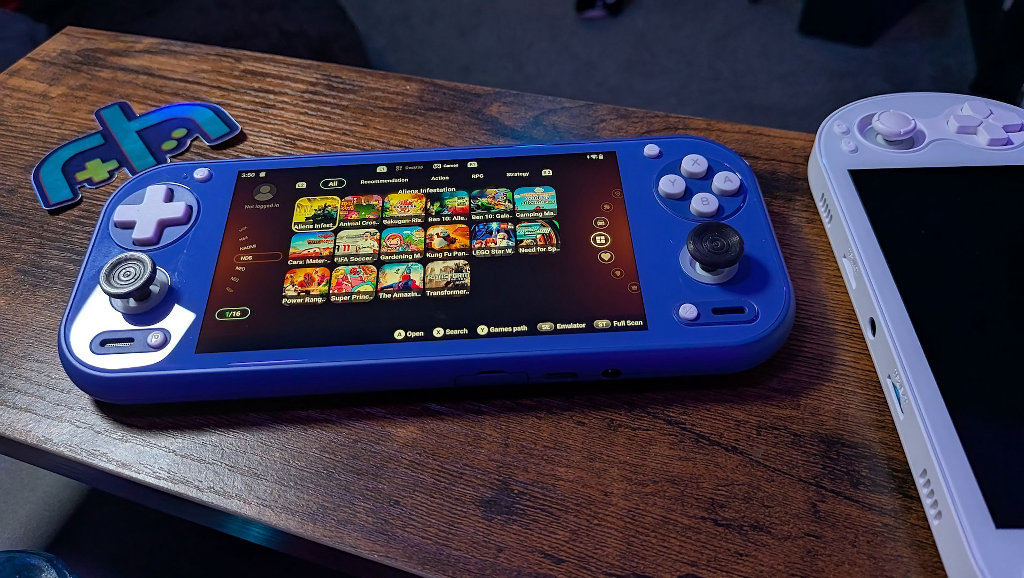
Anbernic deserves some flowers for their work on the RG Home launcher. This is a serious step up in presentation. The wheel navigation works well here, and the customizeable system views look great. Additions like multiple screenshots, fanart, and game details/descriptions are all welcome offerings. Good work Anbernic.
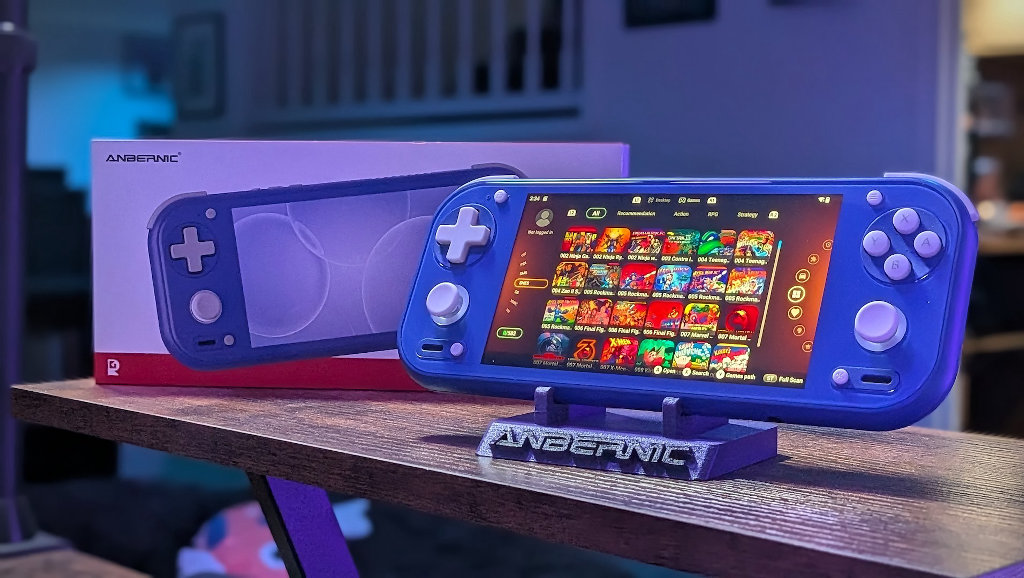
With that praise does come a light gripe. You can’t make these strides in OS presentation and still include some frankly lazy ROMsets on an SD card that’s packed in with your handheld. You’re already including ROMs that you don’t have the licenses to distribute, so at least have the decency to clean up the file names.
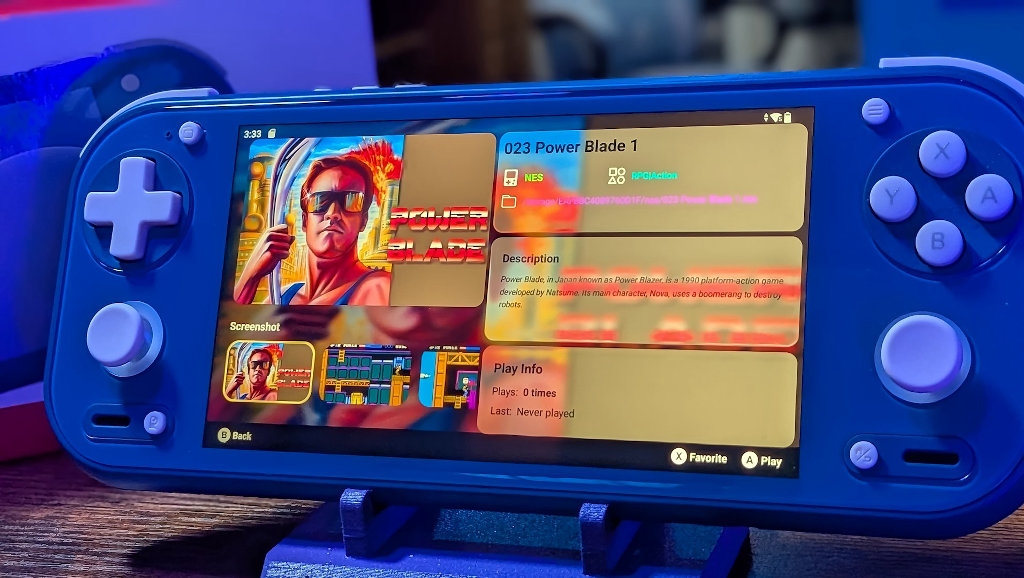
Alphabetical organization is all I ask. No more “005 Zelda” naming conventions. And on that note, be a little more careful with what you choose for each device. Kirby’s Rainbow Road for Wii U was part of the included SD card package, so I ran it. Not something you’d want to highlight the device with unless you’ve always dreamed of Wii U Kirby in slo-mo.
TL/DR
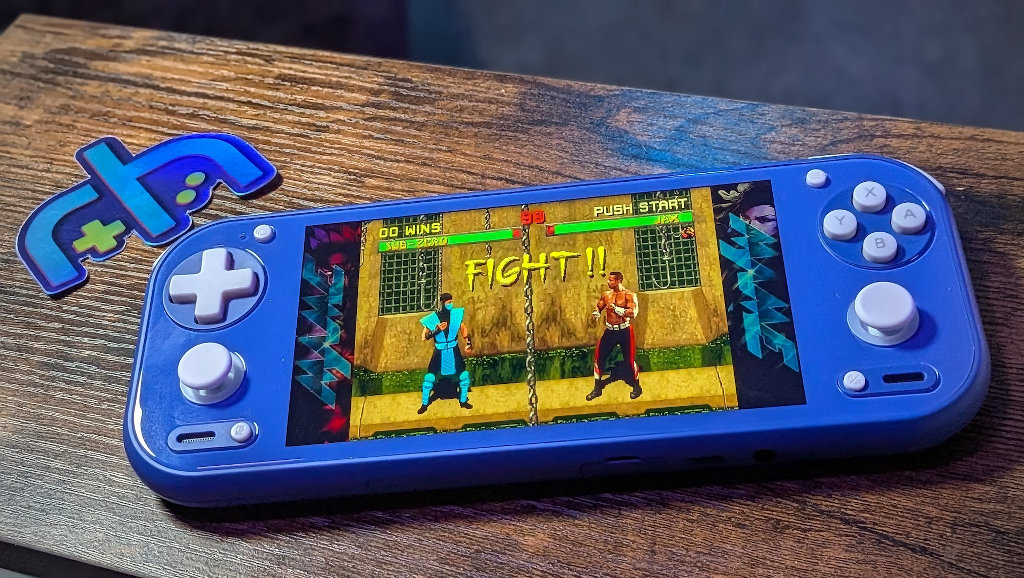
Is the RG 55G1 a good device? Yes. Whether it will be worth adding to your own handheld collection will depend entirely on what other devices you already own, and perhaps most importantly, price. This is a is a good device that strikes me as the most “end of summer” release ever. A great upscaled PSP/Dreamcast/N64 machine with a screen that deserves better than the SoC’s native PS2 output capabilities.
Additional options like GammaOS should show up eventually, and Anbernic are supposedly working on some custom driver packages for the G1, so I remain hopeful that there is still room to squeeze a little more out of this chipset. Keep your eyes here for our upcoming full review.
