

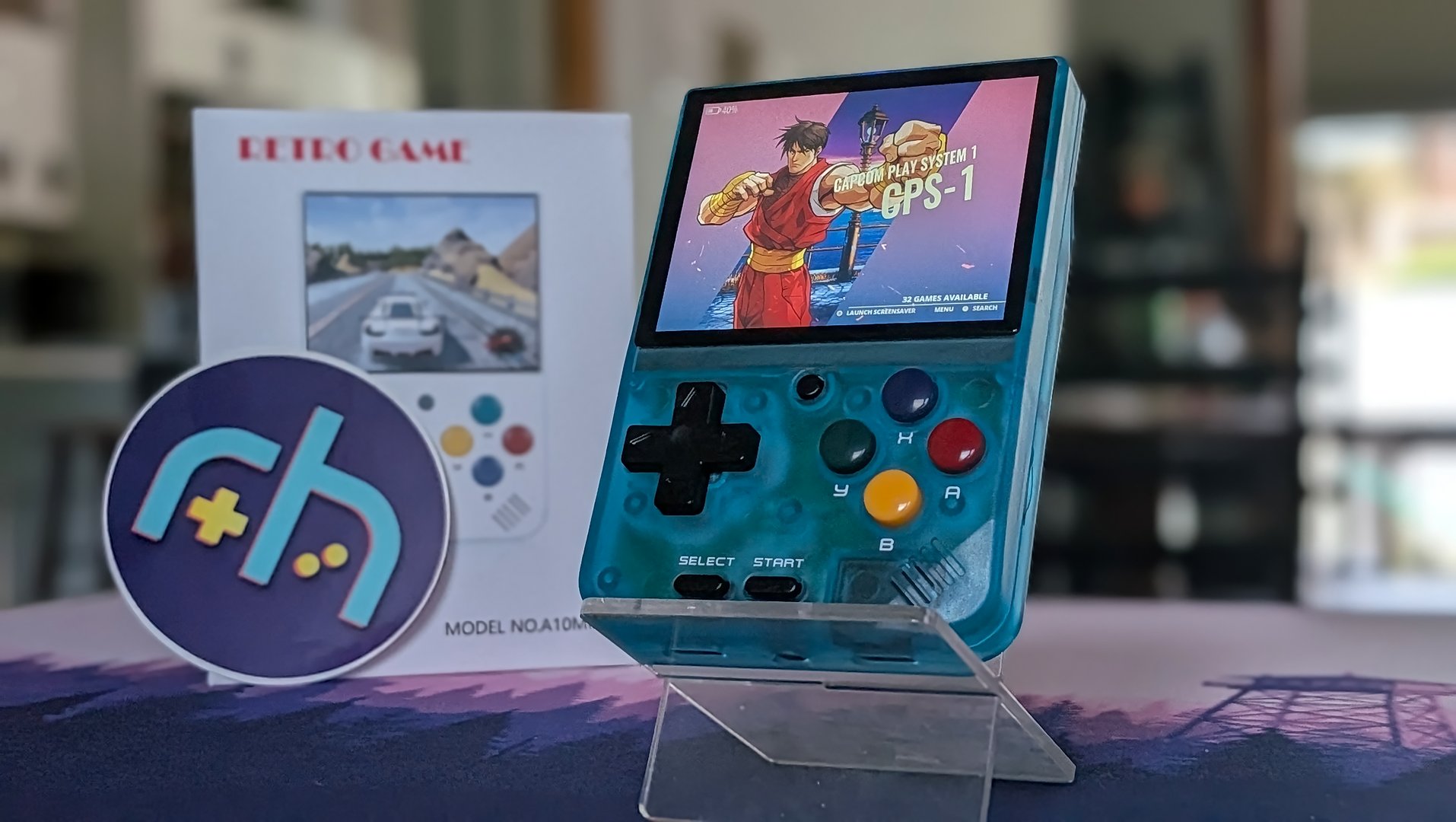
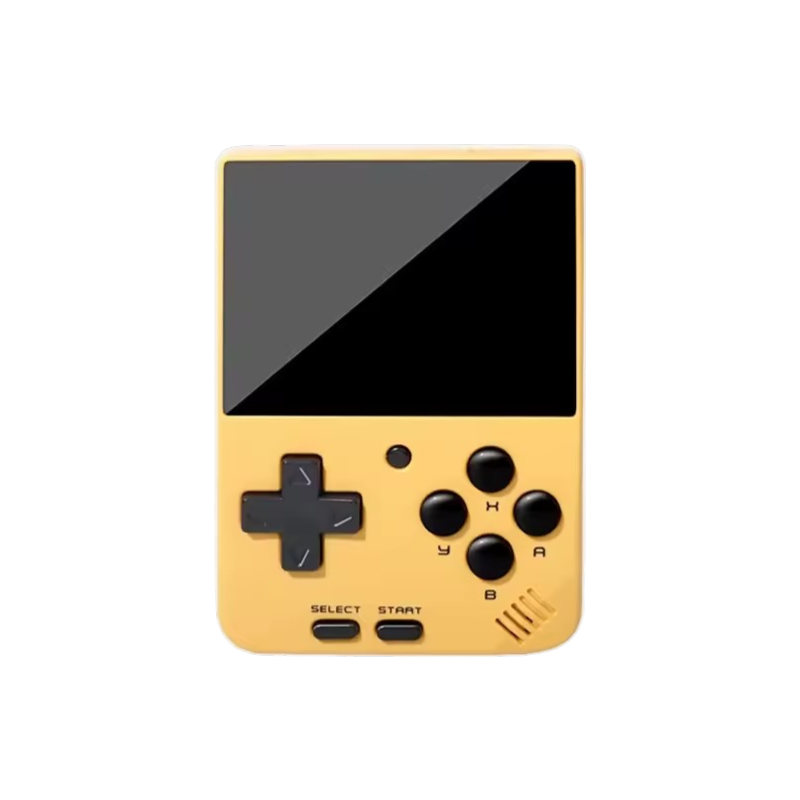
One look at the A10 Mini and I think anyone who has been around the handheld block will immediately clock what they were going for. This design is more or less a 1:1 clone of the Miyoo Mini. As the original supply of Miyoo Minis dries up (there are only so many old Blackberry panels to go around), the A10 is here to fill the gap in the market that it leaves behind.
So does the A10 make up for the inability to still buy a new Miyoo Mini? Or are you better off searching for a used unit somewhere like the RH Marketplace? The A10 does a noble job recreating one of the biggest devices in the short history of emulation handhelds.
In fact, along with some beefier internal specs, there are a few small spots where I think it even fixes some annoyances with the original design. Unfortunately, it comes with some classic clone compromises too.
Disclosure:
This product was purchased with our own money and was not sent to us by the company. Affiliate links might be present where applicable, and we may earn a commission on product purchases using those links at no extra cost to you.
A10 Mini Specs
Reports from RH users suggest there may be multiple versions of the A10 Mini currently being sold. Whether these are hardware revisions from one manufacturer, or multiple different clones remains to be seen.
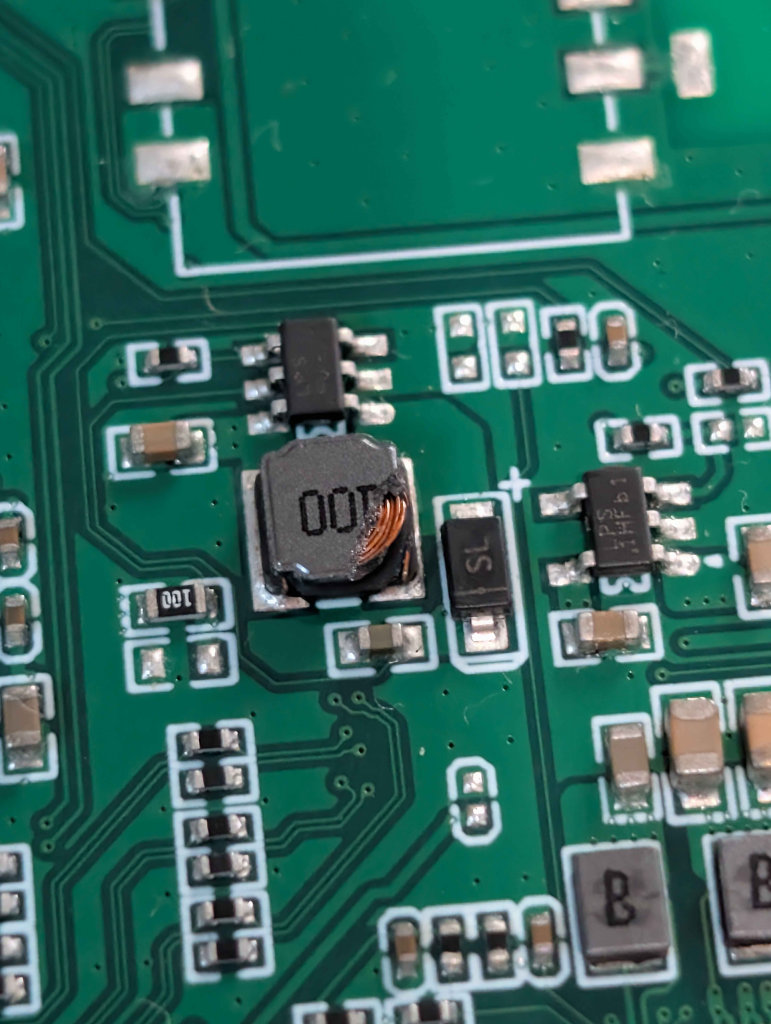
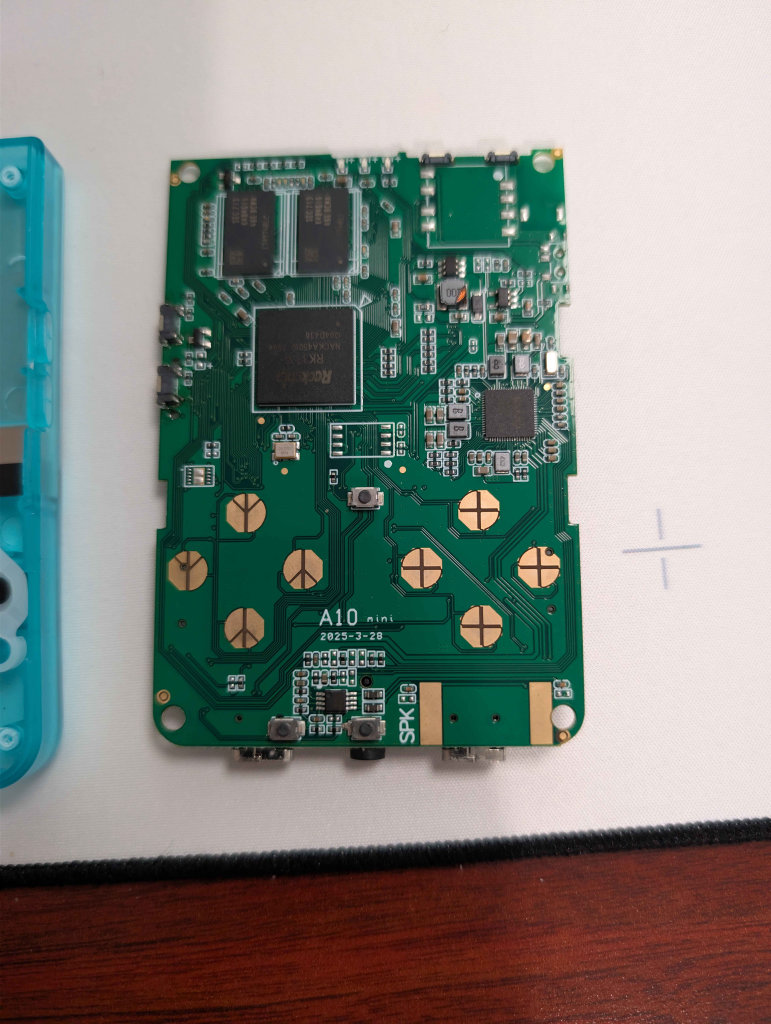
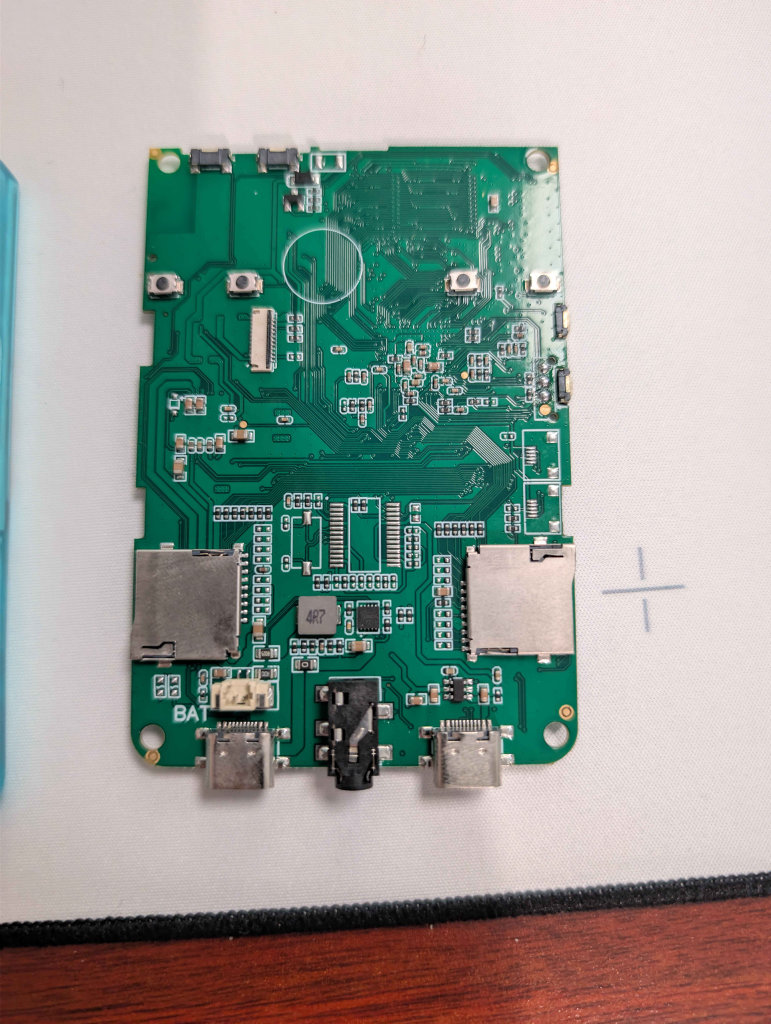
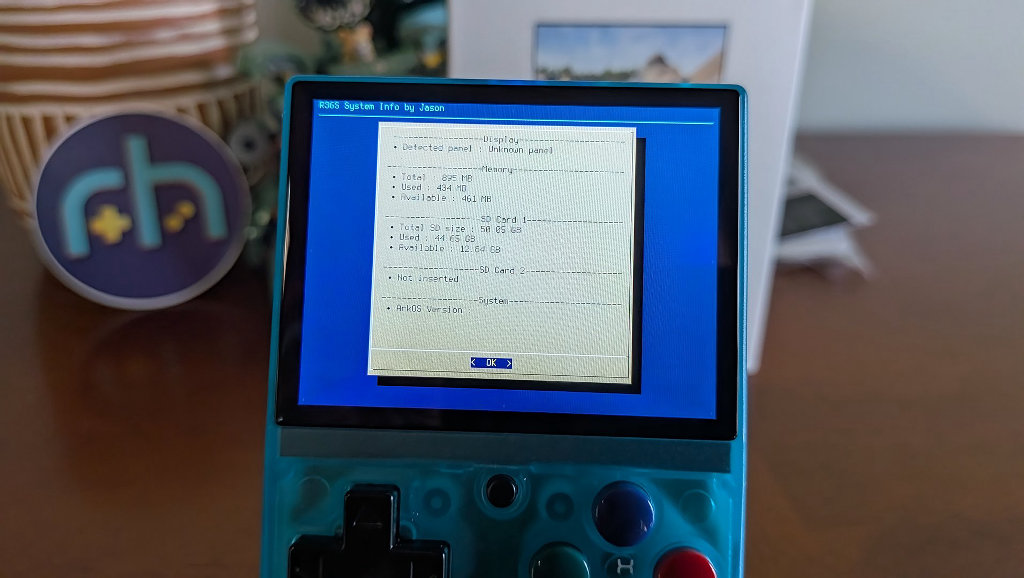
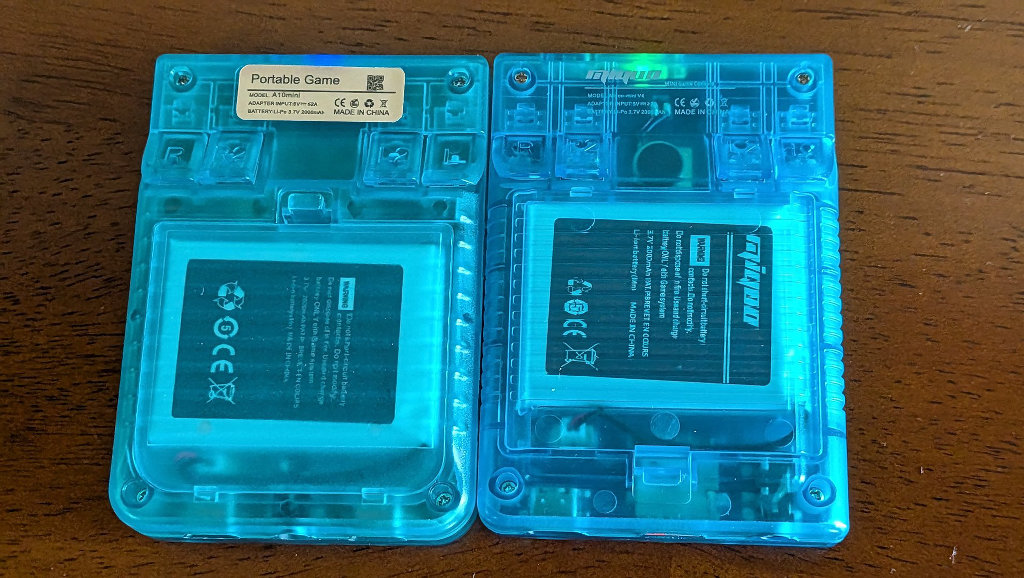
The unit that I received for testing did not contain a vibration motor, while apparently others do. Thanks to trihaeck for the included tear-down pics, including a damaged PCB that may indicate a lack of quality control, but such is the wild west of mystery clones.
| Hardware | |
| CPU | RockChip RK3326 |
|---|---|
| GPU | Mali-G31 MP2 |
| RAM | 1GB LPDDR3 |
| Display | |
| Screen Size | 2.8-inch |
| Resolution | 640 x 480 |
| Aspect Ratio | 4:3 |
| PPI | 285.71 |
| Storage | |
| Internal Storage | ❌ |
| External Storage | microSD |
| Battery | |
| Battery Capacity | 2000mAh |
| Est. Battery Life | 5 hours |
| Charging Speed | 5V/2A |
| Connectivity | |
| Wi-Fi | Wi-Fi |
| Bluetooth | ❌ |
| Ports | 3.5mm Audio Jack, microSD, USB-C |
| Controls | |
| Sticks | ❌ |
| Triggers | Digital |
| Shoulder Layout | Shelf |
| D-Pad | Top Left |
| Audio | |
| Speakers | Mono |
| Speaker Location | Front-facing |
| Headphone Jack | Yes |
| Physical | |
| Dimensions | 95 x 65.5 x 20mm |
| Weight | 108g |
| Form Factor | Vertical |
| Software | |
| Operating System | Linux (ARM) |
Hardware and Design
If you sit the A10 side by side with the Miyoo Mini, you’d have a tough time spotting the imposter if you weren’t already familiar with the particulars of the Miyoo’s design. The A10 unit that I received has the same translucent blue-ish shell as the Miyoo, but there’s just a touch more green in the mix on the clone.
The A10 wisely chooses to eschew the Miyoo Mini’s volume scroll knob, preferring the more standard +&- buttons on the side of the unit. This is an extremely minor difference, but I always thought that the scroll wheel on the Miyoo made the package feel a little cheaper on the whole.
Other devices have used jog-wheels more successfully in the same place, perhaps just because I view those as a cool novelty, but the old school scroll-wheel for volume control just feels decidedly “e-wastey”, and I’m happy to see it replaced with buttons that match the shell exterior.
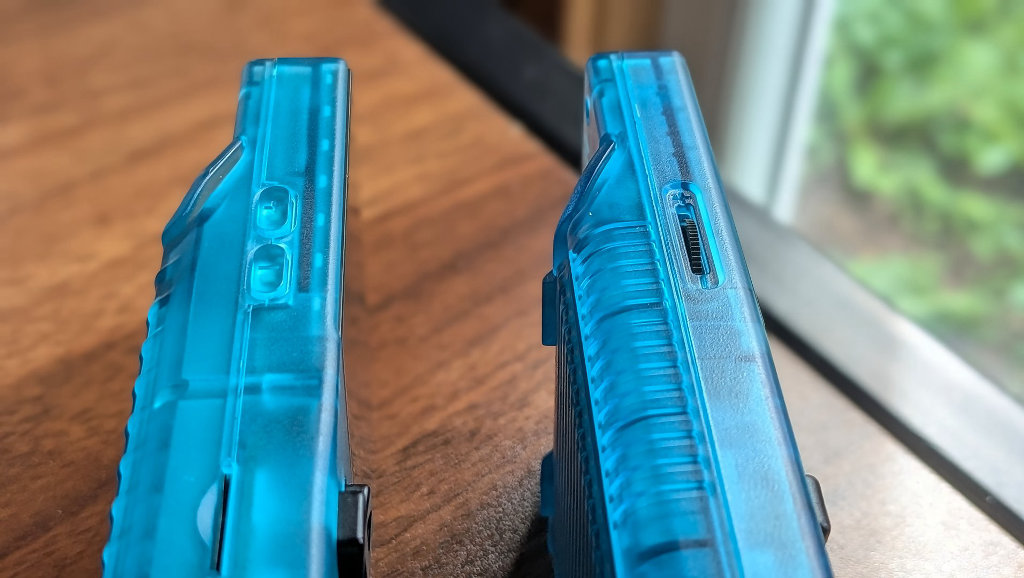
The A10 also sneaks in a second USB-C port where the Miyoo only had one. As long as the Miyoo was able to reliably switch between charging and OTG mode from a single port, it never really bothered me, but it’s nice to know that the A10 splits things off for those who prefer the option to multitask.
Next to the Miyoo’s SigmaStar SSD202D, the RK3326 is sporting a good bit more under the hood. Both systems top out around the PSX (though the system is oddly absent from the included SD card) as far as “fully playable” goes, but the path there looks very different. The A10’s Rockchip runs a higher 1.5GHz clock to the Mini’s 1.2GHz, has double the cores, and packs a GPU that can actually do 3D.
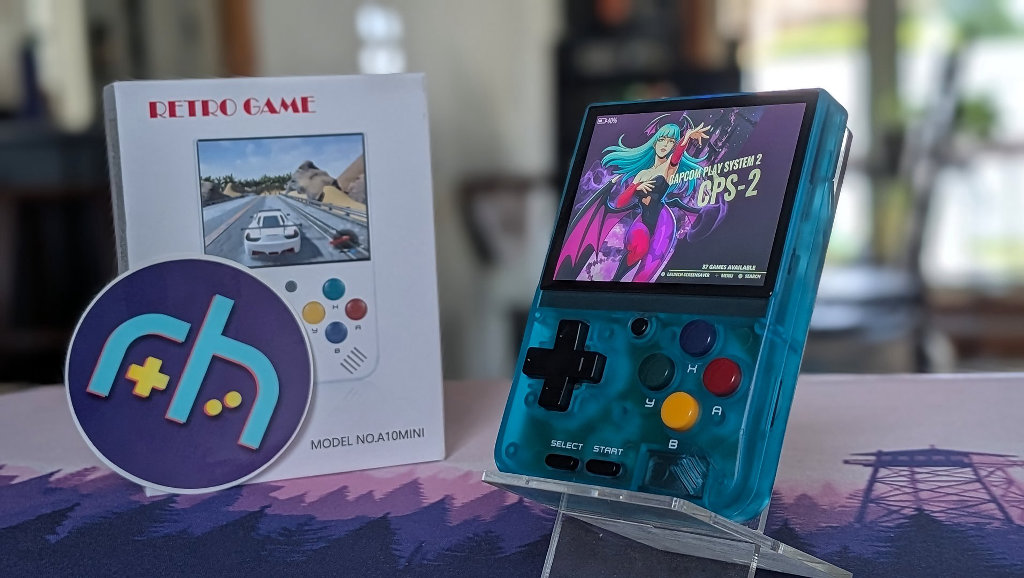
And while 1GB of LPDDR3 looks skimpy in 2026, it’s worth remembering what the original Mini was working with: 128MB. That ceiling shaped everything about the original — what CFW could manage, whether shaders were realistic, and where the system might have been able to squeeze a little extra for systems like Dreamcast.
Controls
The D-pad on the A10 Mini is one place where I have to deduct a few points vs its inspiration. The Miyoo Mini’s D-pad offers a more definite experience in its direction inputs. Each press feels purposeful and committed to the direction I’m pressing. The A10 D-pad feels more like I’m pushing directions out from center.
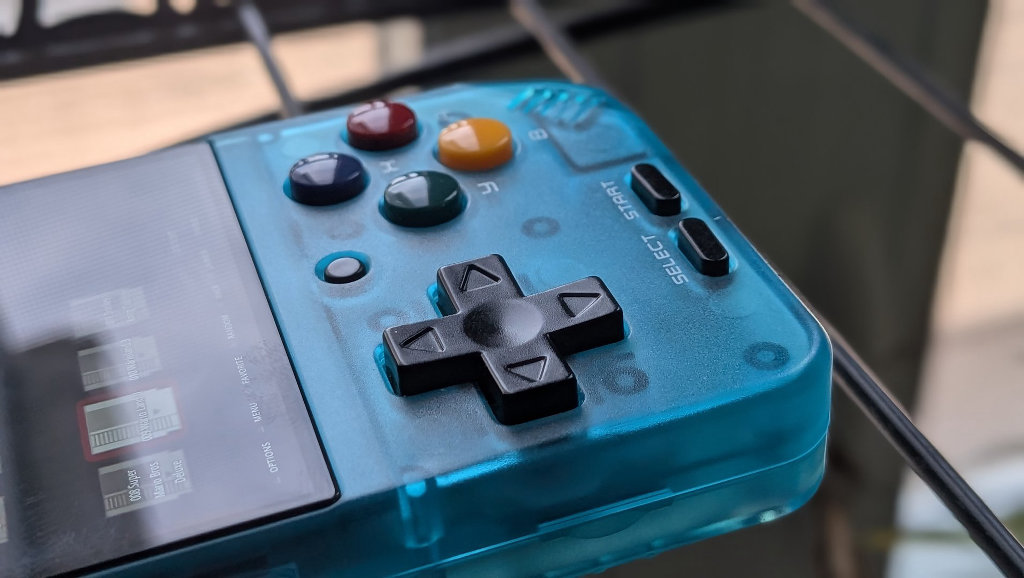
It’s pivoting around a central axis point to the right, vs. definitively pressing right. That’s not to say that false inputs were a problem. The inputs register just as I intended, but in a hobby where feel is everything, it just slightly misses the mark when compared to the original.
Would I consider the D-pad to be a deal breaker? Not at all. It’s still entirely functional, and without the reference point of the Miyoo Mini to compare the two directly, I’m not sure the differences would have been quite as striking.
Miyoo owners will notice the difference, but that’s not to say it’s a bad D-pad. It’s a difficult experience to put into words, but clone users that have spent some time with lesser-pads will understand where I’m coming from.
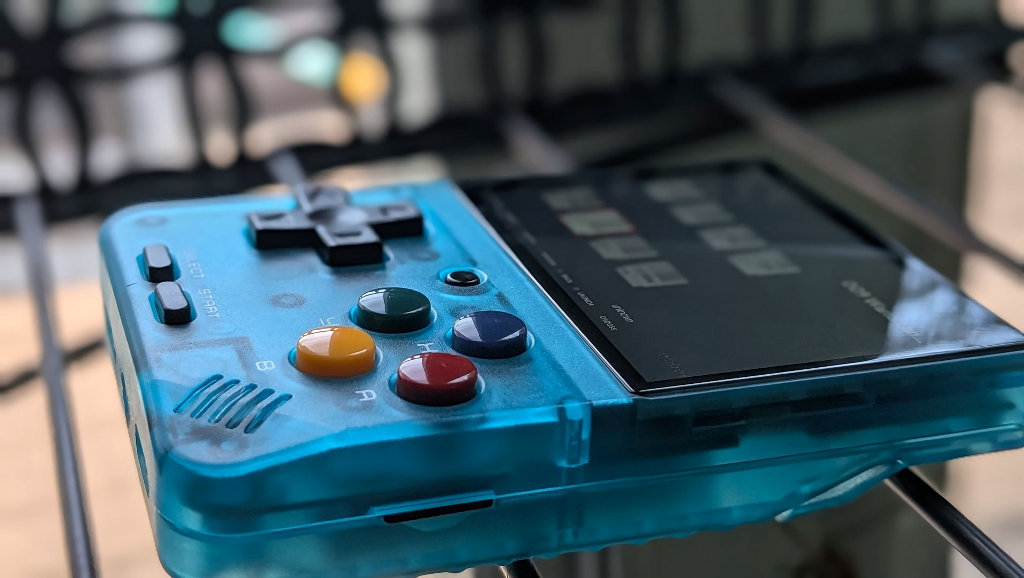
Face buttons on the A10 are nearly identical to those of the Miyoo Mini. The colorful Skittle-style ABXYs on the two handhelds are either very similar, or are in fact the same. No complaints from me. If you found the Miyoo buttons comfortable, these shouldn’t give you any issues.
One set of buttons that the A10 does not get right, along with half the other clones on the market, is those dang trigger buttons. The rear triggers on the A10 are laid out in the exact same way as is seen on the Miyoo Mini, but use the two side by side, and which device is the clone will become audibly obvious very quickly.
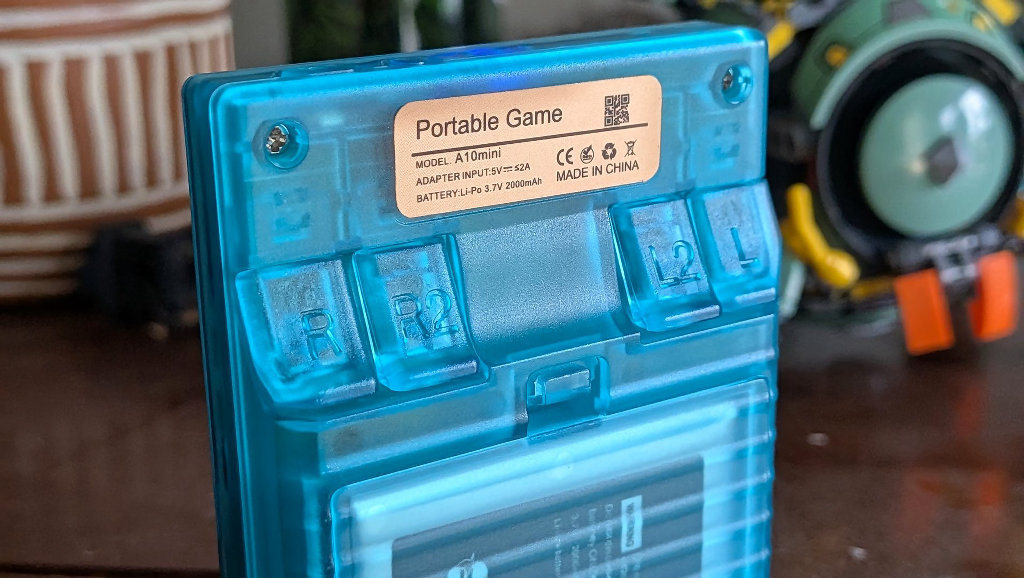
Like so many other clone consoles that came before it, the A10 has loud and *clacky* shoulders. It’s an annoyance in an otherwise great package. It seems like something that could be fixed so easily with the implementation of a little interior padding, but it’s the same annoying issue that appears on a ton of clones regardless.
Whether it’s cheap parts, or skipping an assembly step in the interest of saving production costs, the cause is immaterial. These triggers will be a compromise for anyone who has used the original Miyoo. Is it a deal-breaker? No, because the triggers don’t actually come into use all that often for the games that I’m playing on this system, but an annoyance nonetheless.
There is zero chance this could pass the “use in bed while my partner is trying to sleep” test. Zippity.
Display
The original Miyoo Mini (as well as the follow-up hardware revisions) famously used old Blackberry panels to give the handhelds capable displays on the cheap. As that supply ran dry, so seemingly did the supply of Miyoo Minis.
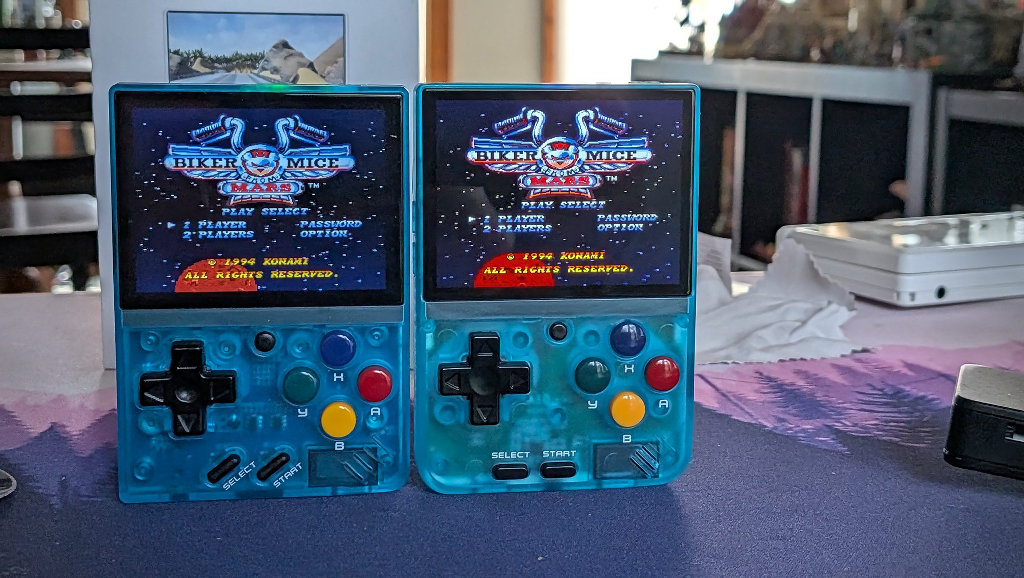
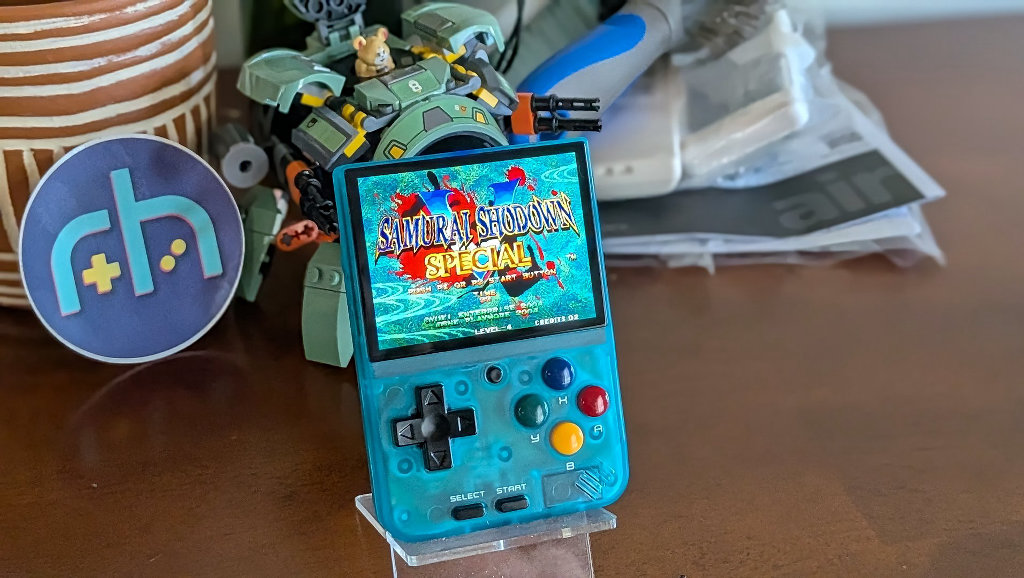
While not a Blackberry screen like the Miyoo Mini, the A10 Mini is doing a stellar job of recreating the original experience. Specs only go so far. As someone who tests a ton of these clones, I can tell you that not all 640×480 panels are created equal. Thankfully, whatever panel has been used with the A10 is nearly indistinguishable from the Miyoo original. I sat the two units side by side to try and decide which looked better, and it honestly went back and forth depending on the title.
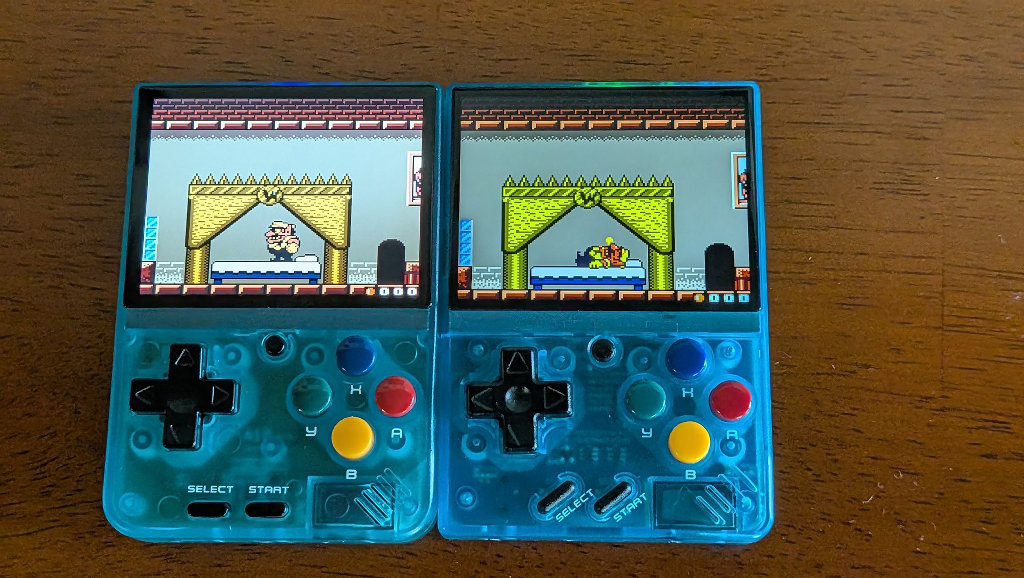
Sometimes I swore the A10 appeared a bit more vibrant, and other times it was the Miyoo. Both were set to display titles in the same scaling and set to 90% brightness. The best compliment I can pay to the A10 Mini team is that they’ve matched the quality of the original Blackberry screen without me being able to point out the differences. Simply put, it looks great.
OS/Software
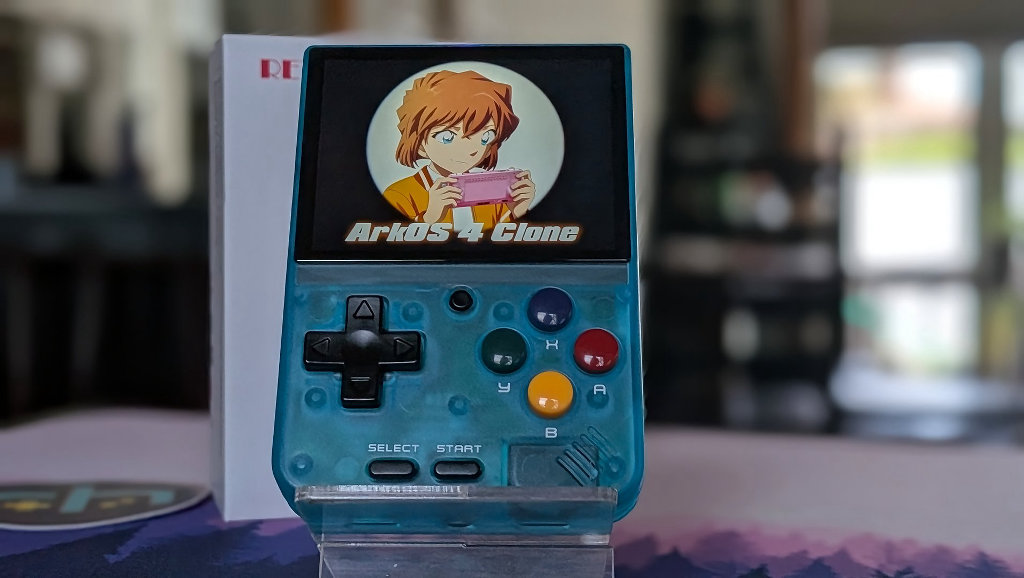
The A10 Mini arrived in my mailbox with ArkOS4Clones already installed. One of the things I’ve always enjoyed about clone systems is the fact that the manufacturers lack the ego about using their own software. Anbernic is always going to want to put their own OS stamp on their product. A clone manufacturer just wants what works best for the hardware right from the jump.
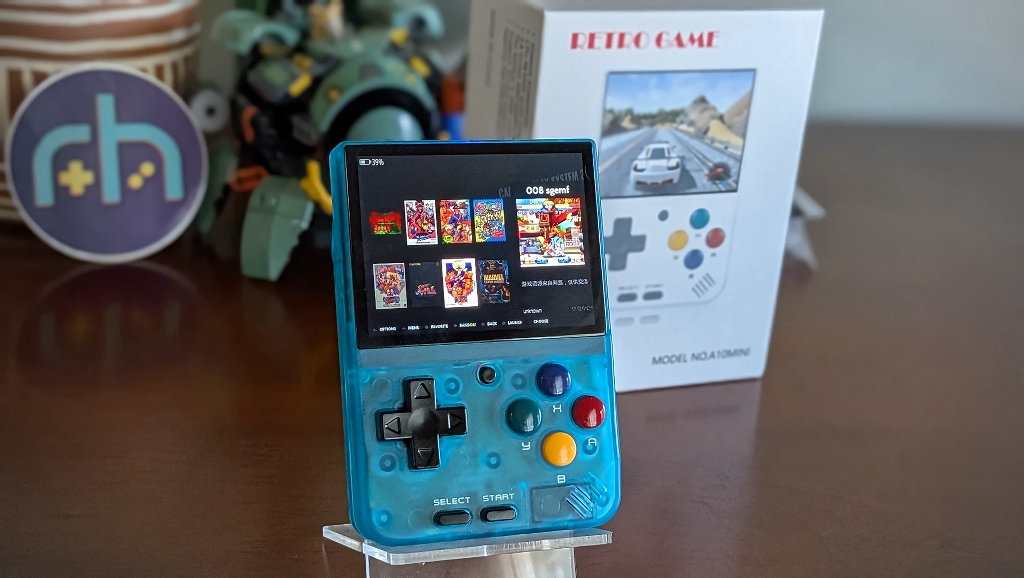
It’s not like they’re going to pay anyone for software use anyway, so they might as well just use the latest community FOSS solution. Nine times out of ten it’s a better option than what hardware makers try to shoe-horn as their own.
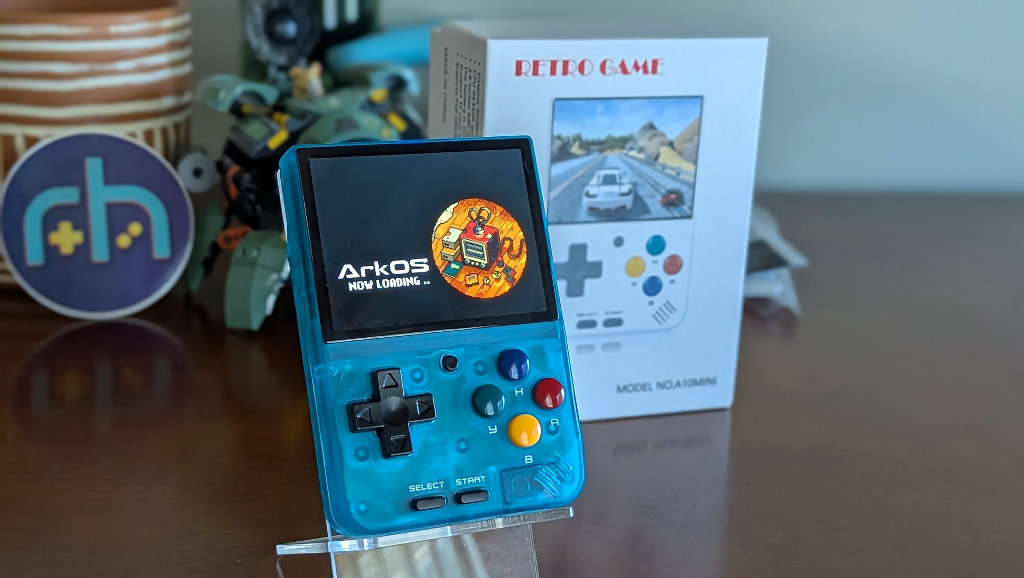
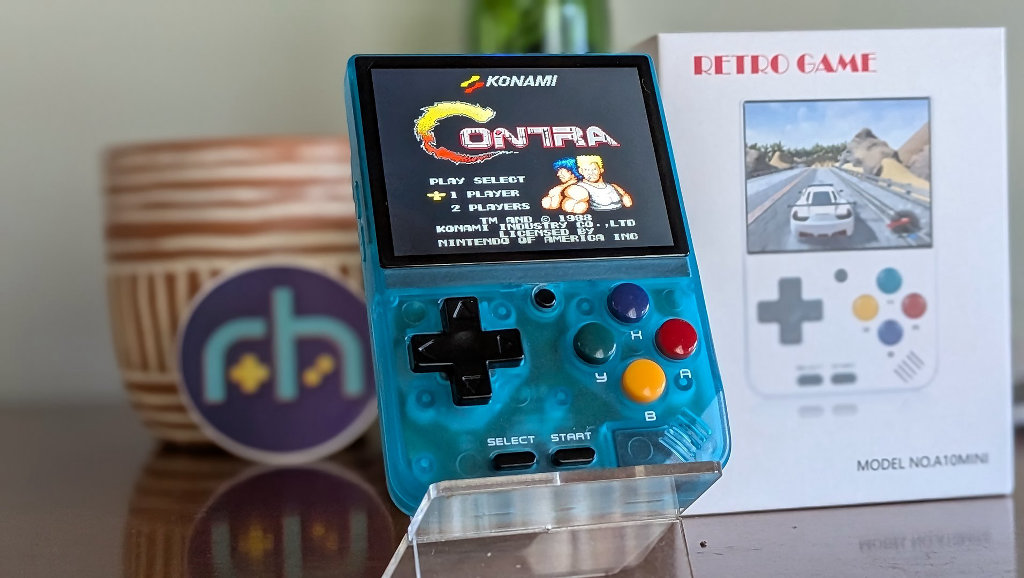
The A10 performs the same as the slew of RK3326 devices that I’ve covered in the past. Modern drivers and continued community support have only seen this chipset become more capable as time has gone on. Tuning the processor to 1.5GHz has probably maxed out all that we’re going to get, but it’s pretty cool to see how competent the chipset has become.
A Miyoo Mini Clone in 2026? Why Now?
This is the question that I kept coming back to when playing with the A10 Mini. Why now, in 2026, are we revisiting one of the first major designs in the hobby? Well, I think the answer comes in two parts. One, Miyoo famously said that once those panels for the Mini series dried up, that was it.
“Once they’re gone, they’re gone” type of deal. It only makes sense that a clone manufacturer would step in to try and fill the gap left in the market, but why now?
If you look back a few years, the answer becomes obvious. The Game Console R33S was pretty much a direct 1:1 clone of the Miyoo Mini+, just as the A10 is to the original Mini. The thing is though, Miyoo didn’t take too kindly to a direct knockoff of their current core product. They complained to retailers like Ali Express, and got the R33S listings removed.

A quick search now will reveal that any OG Miyoo Mini listings are few and far between. You have to get lucky capturing some back-stock leftover from years past that a seller has found in a corner. Miyoo aren’t making any more.
Presumably, because of this, they’re not taking the same hardline stance that they did against the R33S. If it’s not competition for their current product lineup, why should they care? This is of course all my own speculation, but I’d like to think that I’m at least partially correct.
TL/DR
The A10 Mini isn’t trying to hide where it derives its inspiration from. This is a clone console through and through. It comes with the asterisks of a slightly lesser D-pad and those annoying loud rear triggers that afflict so many clone devices, but other than that, this is a supremely solid effort.
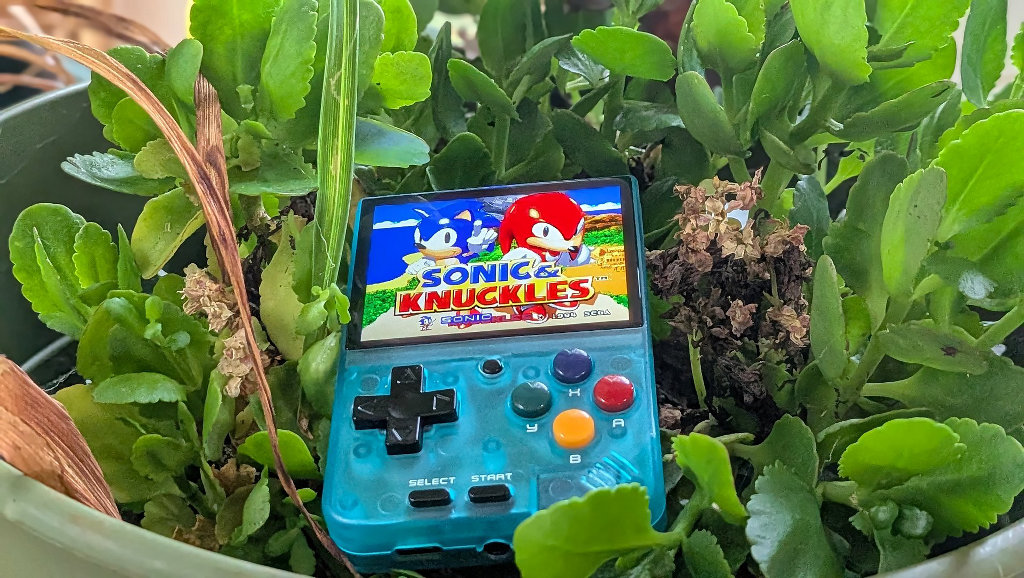
Whether you should buy one is simple. It comes down to two factors: price and availability. Do you have the option to purchase a Miyoo Mini at a comparative cost to what you can buy the A10 Mini for? Do it. It’s worth a few extra bucks to buy the brand name, but only a few. Miss the initial Miyoo train and want a chance to experience what other people loved? The A10 is a great option in lieu of the original.
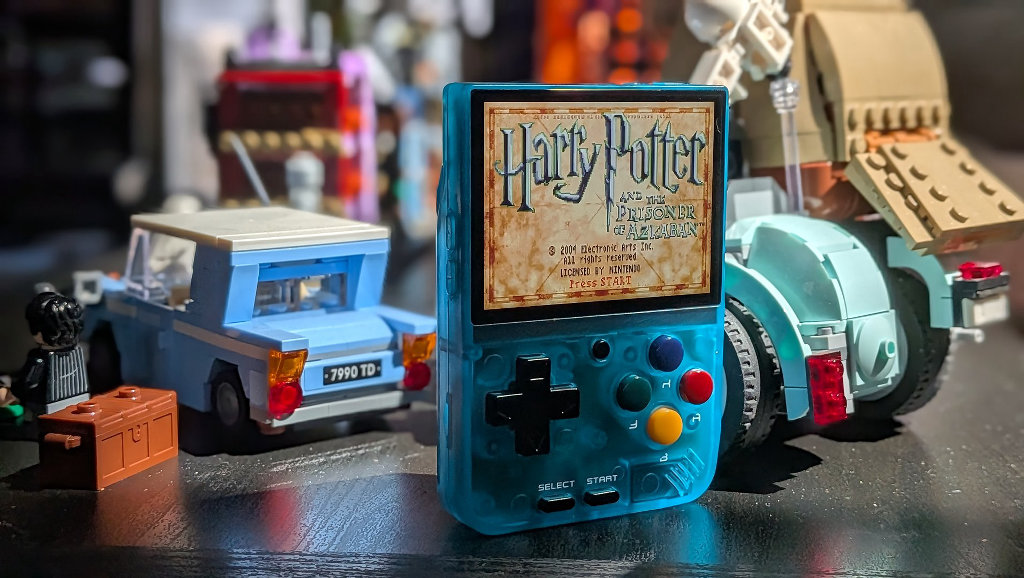
Clone manufacturers often walk a tightrope between paying homage to the original they’re trying to copy, and doing enough different that they can’t be attacked for stepping on someone else’s market. Miyoo left the gap, the A10 is just filling it. Maybe it’s theft, maybe it’s homage, but this is one clone that gets the majority of things that made the original so popular, quite right.
