

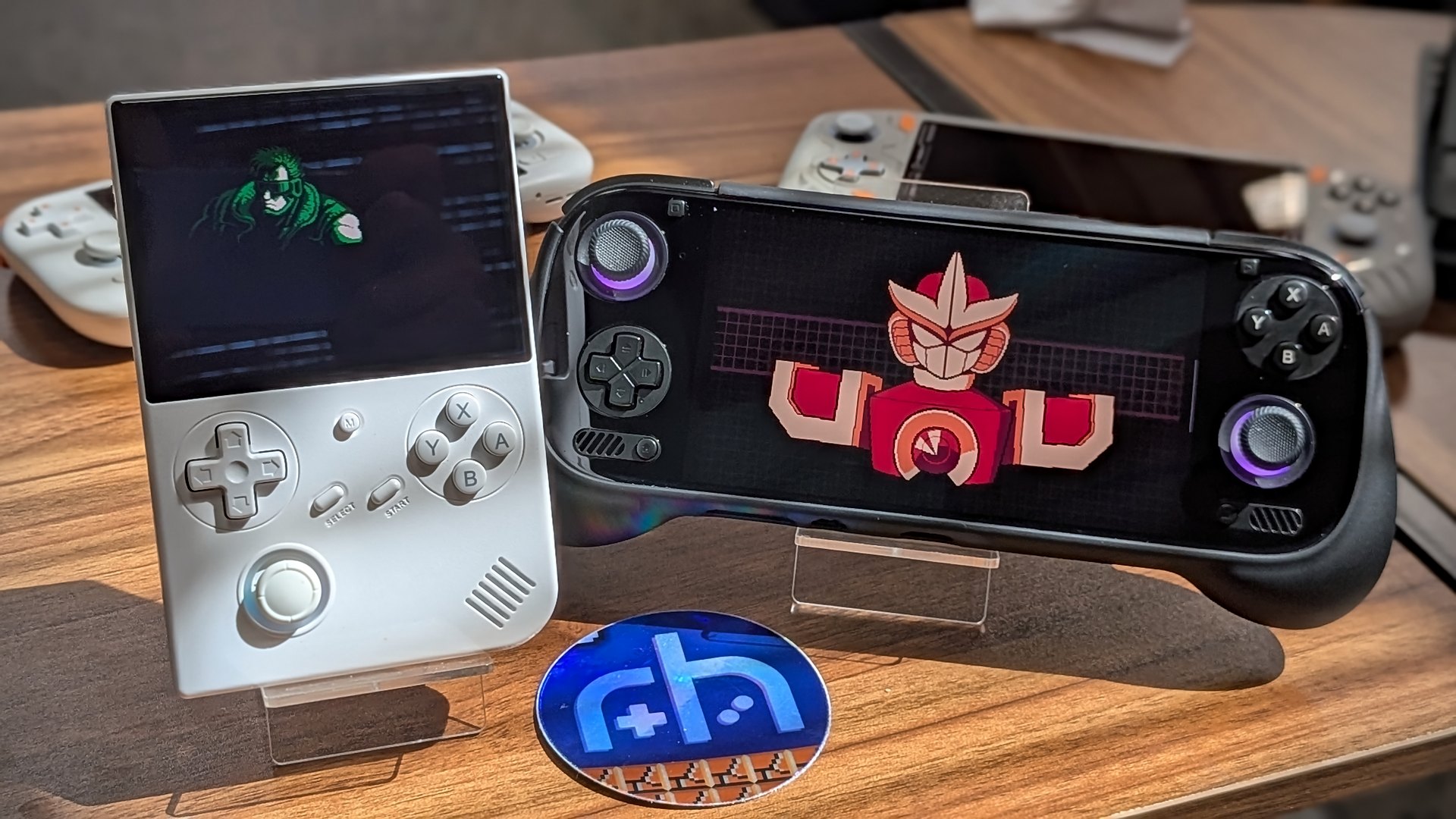
There are a variety of reasons that some classic franchises go away. Sometimes there are licensing issues too complicated to navigate, or maybe a publisher may not believe there is enough interest in an IP to revive a franchise. Whatever the cause, it’s likely that at some point in your emulation adventures, you’ve longed for a sequel to a beloved game that just never came. Enter a new generation of indie developers who decided that if nobody was going to make a new version of their favorite formulas, they’d just do it themselves.
Welcome to Close Enough, an exploration into the modern games that wear their inspirations on their sleeves. I’d prefer to think of them more as love letters than anything that might be considered more legally dubious. Copycats are games that attempt to just exploit whatever formula made the last game successful. Spiritual successors honor their inspirations from a place of love.
You might not be able to spot the homage from the cover art right away, but these are the games that capture everything that made their inspirations special, and bring it into the modern era – metaphorically, anyway. Most of these titles choose to keep things retro in the graphics and sound departments, too.
Double Dribble | Basketball Classics
Basketball Classics is a bit of a funny entry on this list. It’s the only game that takes the formula from the original, and actually dials back things in the graphics department a bit. The characters in Basketball Classics look like they’d be more at home on an Atari 5200 than the NES, but then that’s interspersed with the famous Double Dribble cutscene-style dunks and stylish presentation. Published by the recently resurrected Acclaim, it’s safe to say that its retro credentials are in order.
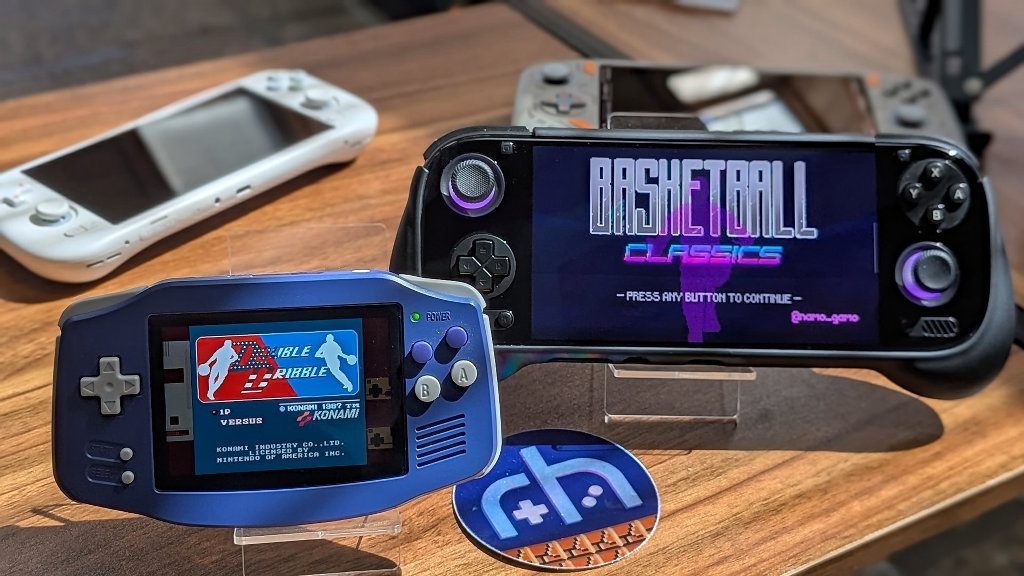
Basketball Classics takes the original presentation style of Double Dribble and cranks things up to a hilarious degree. The game designers clearly must have explored likeness laws during development, because despite all the cutscene characters having blank mannequin faces, you immediately know who each one of them are. Without spoiling anything, let me just say, the halftime performers are especially good.
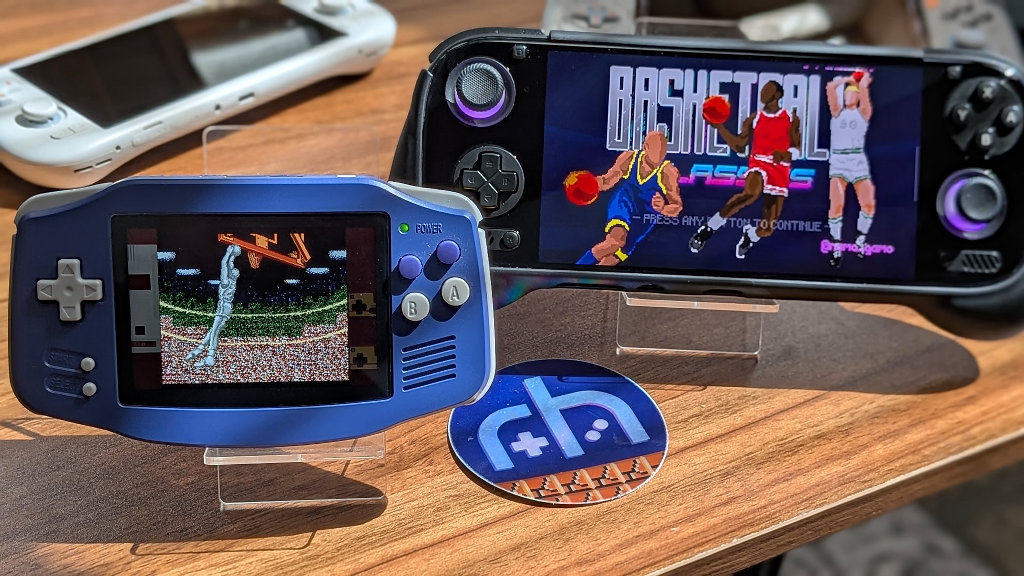
Despite its simplistic exterior appearance, there’s a surprising amount of depth to Basketball Classics. Players can call plays, set picks, adjust shot strength, and more. Legendary NBA lineups are all accounted for, sans player names, but just like Basketball Classics itself, we know who it’s supposed to be.
Shatterhand | Gravity Circuit
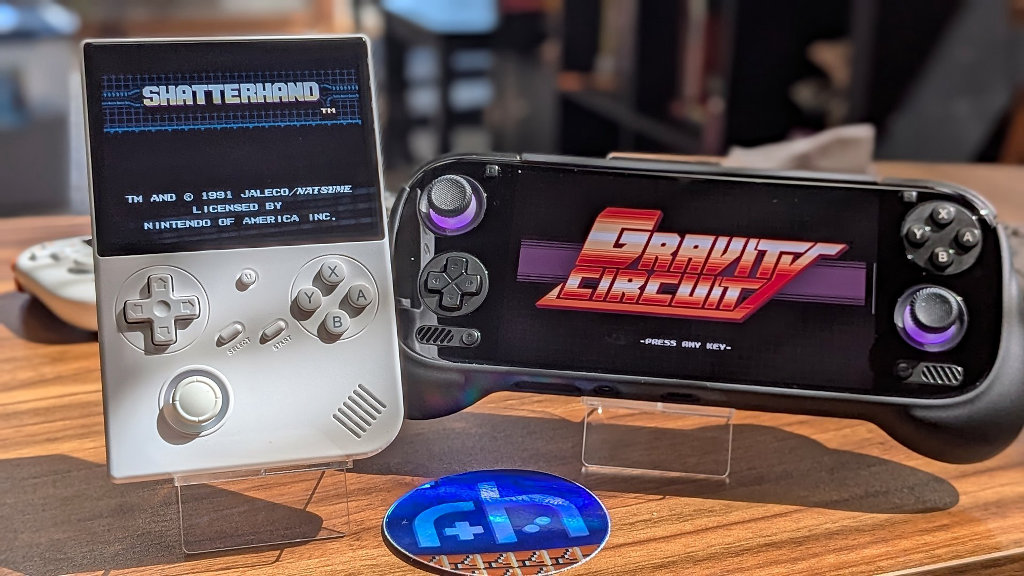
Shatterhand is one of those games that I recommend to anyone who asks for NES classics that they may have missed. Its side-scrolling action platforming will be familiar to anyone with classic Nintendo in their DNA, but Shatterhand did enough things differently (and very well) to carve itself a place away from the pack. There’s a certain satisfaction to bashing enemies and large structures with your fists until they explode. Shatterhand understood this.
Gravity Circuit is as close to a direct sequel to Shatterhand as we’re ever likely to see. It takes the core gameplay of the NES original and dials things up. The classic stage selection navigation is present and accounted for, but Gravity Circuit includes a home base to explore and characters to interact with to further flesh out the narrative.
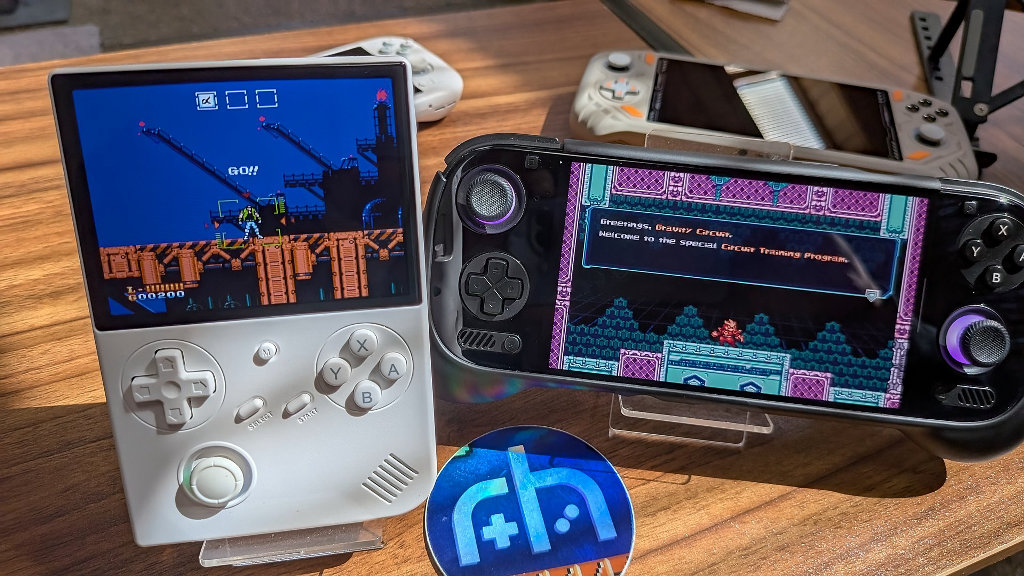
Where Shatterhand had the fence grapple mechanic, Gravity Circuit adds a swing shot. Everything from the 8-bit ethos is here, and it’s a testament that great games are a product of their core gameplay fundamentals.
Wario Land | Pizza Tower
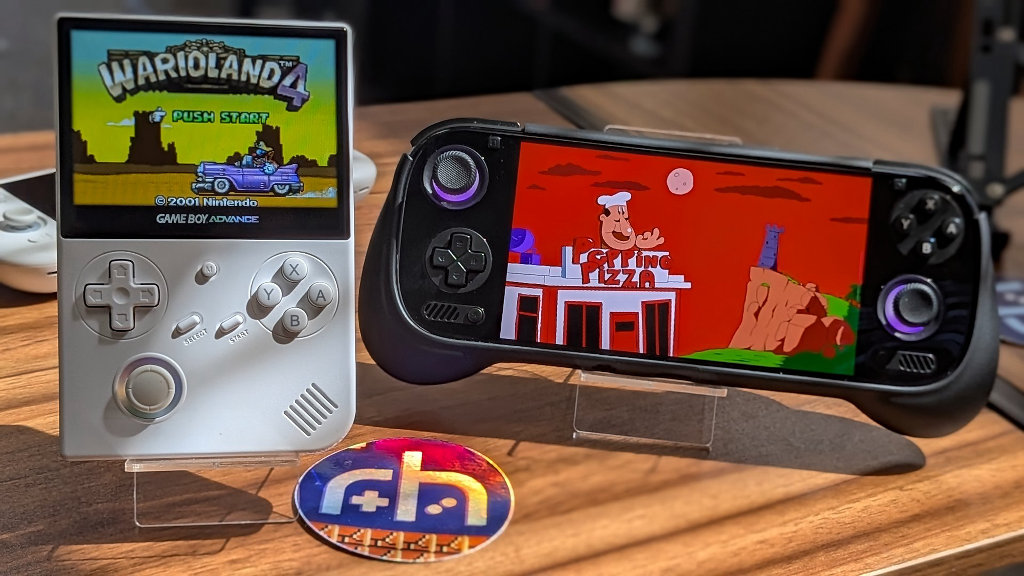
So I actually did this one backwards. As I’ve written about in the past, I never had a Game Boy or GBA back in the day. That was a generation of gaming that largely passed me by in my teens and early twenties. Wario Land was a series that I was aware existed, but that was about the extent of my knowledge.
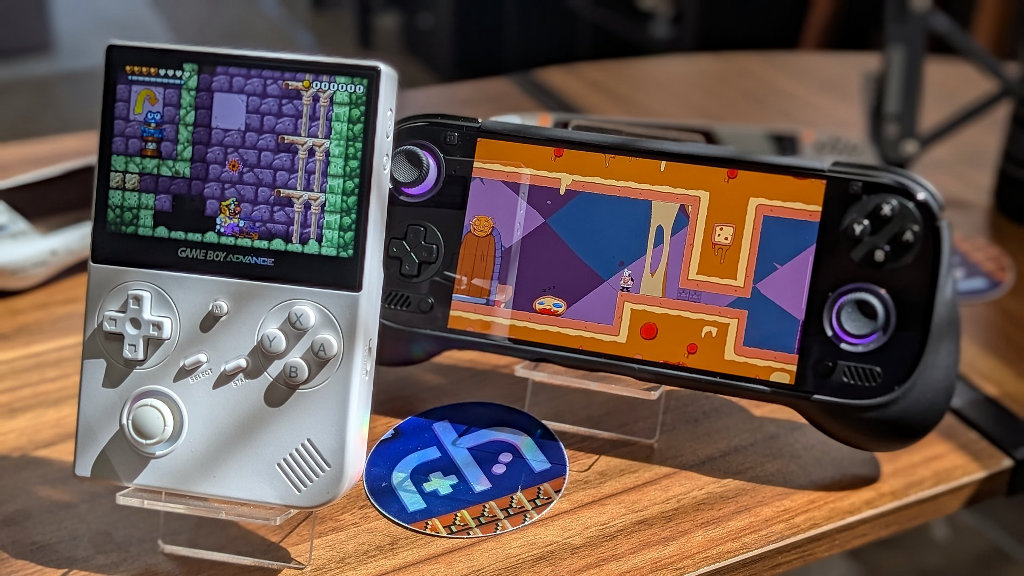
It wasn’t until many years later, when I first got my Steam Deck, that Wario Land would unexpectedly make its way into my gaming repertoire. When I first powered up my Steam Deck, it was off to the store to see what experiences would lend themselves well to this new portable PC. The arrival of my new handheld just so happened to coincide with a fall Steam Sale, and my wallet was immediately punished by the new “Great on Deck” selections. Valve assured me that, given my play history, Pizza Tower was something that I had to play. Who was I to argue?
Pizza Tower sees you controlling Poppino, rather than Wario. He’s something of a hand-drawn pizzaiolo tweaked out with the animation flair of Ren & Stimpy. The dash, smash, and pound gameplay and classic 1-1, 1-2 split-level structure make the game an addictive way to spend an extra 20 minutes.
A couple of years after playing Pizza Tower on Steam Deck, I discovered its direct homage to the Wario Land series, with the GBA’s Wario Land 4 providing the most obvious influences. If you’ve already played one, it’s worth checking out the other – or both!
Power Blade | Prison City
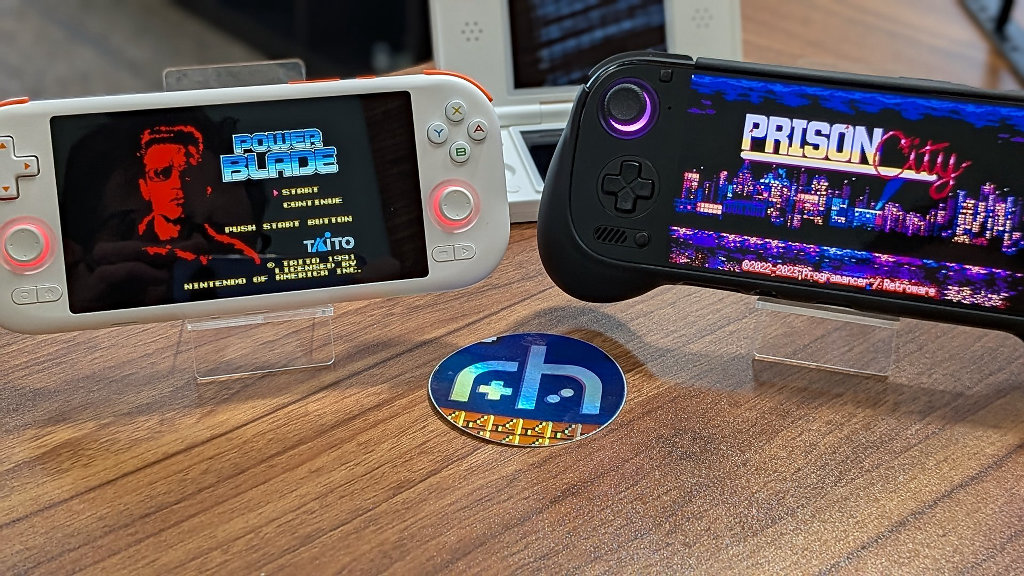
Right up there next to Shatterhand on the mantle of underrated NES action games sits Power Blade. Think 80’s Arnold in Commando, but armed with a boomerang. Prison City swaps the roid-rage look for a more modern cyberpunk dystopia, and the famous boomerang has become a chakram, but the heart of the series remains firmly intact.
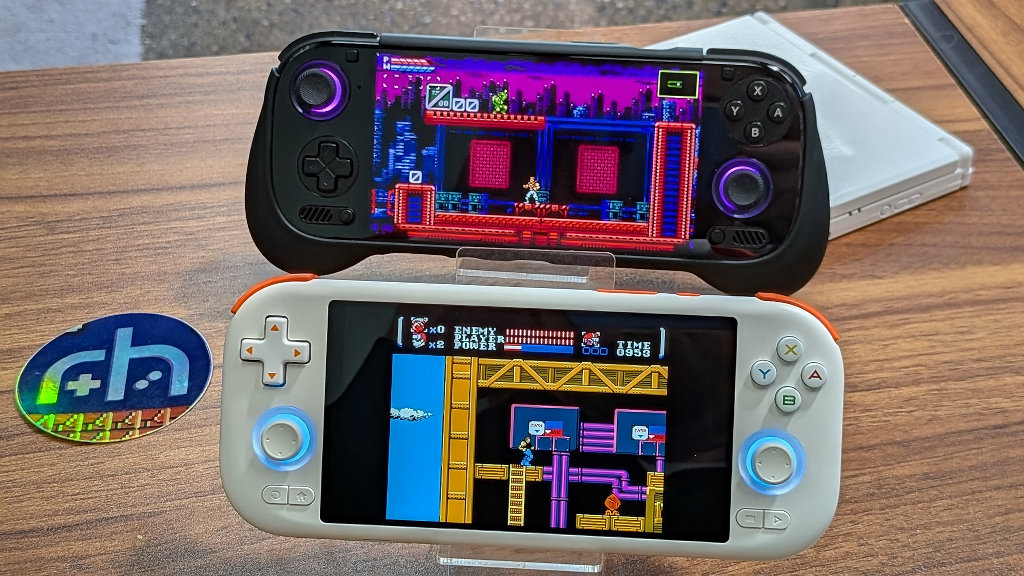
Players will still run right and destroy everything that gets in the way, but Prison City adds additional game mechanics like slide to the controls package. Be warned, though, publisher Retroware made sure this one is true to its NES difficulty roots.
Mega Man ZX | Berserk Boy
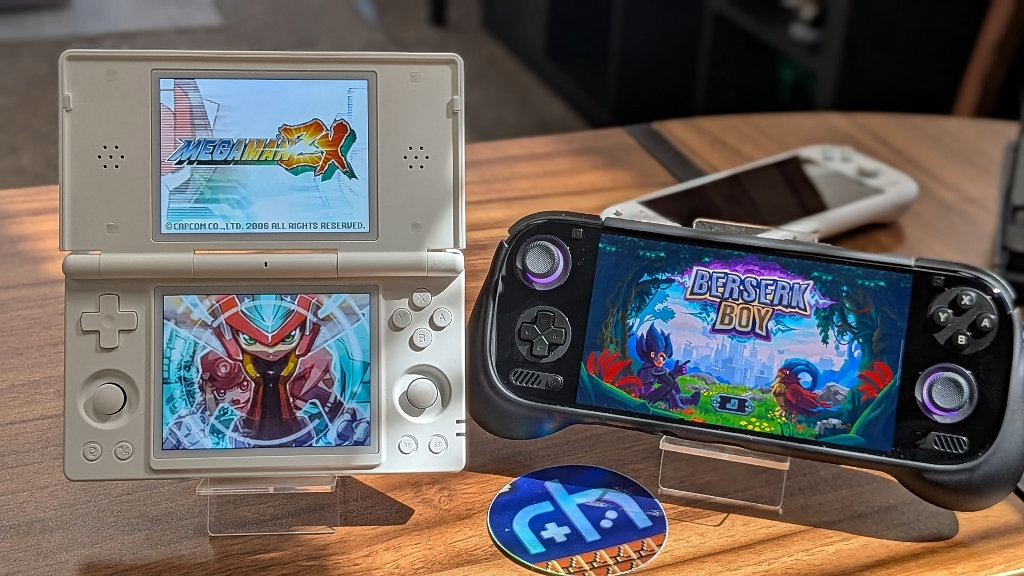
Of all the games on this list, these are the pair that I was least familiar with. Mega Man ZX is exactly what the title implies – a combination of the Mega Man Zero and the Mega Man X series. What makes this series offshoot a bit different is that it was developed by Inti Creates, not Capcom. In a lot of ways, Berserk Boy is a spiritual successor to a spiritual successor, since the original Mega Man ZX for the Nintendo DS was an ode from the developer to the Capcom titles that came before it.
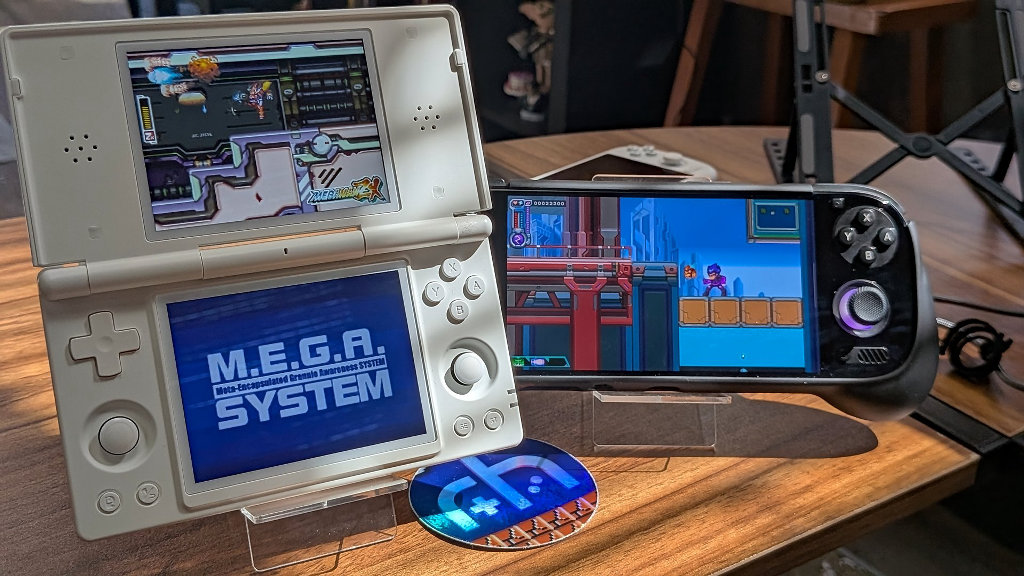
Rather than the traditional Mega Man formula of “beat boss, get new shooty thingies“, players in Berserk Boy are rewarded with elemental orbs that alter the mechanics of your character as you progress. Abilities will open paths that were previously inaccessible in a nod to Metroidvania titles.
Even if you’re like me and weren’t previously familiar with the Mega Man ZX series, you should give this game a look. The visuals are the type of stunning pixel work that brings the visual stylings of Game Boy Advance to modern systems. The soundtrack, from the master behind the music in games like TMNT: Shredder’s Revenge and Sonic Mania, is simply exceptional.
Outrun | Slipstream
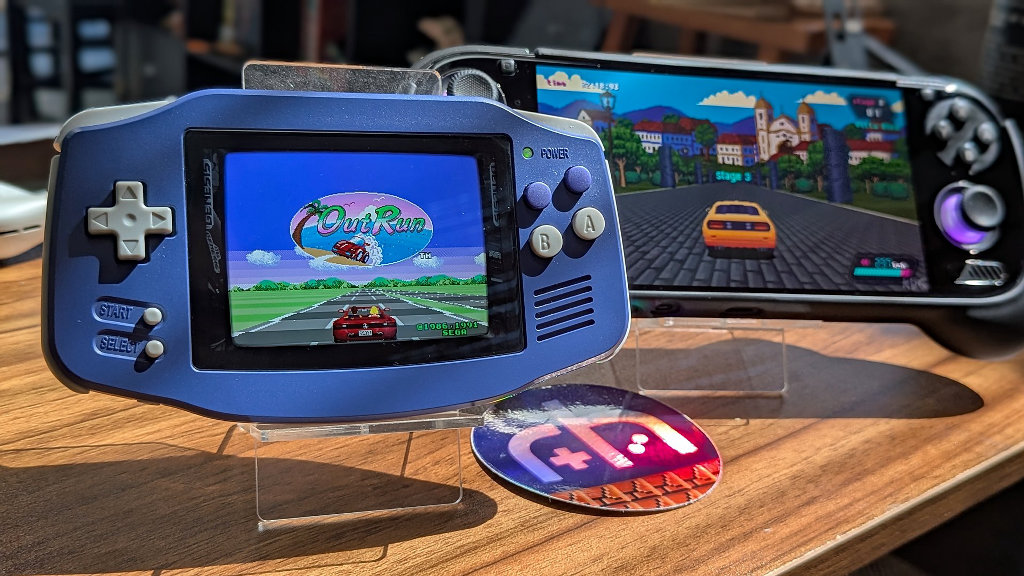
There are more than a few modern games that could be inserted into the slot as a spiritual successor to Outrun, but Slipstream is the closest that I’ve played so far.
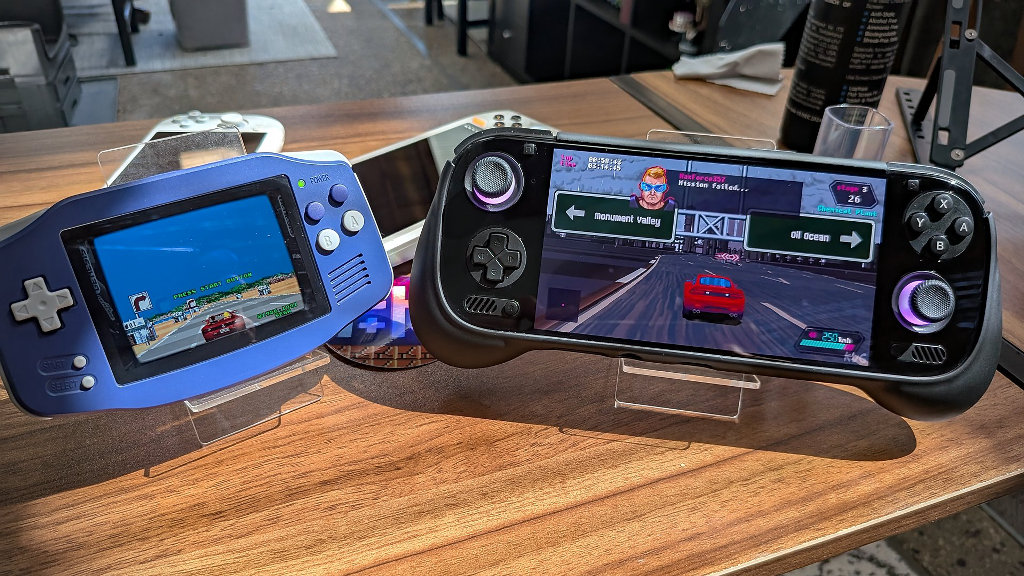
Much like the famous Outrun arcade game, Slipstream is all about you and the open road. You aren’t here to race others on a closed track. This is all about choosing your fork in the road and beating the clock, with some rival drivers thrown in the mix for good measure.
Weaving through traffic to cross the finish line before the clock strikes zero is as alluring as it was back in the 80s, but added graphical flourishes and a killer synth-wave soundtrack make this the perfect modern successor to the multiplatform mainstay.
More. I Want More.
This is no definitive list. These are just the first examples that came to me after a spirited session of Basketball Classics. As I’d said above, I hope to make this into something of a regular series if it has the legs. If you have a game in your library that you think carries the torch of a classic game into a new generation, let me know about it.
I’m always up for replaying the classics in a new way, and certainly up for finding cool new indie takes on the franchises that not only shaped my interest in the hobby but inspired a generation of developers to create.

2 Comments
Why not mention Bomb Rush Cyberfunk as a successor to Jet Set Radio?
And A Robot named FIGHT! keeps the 16/32 bit Metroidvania alive and well, focusing more on metroid than the latter.
Top Gear (SNES): Horizon Chase Series
Wing Commander Privateer: Rebel Galaxy Outlaw
Castlevania: Bloodstained