

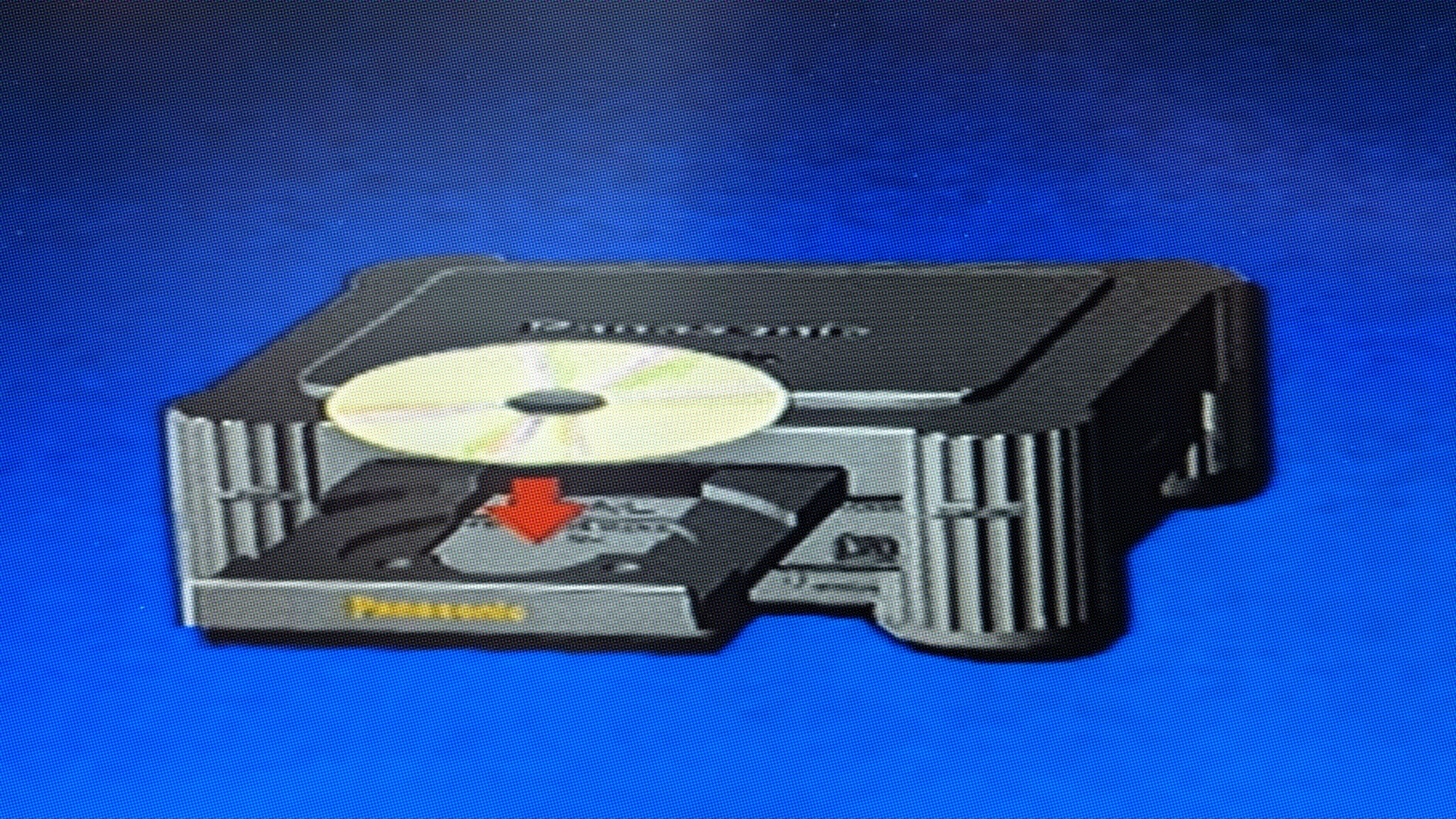
In 1993, as the console industry prepared for the arrival of true 32-bit gaming, a company named The 3DO Company believed it had the future figured out. Instead of building a console in the traditional way, they licensed a hardware specification to other manufacturers. The idea was simple. Just as VHS players came from dozens of brands, video game consoles could do the same. The 3DO Interactive Multiplayer would be a standard, not a box.
It was ambitious, forward-thinking and pretty much immediately doomed.
The first 3DO model, Panasonic’s FZ-1 (above), launched at a jaw-dropping $700. This was a price that made even the Neo Geo look slightly embarrassed. The 3DO Company assumed consumers would pay PC-level prices for a console that looked futuristic and promised cutting-edge multimedia experiences.
What buyers got was a machine powerful for the time, but hobbled by a library dominated by FMV, digitized actors, point and click experiments, and early 3D that often ran like a tech demo escaping a trade show. Mixed in were a handful of genuinely great titles like Road Rash, Need for Speed, Star Control II, Gex, and Return Fire. The problem was not the hardware; it was the economics.
Developers hesitated to support a console with a tiny user base, and consumers refused to buy a console at PC prices. Publishers had no incentive to optimize or take risks. It was a slow, spiraling, perfectly circular failure.
By 1995, the PlayStation and Saturn swept in with cheaper hardware, stronger branding and deeper software libraries. The 3DO never recovered. Panasonic slashed prices, but the damage was done. The console became a high-end curiosity, a system remembered less for its games and more for its monumental misunderstanding of what consumers expected from a video game platform.
If the 3DO failed as a platform, its manufacturer variants failed as a spectacle. Because the hardware was licensed rather than built by one company, the 3DO did not have one console. It had a fleet of consoles from companies with wildly different design philosophies, manufacturing quality, and marketing delusions.
The result was a fragmented ecosystem that behaved like someone tried to build a console generation using committee notes.
GoldStar 3DO (GDO-101)
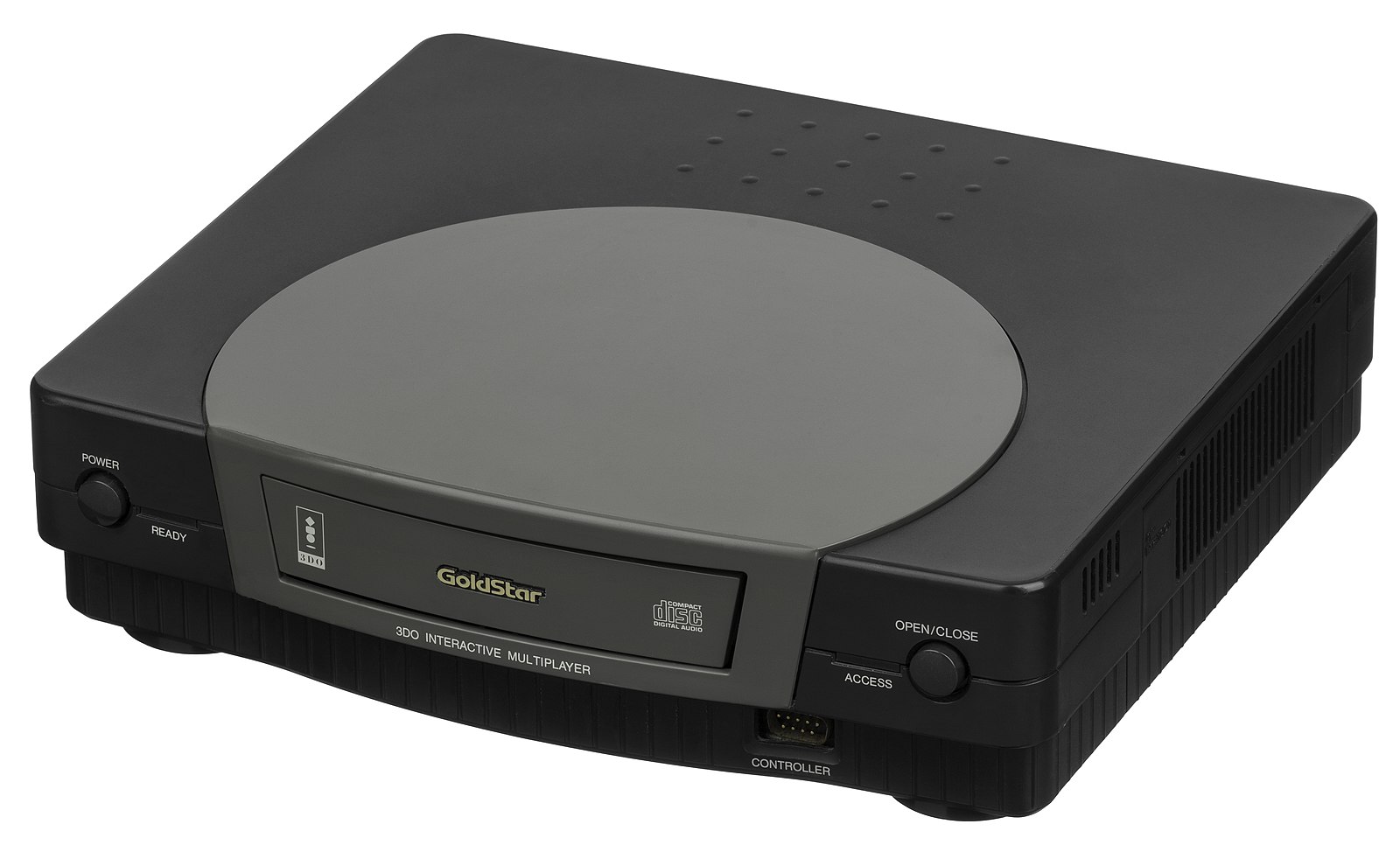
GoldStar’s machine was cheaper, plasticky, and often prone to drive issues. It did play 3DO discs just fine, but the loading noise ranged from mild hum to airplane engine. Some games ran identically, while others behaved strangely. The controllers were famously mushy. It was the 3DO equivalent of buying the off-brand knockoff at the grocery store.
Panasonic FZ-10
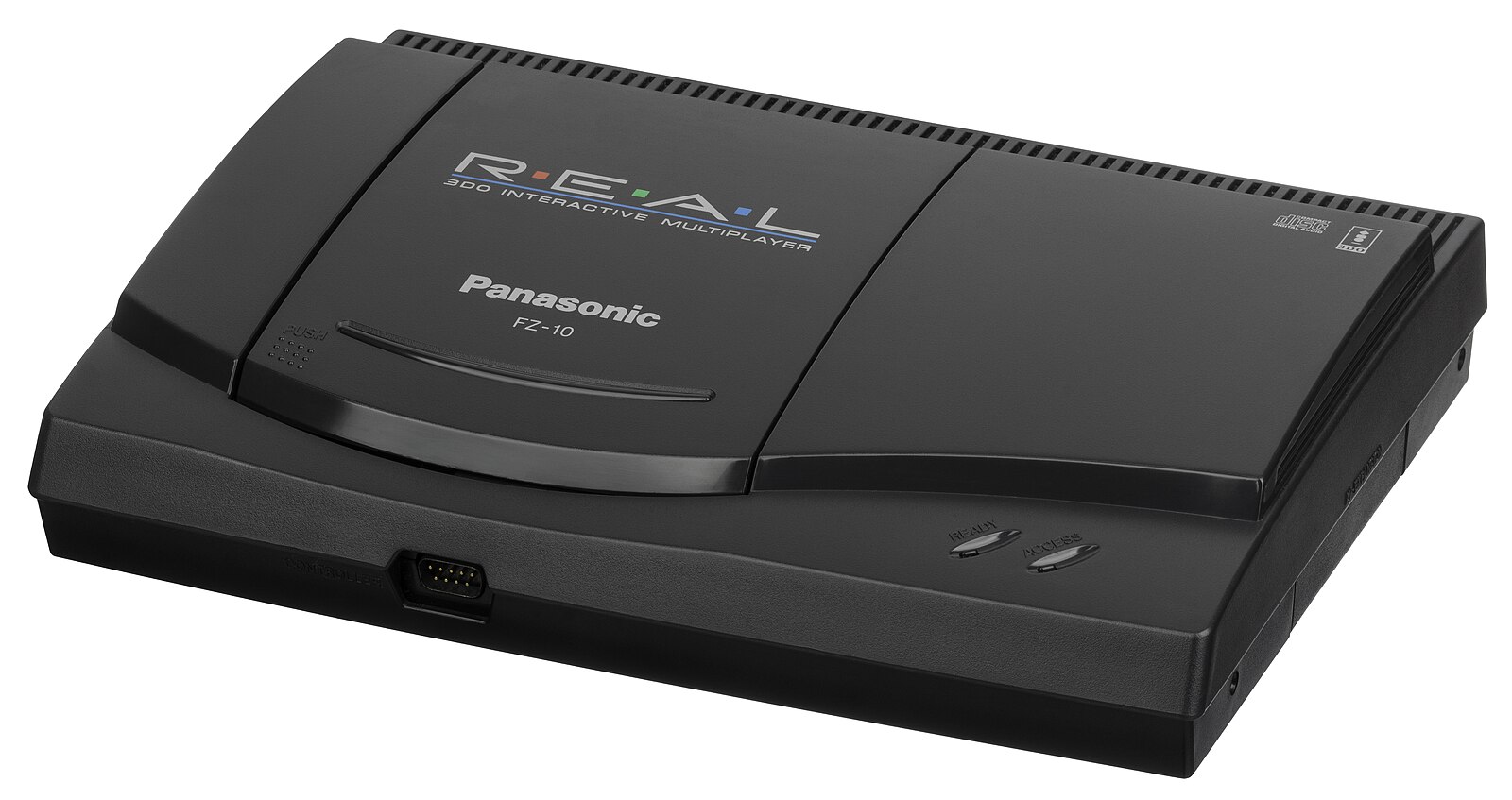
Panasonic tried again with the FZ-10, a top loader that fixed many reliability issues from the original FZ-1. It was lighter, cheaper, and had a friendlier design, but by the time it hit shelves, the PlayStation had already conquered the world. The FZ-10 is beloved by collectors today mostly because it looks nice and refuses to die.
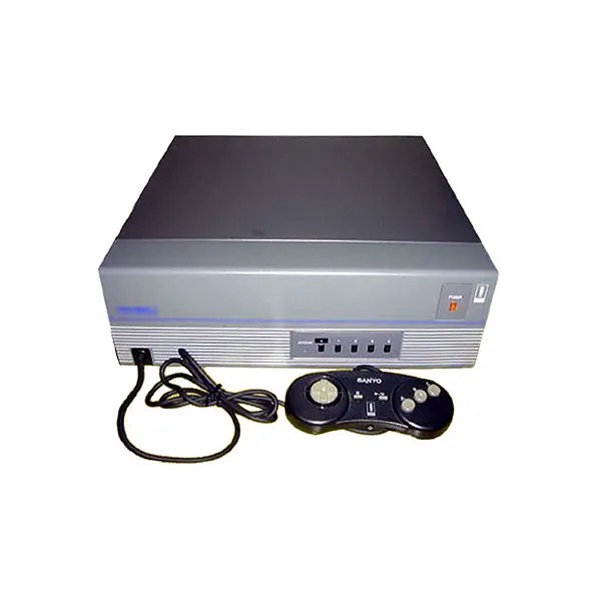
Sanyo TRY 3DO
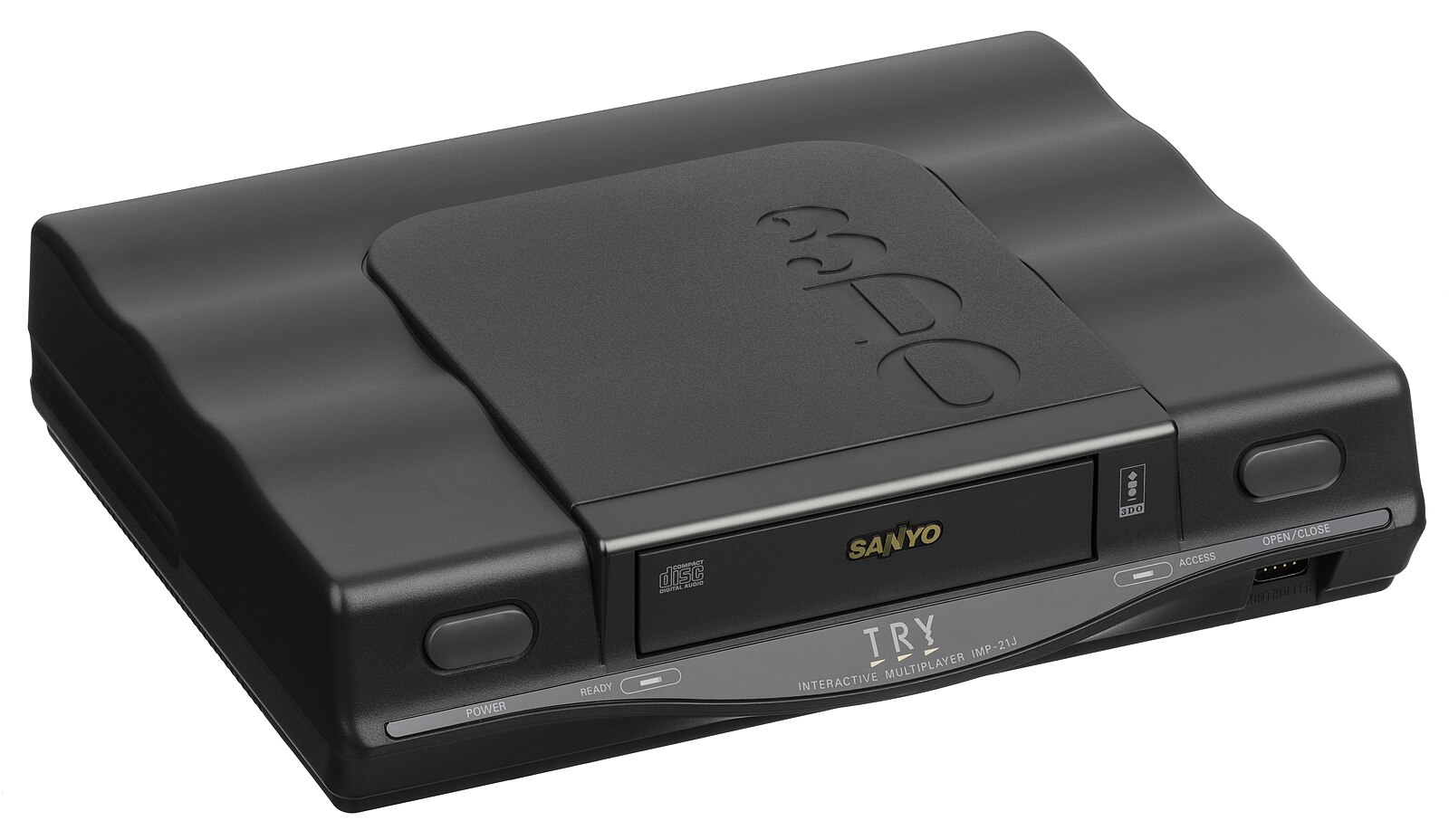
Released only in Japan, the Sanyo TRY feels like a system that was designed over a lunch break. It is boxy, industrial, and the rarest of all retail 3DO models. It did nothing special except exist as a square footnote in the history of licensed hardware.
Panasonic ROBO 3DO
If the TRY is rare, the ROBO is a cryptid. This industrial 3DO variant was designed as a hotel entertainment unit with pay-per-play features, and it was never sold to the public.
The 3DO library was small, but the number of ways that hardware could behave was enormous. No two machines felt entirely alike. This was not a console generation. It was a hardware experiment falling apart in slow motion.
The 3DO reinforced the fact that a console without a single identity becomes not one failure, but several overlapping ones, each with its own slightly confused story. Most of the best games were ported to more popular consoles, and the rest live on through emulation, where they play reliably, without Jet Engine disc drives.

1 Comment
Don’t care what anyone says, 3do was hands down thee greatest gaming experience I ever encountered. For the jump from playing super Nintendo into a 3do me and my buddies would sit around getting stoned and playing star control 2 and return fire battles against each other over and over. Good stuff