

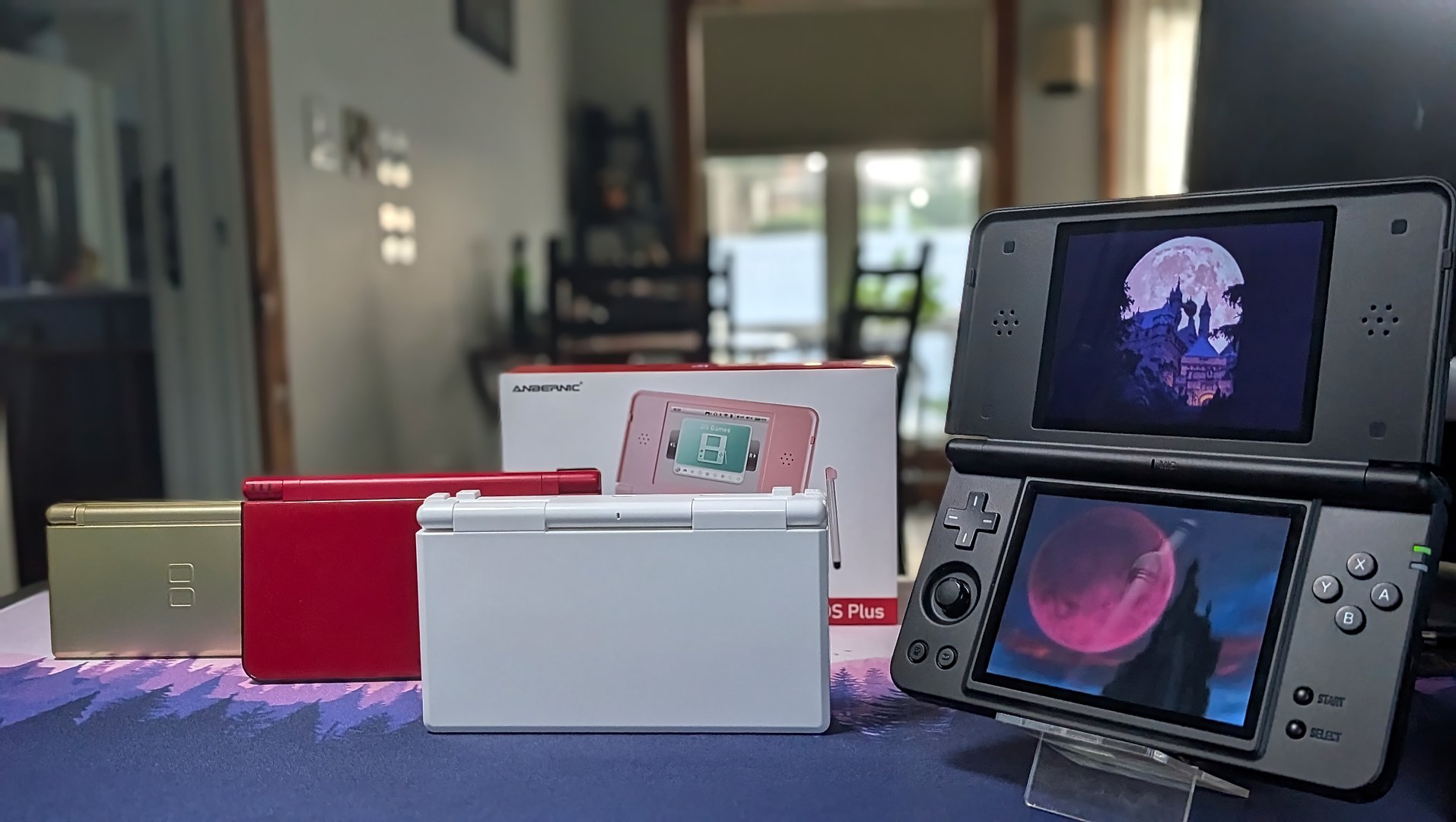
When the original Anbernic RG DS released towards the end of 2025, it had passed me by. I picked one up off Andrew about 6-7 months later, and many of the initial complaints about the handheld were now mostly solved with the additions of community firmware offerings in Rocknix and GammaOS Nano.
I thought the original RG DS was better than its early reputation had suggested. In fact, I found myself often playing NES games on the unit just because I enjoyed the experience while horizontal on the sofa. I know that folks were upset that it couldn’t deliver a 3DS experience at a more budget friendly price-point, but I’m not sure that they claimed it ever would.
Anbernic designed this system as a nod to the original Nintendo DS, and despite some stumbles out of the gate, they delivered a solid experience for playing games on that system. More recent stock OS updates directly from Anbernic have seen performance increases there too. It’s a safe recommended buy.
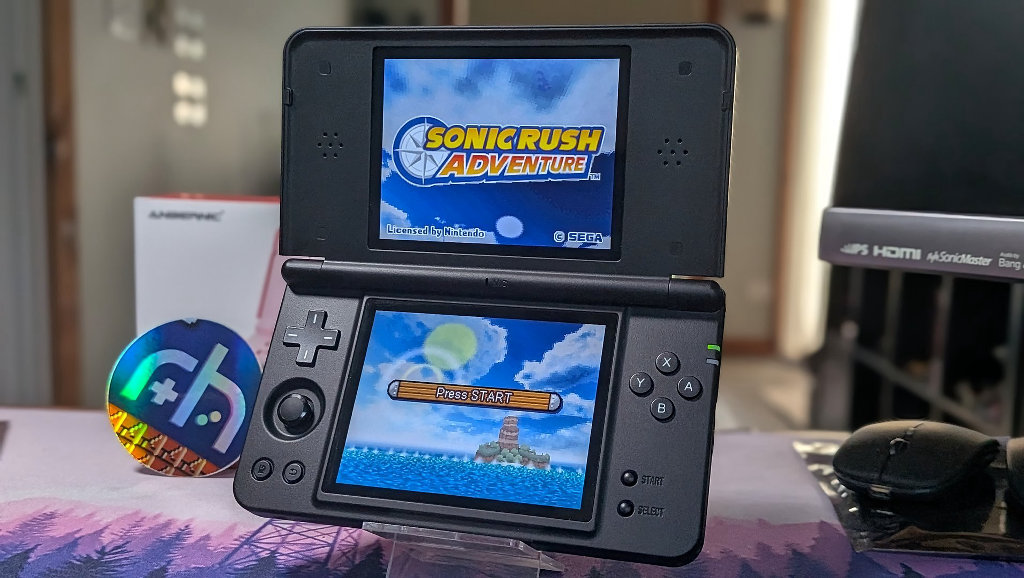
Now Anbernic are back with a bigger DS. Same chipset, but thanks to some clever design changes, a larger overall package, for under $100. This is a summary of my thoughts after my first 24 hours with the Anbernic RG DS Plus. Strap in, because I’m going to be using a lot of variations on abbreviations for dual-screen.
Anbernic RG DS Plus Specs
| Specifications | |
|---|---|
| Hardware | |
| CPU | RockChip RK3568 |
| GPU | Mali-G52 2EE |
| RAM | 1GB |
| Display | |
| Main | |
| Screen Size | 4.3-inch |
| Resolution | 1024 x 768 |
| Aspect Ratio | 4:3 |
| Refresh Rate | 60Hz |
| PPI | 297.67 |
| Secondary | |
| Screen Size | 4.3-inch |
| Resolution | 1024 x 768 |
| Aspect Ratio | 4:3 |
| PPI | 297.67 |
| Storage | |
| Internal Storage | ❌ |
| External Storage | 2x microSD |
| Additional Details | Expandable up to 2TB |
| Battery | |
| Battery Capacity | 4000mAh |
| Est. Battery Life | 6 hours |
| Charging Speed | 5V/1.5A |
| Connectivity | |
| Wi-Fi | Wi-Fi |
| Bluetooth | Bluetooth 4.2 |
| Ports | 3.5mm Audio Jack, microSD, USB-C |
| Controls | |
| Sticks | 1x |
| Triggers | Digital |
| Shoulder Layout | Shelf |
| D-Pad | Top Left |
| Audio | |
| Speakers | Stereo |
| Speaker Location | Front-facing |
| Headphone Jack | Yes |
| Physical | |
| Weight | 344g |
| Form Factor | Clamshell |
| Software | |
| Operating System | Linux (ARM) |
Hardware & Design
The RG DS Plus is bigger than its predecessor in every respect, but the jump isn’t quite as striking as the move from something like the original DS Lite to the XL. The RG DS was already the same size as my Nintendo DSiXL, so the DS Plus is something of an incremental size increase – and while it is larger, the design retains a slick and slim feel, much as the original Nintendo DS XL did when compared to its chunkier predecessor. Anbernic are following the map they found in Nintendo’s attic again.
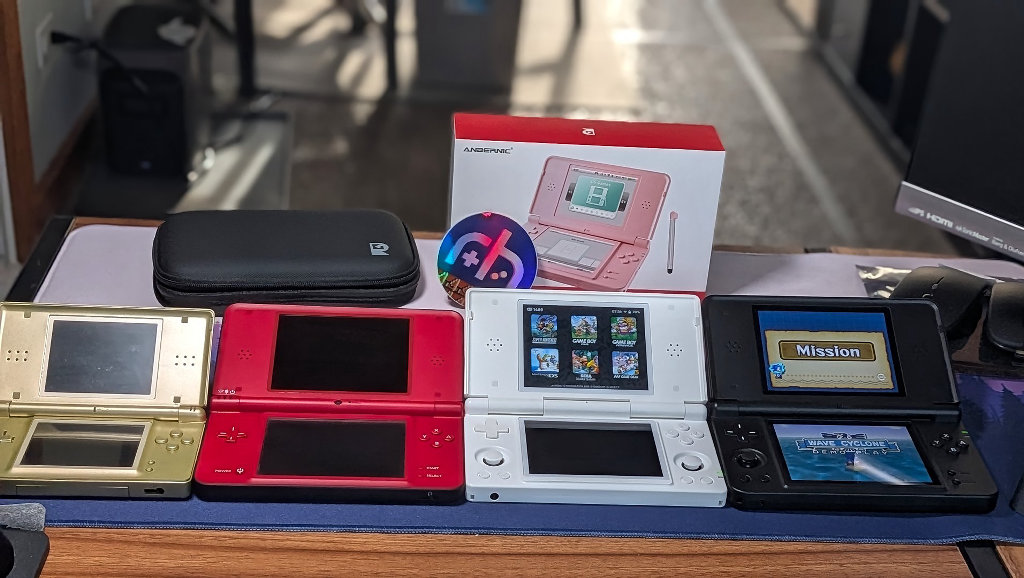
Besides the growth in physical size, the RG DS Plus makes two major design revisions. One in layout and the other storage.
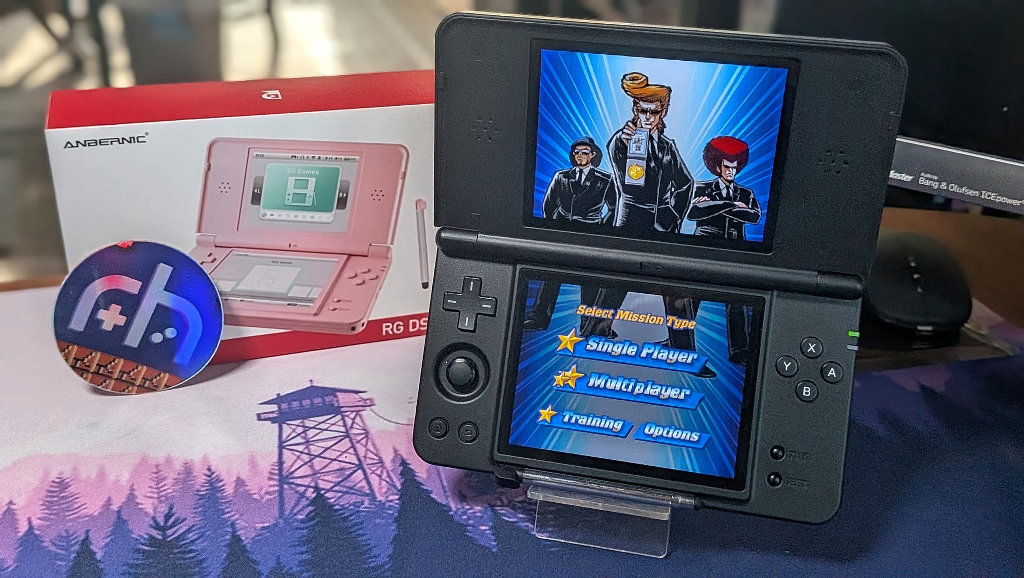
Gone is the right-side analog stick, replaced in favor of a classic stylus accessory. I haven’t really used a stylus much outside of my original DS Lite in years, and to be honest it’s kind of a fun novelty to jump back to that time in tech. The stylus itself is solid, with a soft rubber membrane on the end to ensure screen safety.
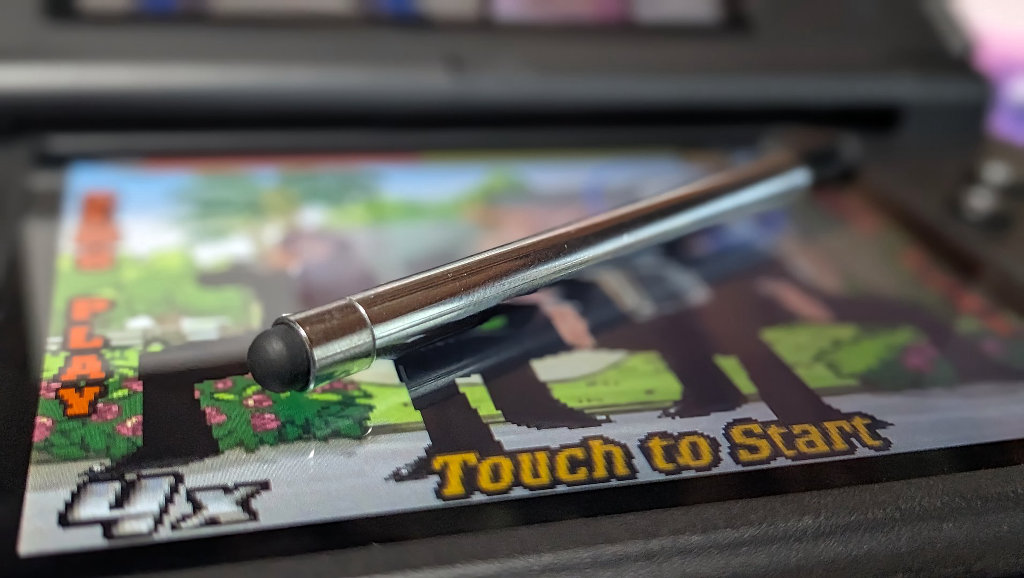
I don’t know if you’ve ever seen a well-worn screen on an original Nintendo DS unit, but those things got scratched to hell by the soft plastic stylus ends. Rubber membranes are a huge quality of life improvement. Considering that many DS titles were actually designed to be used with a stylus accessory, it’s a smart move to add one to the package.
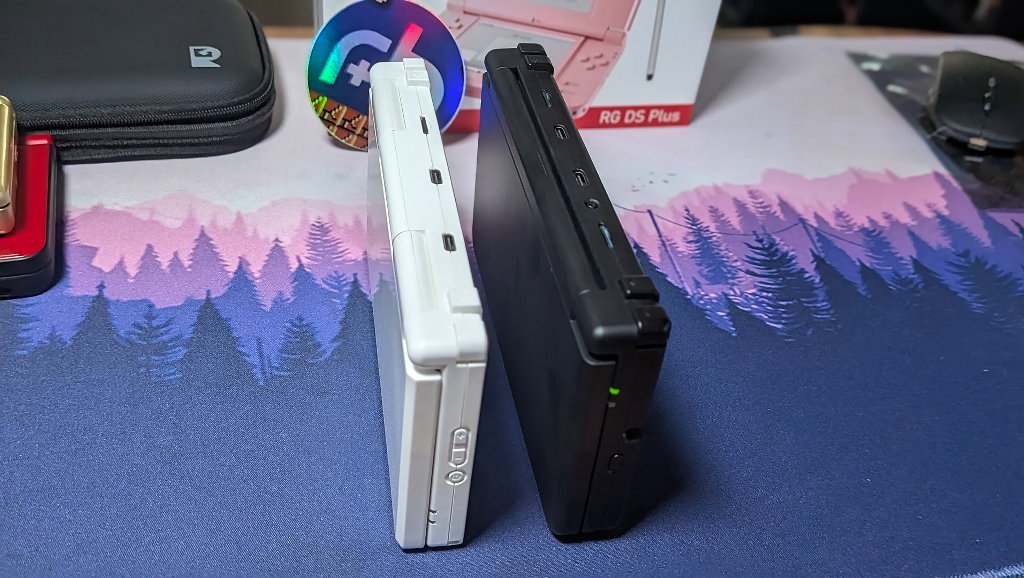
The internal storage eMMC found on the RG DS is gone, replaced by dual microSD card slots (one for OS, another for ROMs). Since we’re booting Linux directly from an SD card, there’s no need for Anbernic to include expensive onboard storage. A win for them, and a clever solution to the ongoing component pricing bizarro world we find ourselves inhabiting.
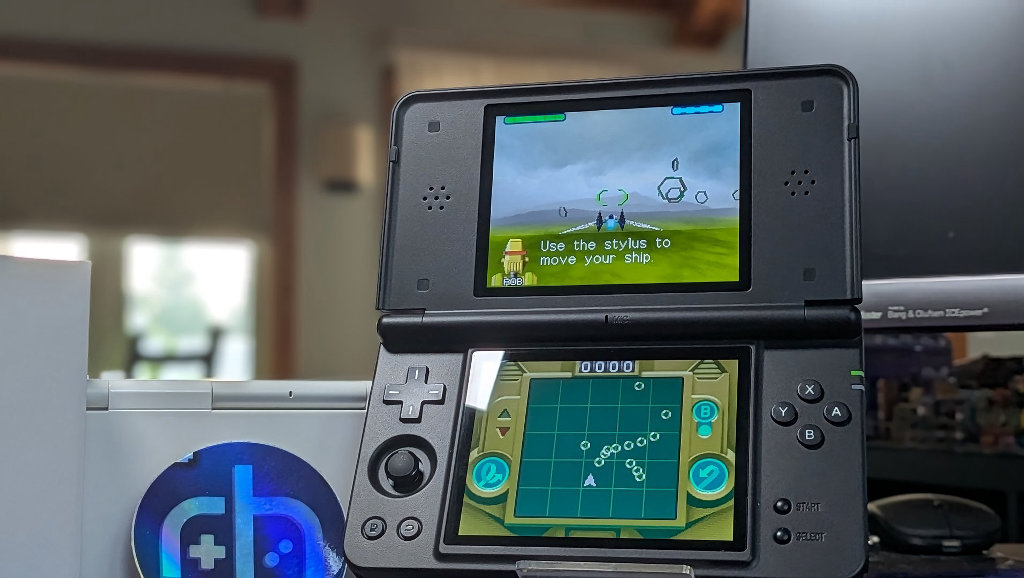
The outer shell on the RG DS Plus may prove divisive depending on personal preferences, but I found its grippier matte plastic case to be a comfort improvement over the shiny high gloss finish of the original RG DS case.
Displays
Screens on the DS Plus are the real attraction in this package. The 4.3″ LCD displays may not be the sharpest on the block overall, but at 1024×768 you’re looking at a perfect 4x integer scale for Nintendo DS games. Assuming that’s why you’re here, that’s good news.
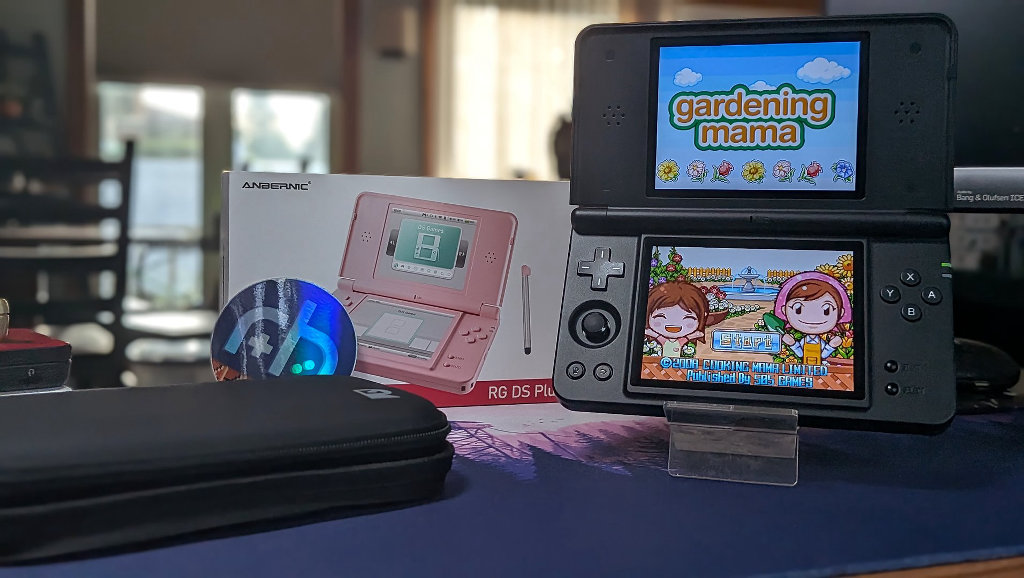
Dual touch screen functionality from the original RG DS has been removed, and like the Nintendo DS itself, only the lower screen on the RG DS Plus registers touch inputs. Something that I looked at with a raised eyebrow at first, but as I made my way around the stock Linux OS package, I realized that an upper touchscreen area would largely be wasted without Android.
Controls
We’re down to a single analog stick – the same recessed style found on the original RG DS. Personally I don’t care for the feel of the stick. Despite the grip design, I found my thumb slipping off regularly in testing. Having said all of that, we’re here for the original Nintendo DS experience, a system that never had an analog stick anyway. It’s a bonus, and I see it as that. There’s not a whole lot that I’ll be playing on this system that would actually necessitate the use of an analog stick over the more than adequate D-pad.
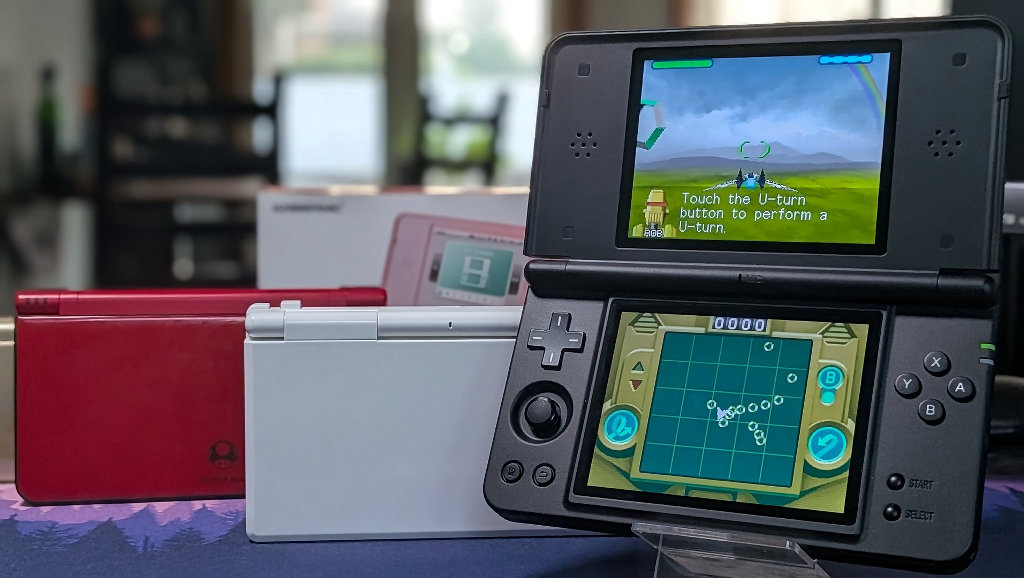
Speaking of the D-pad, it’s quite good. Like the whole handheld itself, the D-pad is slightly larger than what came before it. The new pad is still clicky, but it opts for a smooth-finish design vs the center pivot style that came on the RG DS.
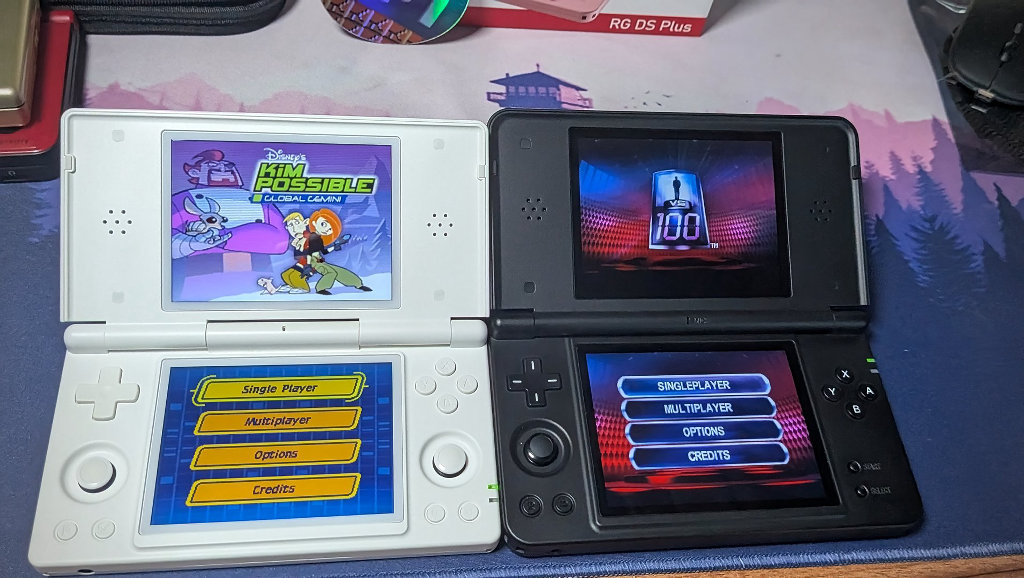
Face buttons are similar to the original, but have a slightly softer touch to them. I don’t know how to best describe the sensation, but sat side by side, the RG DS Plus buttons just feel like a logical extension of the original design. Exactly what a version 1.5 revision device like this should be doing.
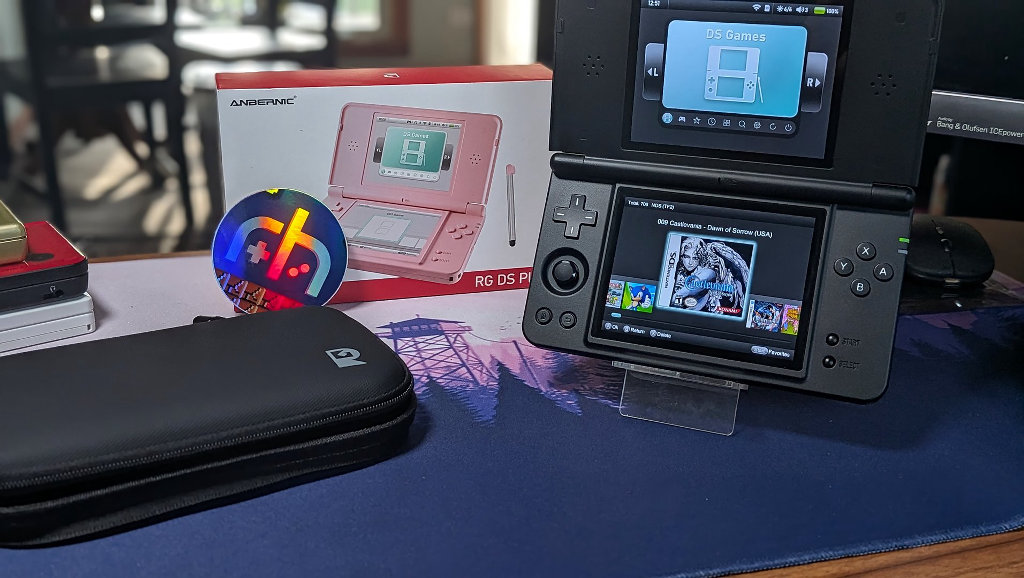
The overall increase in device size just makes the whole control experience more comfortable for meat paws like mine, but my son said he preferred the larger device as well, so I’ll say it remains comfortable for smaller players as well.
Final Thoughts
If the RG DS Plus is going to retail for a cheaper price than the original RG DS, then it’s a total no-brainer. There’s no reason to pay more for the older, lesser device. You don’t need the additional bells and whistles that come with Android. We’re here to play DS games, and this is now the best way to do it before getting into a whole other price category of devices.
$100 or less for a device like this in the fall of 2026? That’s a deal, and a testament to the nimble ability of producers like Anbernic to quickly pivot and react to outside market forces.
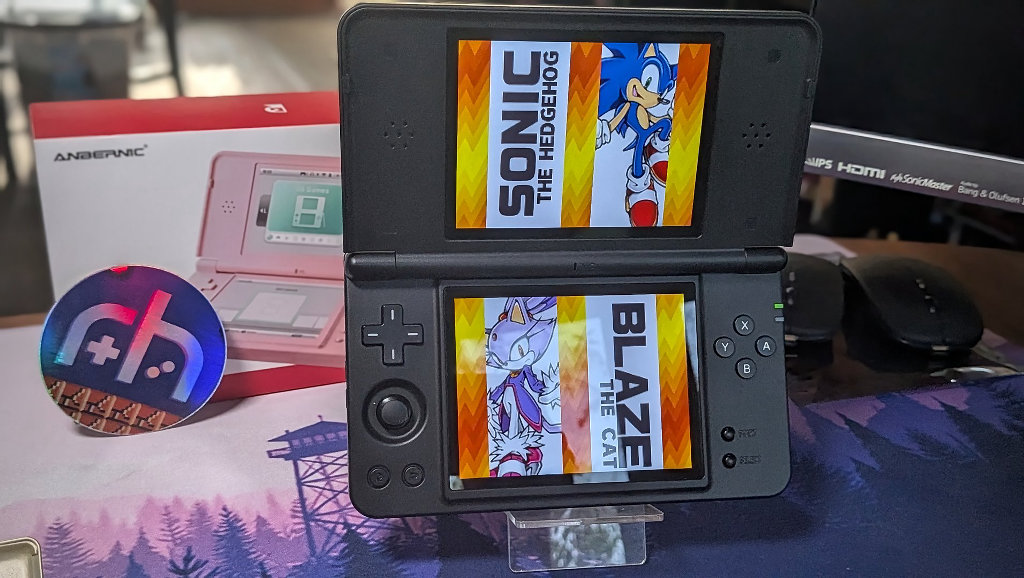
Whether the RG DS Plus is doing enough new things to warrant an upgrade from your original dual-screen Anbernic will have to be up to you, but I’d argue that it does. If you can flip your old device into the new one for minimal spend, I’d say do it.
There are other handhelds out there for 3DS – as a dedicated DS machine, the RG DS Plus now might be the one to beat. Considering the RK3568 chipset and dual SD card setup, I’m guessing that new custom firmwares are probably already on the way, and then we’ll really see how much we can squeeze out of the hardware.
