

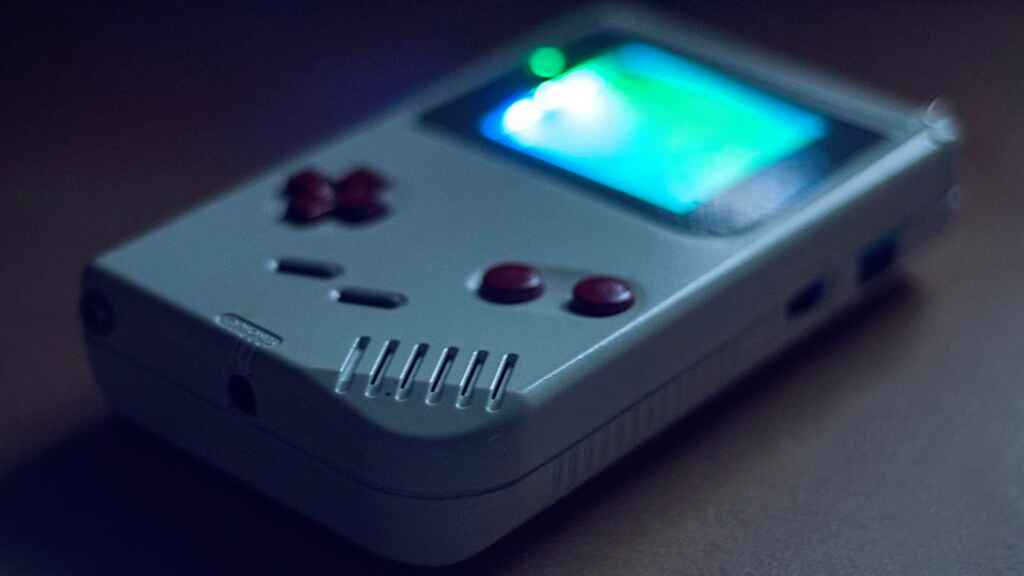
Twenty-five years of curation compressed into a Game Boy cartridge. Dr. Marcel Pflug, the custodian of the Game Boy Museum, has just completed what might be the medium’s most elegantly self-referential project: a database of the entire exhibition pressed onto the format it documents.
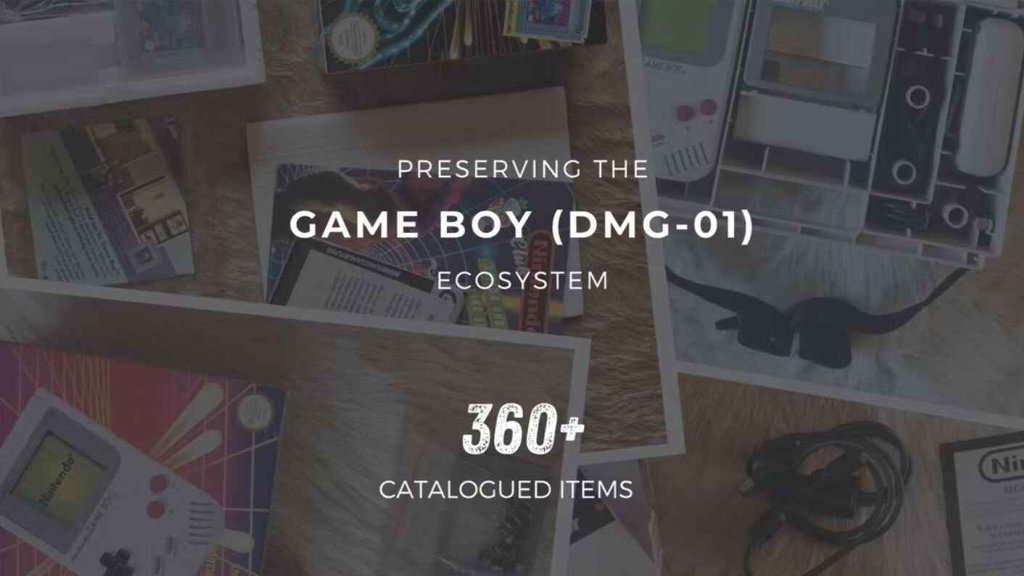
The museum itself has amassed over 360 cataloged items since Pflug began the work. They range across every conceivable iteration of Nintendo’s runaway handheld success: original DMG-001 units, games, accessories, printed ephemera, and all manner of curios accumulated by genuine devotion to the platform. A collection of that scale demands accessibility, but Pflug’s approach to the problem is characteristically clever.
Rather than simply uploading PDFs or static image galleries, he has engineered a complete searchable database that runs on original Game Boy hardware itself. Each cataloged item gets its own entry with written description, and the whole application remains genuinely navigable within the Machine’s constraints. There’s even a built-in search function. That alone deserves respect for its technical economy.
The truly ingenious flourish, though, is the inclusion of QR codes for each artifact. Point your smartphone at the screen, and it instantly connects you to the item’s full entry on the website, complete with photographs and contextual detail.
The ROM itself is entirely free, compatible with both emulators and original hardware alike. Download it to your Everdrive, load it on an Analogue Pocket, or fire it up in an emulator. Fair warning: it contains zero playable games. This is pure archival work, a museum that documents a museum.
What makes this approach remarkable is how economically it captures the ethos of Game Boy preservation itself. A community of devotees squeezing meaning and utility from severely constrained hardware, finding clever solutions where others might surrender to the limitations. The museum object becomes itself a museum. Dr. Pflug’s work isn’t just a catalog; it’s a philosophy about what the platform was and what it continues to mean.
Source: GB Museum
