

Lately, I’ve been covering a lot of games. Like, a LOT. So, to avoid flooding your feed with every cool game that crosses my path, I’m going to start doing weekly recaps in a few categories. This is the inaugural issue of Hacking The Mainframe, where the focus is on fan work: ROM hacks that tune or reinvent classics, and translations that finally make microcomputer smut and Famicom curios readable.
On the ROM hack front, Final Fight Enhanced for Amiga might be the most dramatic rescue job. Prototron’s AGA and ECS reconversion takes the famously poor US Gold port and rebuilds it in 68000 assembly with a wider 320 pixel playfield, new loading routines, options menus, extra moves, enemy behavior tweaks, and more animation and sound work across the board. It runs on 2 MB of Chip RAM with no Fast RAM required, targeting real hardware while getting much closer to the arcade flow than the original release ever managed.
Super Mario World: The Definitive Edition on SNES is more about refinement than reinvention or repair. This patch rolls in bug fixes and quality of life changes for Nintendo’s original, adds separate sprites for Mario and Luigi, updates overworld player graphics, and integrates other improvements to make one “preferred” version of the base game rather than a radical redesign. It is meant as a way to replay SMW with rough edges smoothed out, not a kaizo challenge or content sequel.
F‑Zero Astra Front pushes further into overhaul territory. Built as a large-scale SNES hack, it adds a full new cup, custom tracks, and AI and balance changes that are described as a “fair AI pack” tuned for challenge without rubber band extremes. It targets players who already know the original inside out and want something that feels like an official expansion.
Pokémon – War of Masters on GBA, described as a Final Fantasy Tactics-inspired crossover, is more akin to a homebrew than a romhack, as it is essentially a new game. It repurposes the handheld Pokémon formula into a grid-based tactical RPG structure, pulling in characters across the series and emphasizing formation, skills, and positioning rather than traditional catching and route grinding. The project is at version 6.5 and marked complete, with a lot of iteration behind it.
Megaman 2: Negative Daydream on NES is another difficulty and design remix. It retains Mega Man 2’s core mechanics while introducing new level layouts, enemy placements, and changed weapon balance, designed for players who have already internalized the base game. Stargate SGB Enhanced is also fairly modest but still notable. This hack gives the handheld adaptation of Stargate full Super Game Boy support by adding custom color palettes and a bespoke border, and it draws tiles and palettes from the 16-bit versions to bring it closer to those console adaptations visually. Applied to the original ROM, it lets the game make better use of SNES hardware when run through the peripheral or an emulator.
On the translation side, Project Justice on Dreamcast just received a fan patch for its previously Japan-only board game mode. The patch is a first pass but fully playable; it translates enough of the mode’s text to let players navigate its custom character training board, collect credit points, play minigame battles, and use cards that affect movement and stats. For a long time, this content was locked behind language and mode selection, even for fans of the Rival Schools series.
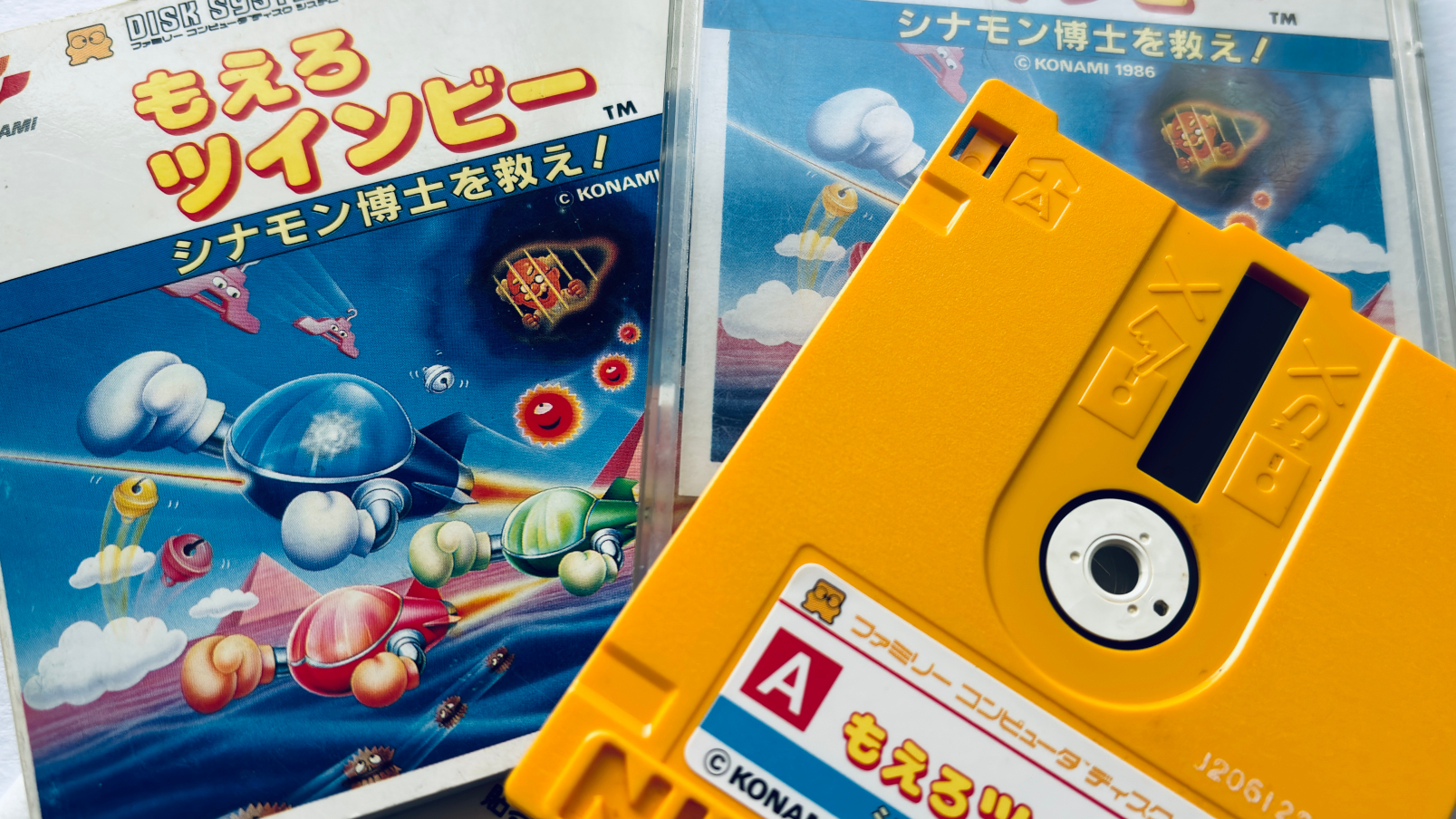
Time Extension reports that Konami’s 1986 Famicom Disk System version of Moero TwinBee is also now playable in English via a fan translation. This Disk System release had its own structure and features distinct from later cartridge versions, and the patch opens it up to non‑Japanese speakers while preserving its original mechanics and progression. It joins a growing list of FDS translations that make those early experiments accessible on flashcarts and emulators.
Hopefully, this first batch is a testament to how active the community side of preservation still is. Official remasters and collections are one path, but ROM hacks, decompilations, and fan translations fill in a lot of gaps, whether that means making a bad port less bad, turning a familiar platformer into a definitive edition, or finally letting people read the rules of a 20-year-old board game mode.

1 Comment
Definitely checking out the Pike Tactics and the Project Justice board game!