

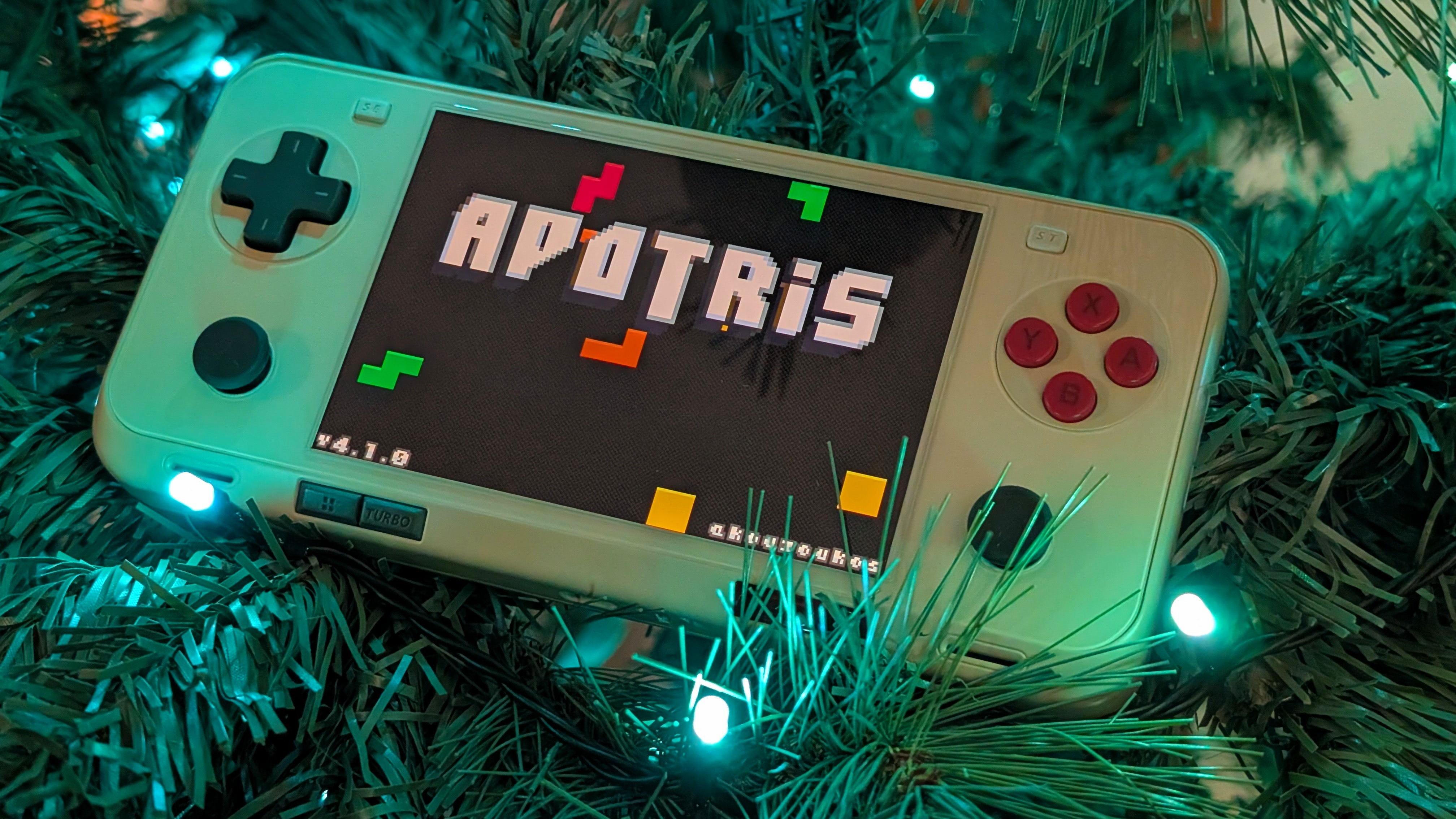
4:3 is the aspect ratio of choice for those looking into emulation handhelds. Genesis, SNES, PS1, Dreamcast, GameCube, PS2; all of which hold the option of using 4:3 natively. Following that, if you can’t get 4:3, you look to 16:9.
PSP, Switch, x86, and just about anything modern is going to fit best with this aspect ratio as well. But what if you want something in the middle ground? While to me 5:3 is going to be that, AYANEO has something that may just appeal to you as well. The AYANEO Pocket Ace and its 3:2 display.
I may be 6 months late, but I’ve got the Retro Power AYANEO Pocket Ace, and I wanted to see if it’s truly “the last handheld you need.” And personally, this might be a spoiler, but my answer is no, but here’s why.
AYANEO Pocket Ace Specs
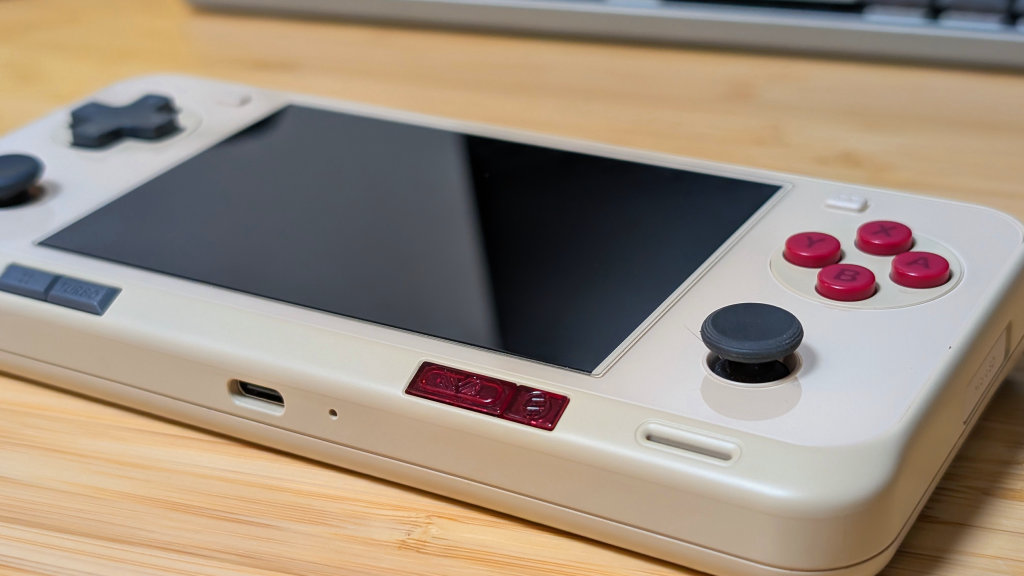
Starting around the $350 mark and stretching all the way to nearly $700, the Pocket Ace is a versatile little device that manages to cover most of your needs almost all of the way. But judging by the specs, is it worth the price?
- CPU: Qualcomm Snapdragon G3X Gen 2
- GPU: Qualcomm Adreno A32
- RAM: 8/12/16GB LPDDR5X
- Storage: 128GB/256GB/512GB/1TB + MicroSD
- Screen: 4.5” 1620×1080 IPS
- Battery: 6000mAh
- OS: Android 13
- Connectivity: Wi-Fi 7, Bluetooth 5.3, USB-C
- Weight: 310 grams
- Dimension: 176 x 82.5 x 18.6mm
[button link=”https://rh-go.link/AYANEO-Pocket-ACE” color=”red” newwindow=”yes”] AYANEO Pocket ACE (Direct)[/button][button link=”https://rh-go.link/AYANEO-Pocket-ACE_Amzn” color=”red” newwindow=”yes”] AYANEO Pocket ACE (Amazon)[/button][button link=”https://rh-go.link/AYANEO-Pocket-ACE_AE” color=”red” newwindow=”yes”] AYANEO Pocket ACE (AliExpress)[/button]
Controls & Ergonomics
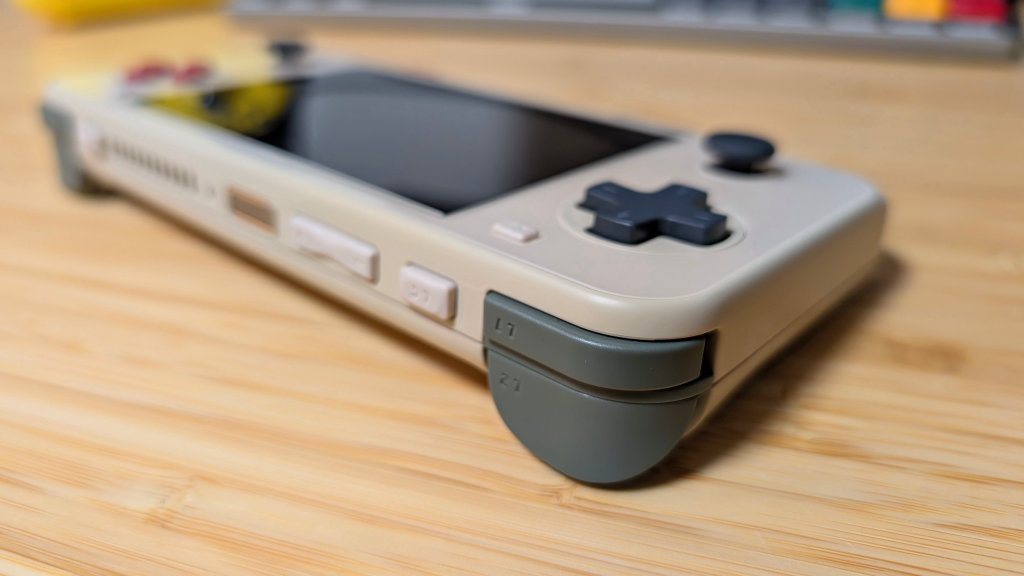
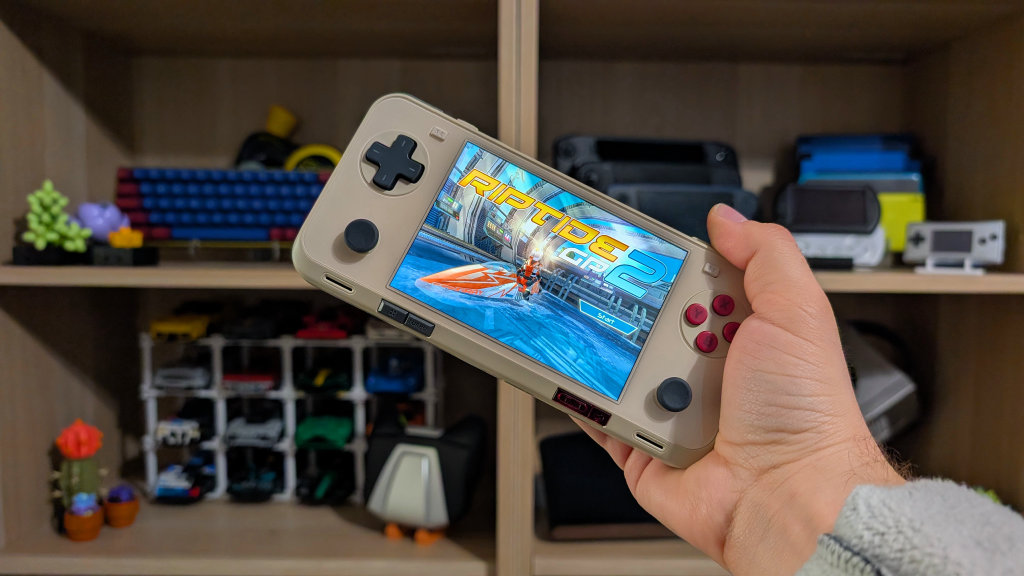
When it comes to ergonomics, the Ace may be a love it or hate device depending on your needs. It’s a majority flat slab of a device with bumps that only are used for the analog triggers.
The soft curves on the front make it more comfortable for your hands, and overall help the handheld. As someone who likes the ergo of the Odin 2 Mini and Retroid Pocket 4, I quite like how the Ace feels. As long as you don’t need the sticks.
Just like the ergonomics, the controls can be a bit hit or miss depending on your preference. The triggers are great, light clicks on the shoulders, with good even travel in the triggers.
The face buttons are nice as well, reminding me of classic devices with a more squishy press to them over the clicky movement of some other handhelds and D-pads. The controls of the Ace feel identical to the Pocket Micro, which for classic games is a much better experience than you’d expect.
The worst part are the tiny sticks. If you need them they’re hard to keep a thumb on and for me at least, make the experience worse. Otherwise, they stay out of the way and that’s okay…for a $400 GBA.
Screen
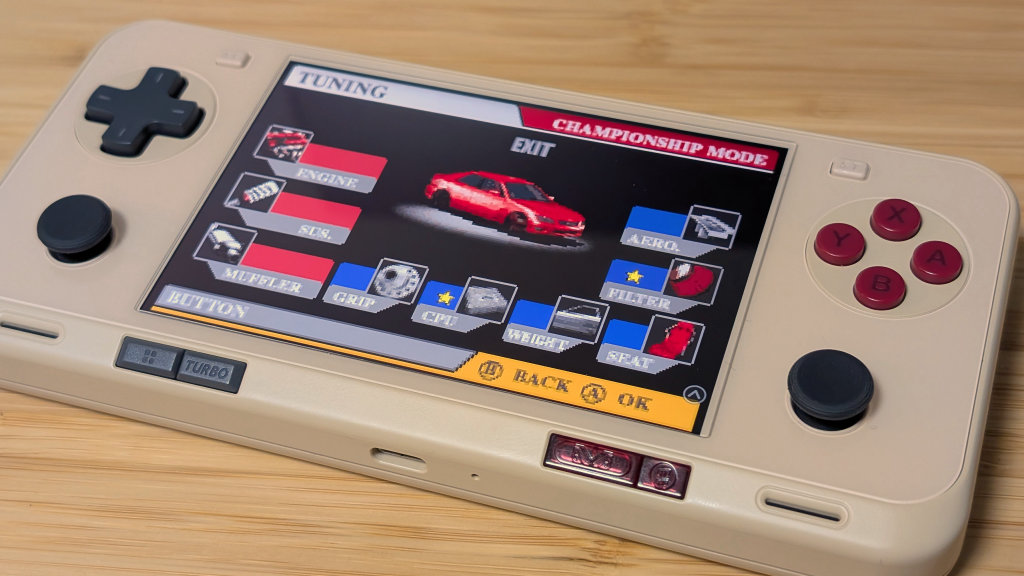
If the 3:2, 4.5” screen sounds familiar, that’s because it’s essentially the same panel as the KTR1. While that handheld was lambasted for poor QC, long wait times, and poor controls among other things, the Pocket Ace takes that screen and puts it into a more complete package.
It’s not perfect for integer scaling GBA, and you’ll get letter boxing on 4:3 and 16:9 content. That being said, it manages to land things right as a solid middleground screen versus other options, and is why I think 3:2 is one of the two ideal aspect ratios for retro handhelds. The other of which being my favorite; 5:3. Man I miss the RG552 display.
Software
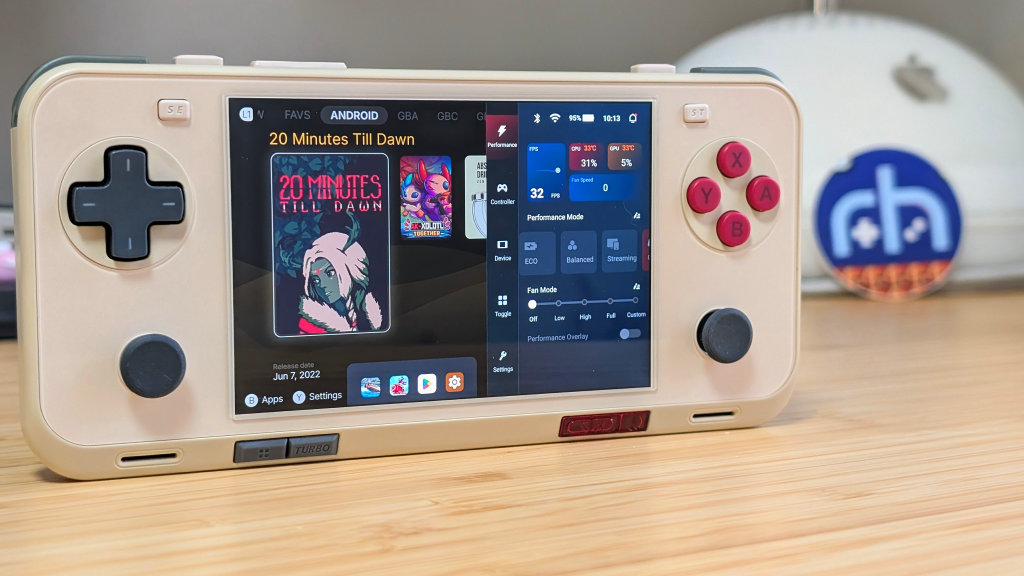
I’m gonna keep this one short and simple. The Ayaneo space software on Android is completely tolerable and fine. I never use it outside of basic things like updating my software or changing my performance profile.
The AYANEO button works as expected no matter where I’m at in the Android 13 based software, and they really feature anything you need to make sure this handheld works in your favor. I don’t like using it, but as far as software goes, I’ll use it. Just know Beacon is the front end I’ll use instead.
Performance
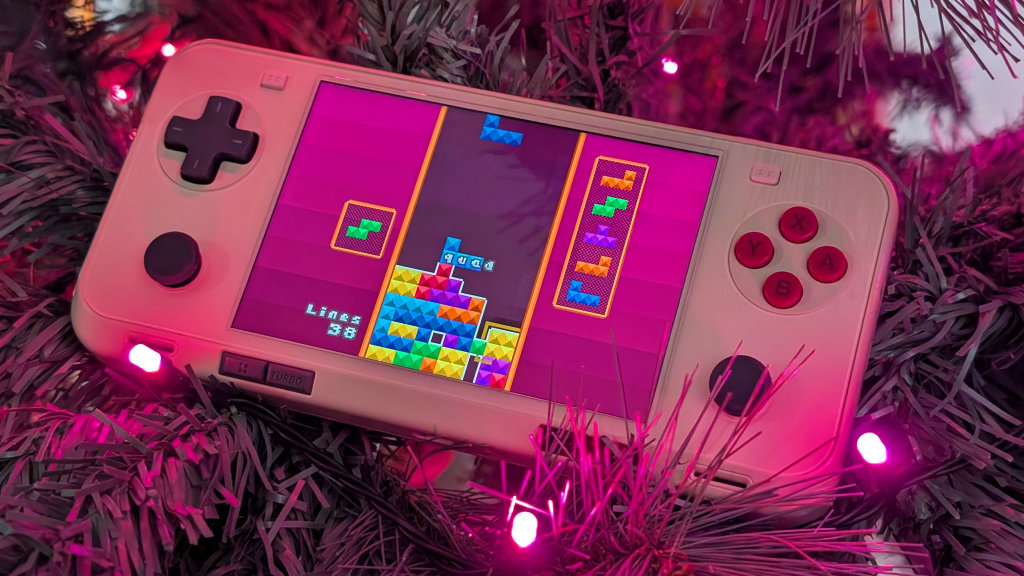
It’s basically a slightly upped 8 Gen 2. That means you’re getting essentially everything up to Nintendo Switch and then some. When it comes to x86, my Indies like to launch just fine. Parking Garage Rally Circuit and Easy Delivery Co run nicely and give an overall pleasant experience when playing.
When digging into Switch like Mario Wonder has the black bars on the top and bottom. GameCube has black bars on the left and right. But all of it works, and it works well. Performance is not a personal concern on something like the Pocket Ace, but if you’re spending this much money you shouldn’t have to worry about power anyways.
If you’re going to use those sticks regularly, I think there are better options. However if you’re primarily using the D-pad, this might be the better one for you.
Competition
There’s competition in all categories against the Ace, but I’m gonna cover them one at a time.
3:2
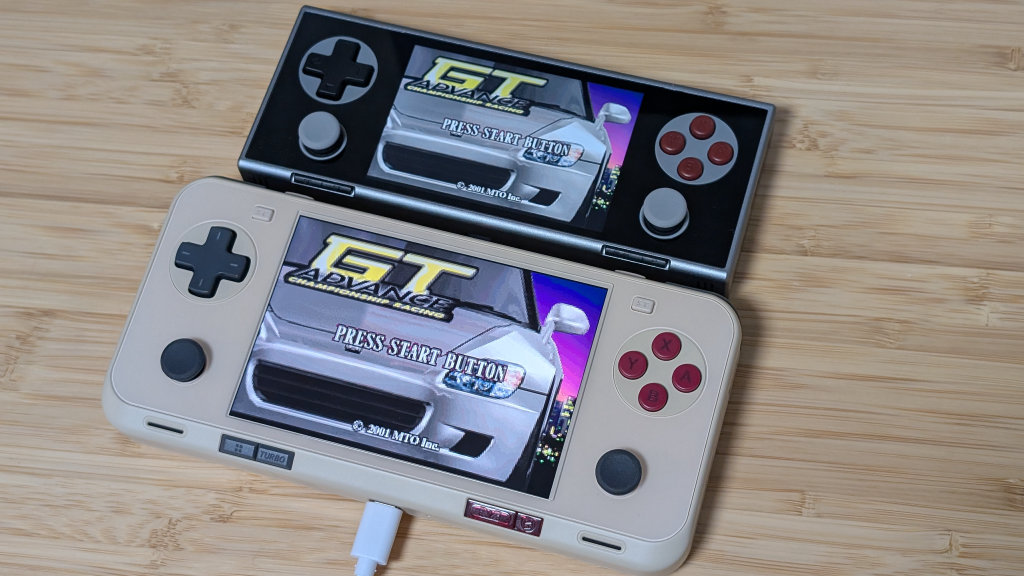
3:2 handhelds are first. There’s not many of them, and most of which are going to be cheaper. The AYANEO Pocket Micro/Classic, the Anbernic RG34XX/XXSP, Powkiddy V10, and KTR1 are the main 3:2 competition. That being said, you either get bottom end performance in the Anbernic or Powkiddy options, a smaller display in the Pocket Micro, or One Man Show QC in the KTR1.
As a whole, the Ace is a better complete package, but if you’re purely after Game Boy Advance, the 34XX SP is going to be my recommendation at a much lower price. And the Pocket Micro as the alternative if you at least want something premium feeling for less.
Performance and Price
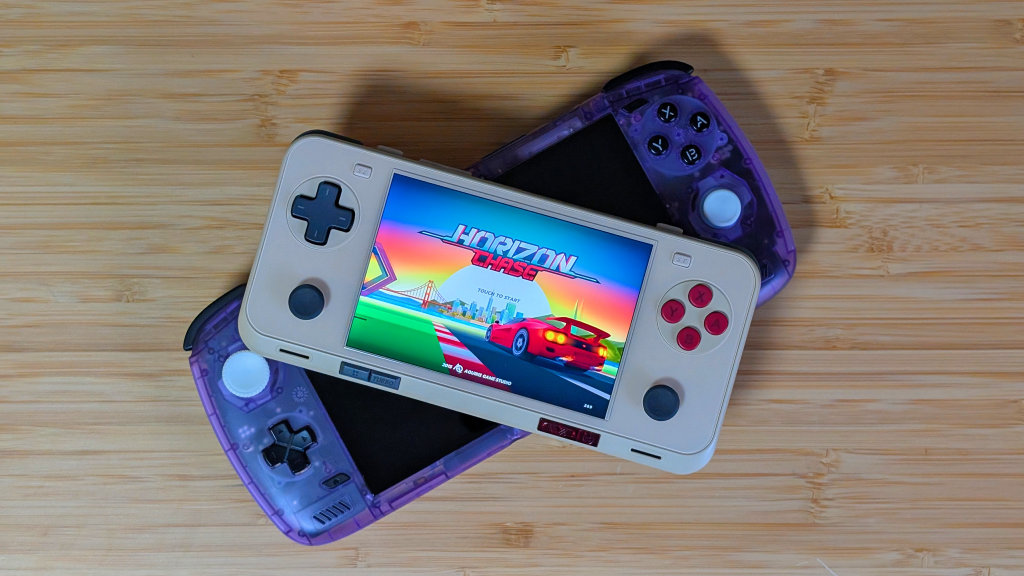
Ayaneo has a whole range of G3X Gen 2 handhelds. The Pocket Evo, the Pocket DMG, and the Pocket DS all come to mind. However, they’re all going to have different form factors, and depending on the games you want to play, the answer becomes obvious. On the alternative chip options, the 8 Gen 2 in the Odin 2 line will give you better value as a whole, and may be more comfortable.
Looking in the same price as the G3X Gen 2, you can get an 8 Gen 3 in the Konkr handhelds recently announced, or an 8 Elite in the Odin 3. Both of these are going to perform better, but to some, the improvement won’t make much of a difference in what you play day to day. For $300+ there are a lot of better options for the price. And at $600 you can get a few x86 handhelds at that price point.
Final Thoughts
The Pocket Ace is the ugly step child. The Ugly Stepsister? The Momma Bear of handhelds? It’s a middle ground handheld that tries to be a jack of all trades, but a master of one. Its screen isn’t ideal for 4:3 or 16:9 content. But GBA or 3:2 is perfect.
The controls aren’t ideal for modern systems, and the triggers aren’t fully needed for retro. But they feel great for GBA. At its price, there are a lot of handhelds that will do just as well for D-pad-centric systems for a lower price, and there are more performant options for the same price or more.
The Pocket Ace is a middle-ground handheld that’s still worth it if you’re a GBA person at heart. That being said, if you are fine with a smaller screen or less power, I totally recommend the Pocket Micro instead. You don’t need this much GBA in a handheld, but it totally fills the role if you need it. I think I’m gonna keep mine a bit longer, GT Advance calls me for more.
[button link=”https://rh-go.link/AYANEO-Pocket-ACE” color=”red” newwindow=”yes”] AYANEO Pocket ACE (Direct)[/button][button link=”https://rh-go.link/AYANEO-Pocket-ACE_Amzn” color=”red” newwindow=”yes”] AYANEO Pocket ACE (Amazon)[/button][button link=”https://rh-go.link/AYANEO-Pocket-ACE_AE” color=”red” newwindow=”yes”] AYANEO Pocket ACE (AliExpress)[/button]
What did you think of this article? Let us know in the comments below, and chat with us in our Discord!
This page may contain affiliate links, by purchasing something through a link, Retro Handhelds may earn a small commission on the sale at no additional cost to you.
