

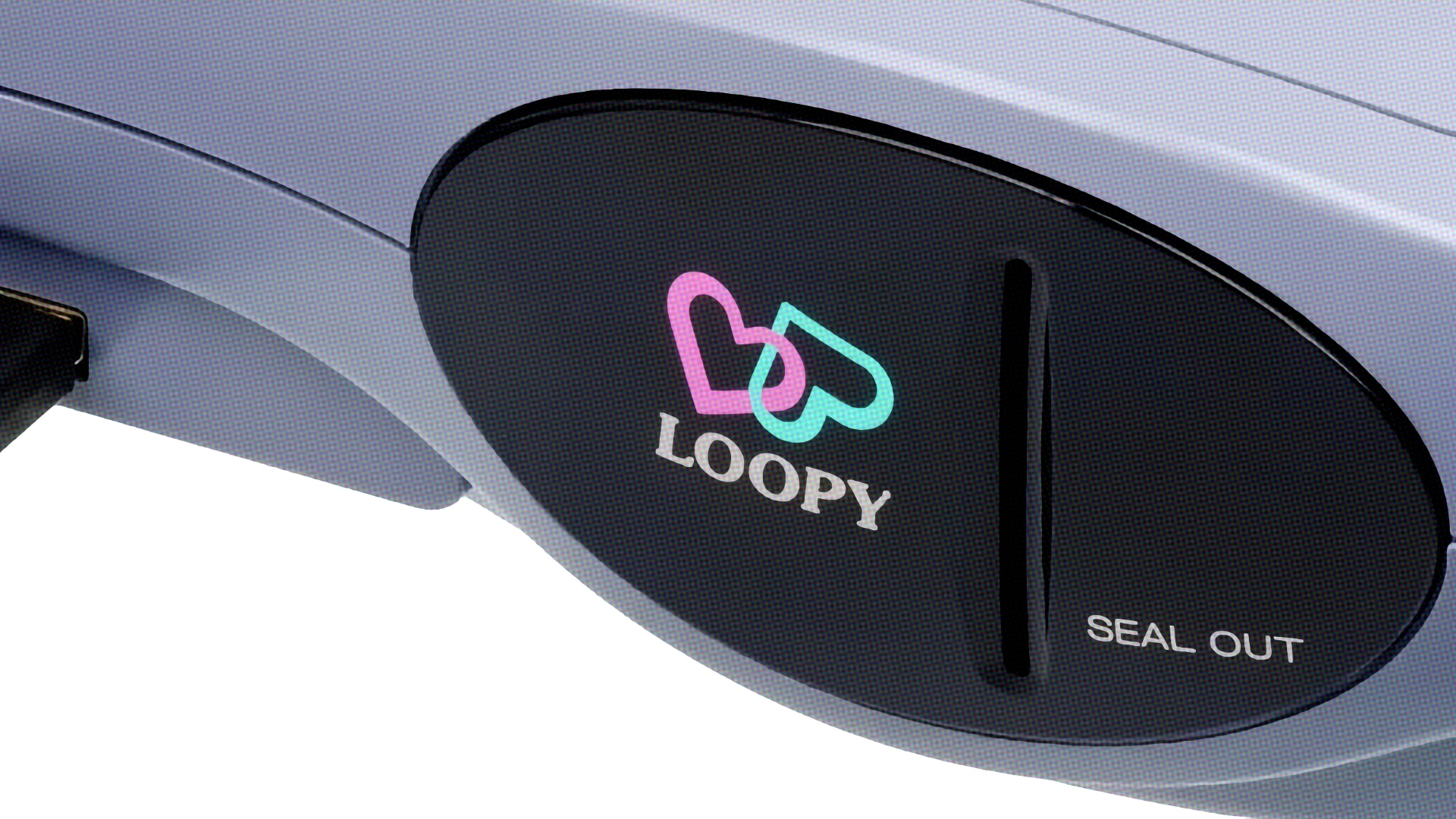
During the middle of one of the most competitive eras in console history, Casio surveyed the battlefield of PlayStations, Saturns, and Super Nintendos and decided to do something no one else would have attempted:
They released a video game console designed specifically for young girls. Not a reskinned Super NES, not a Barbie-themed plug-and-play, but a real console with its own hardware, its own library, and its own defining feature:
That feature was a built-in thermal sticker printer.
This was the Casio Loopy, a purple and lavender machine that looked like a friendly household appliance. While Sony and Sega were bragging about 3D polygons and arcade power, Casio proudly advertised the Loopy’s ability to create custom art, decorate diaries, and generate stickers of in-game characters. Interestingly, this was not Casio’s first attempt at breaking into the console market, and it was met with roughly the same level of success.
The hardware itself launched in 1995, and by all measures, it was modest. It used a 32-bit processor, but performance sat closer to last-generation 2D consoles. The graphics were usually bright, and the color palette was exclusively cheerful, but the real star was the printer, which could output small, glossy stickers from a roll of thermal paper. This provided the Loopy with an identity no other console could match. It also created an immediate problem. Stickers are fun, but they are not a substitute for a library of compelling software.
The Loopy launched with a lineup focused heavily on creativity, fashion, romance stories, and light simulation games. Titles included Dream Change: Kokin-chan’s Fashion Party, Anime Land, and Wanwan Aijou Monogatari. These were, by most accounts, not bad games; they were just extremely specific, and the entire library ended at ten retail releases.
Casio tried to expand the system’s appeal with an optional MagiCard, an accessory that let players capture images from a TV feed and turn them into stickers. This was clever, but no one quite knew how to use it. Was it a console? A craft machine? An art toy? A video capture device for scrapbooking? The market shrugged and bought a PlayStation.
The Loopy never left Japan, and it survived for only a short time before disappearing quietly from store shelves. It did not fail because it was incompetent; it failed because Casio created a console that was too specialized for a market that demanded broader entertainment. The idea was charming, the execution sincere, and the hardware surprisingly fun, but the audience was too small and the competition too overwhelming.
Today, the Loopy has become a beloved oddity among collectors. It stands out in a landscape dominated by macho marketing and tech arms races. It is bright, wholesome, and utterly unique. You can plug in a Loopy today and still print a sticker of your gameplay! No other console can claim that.
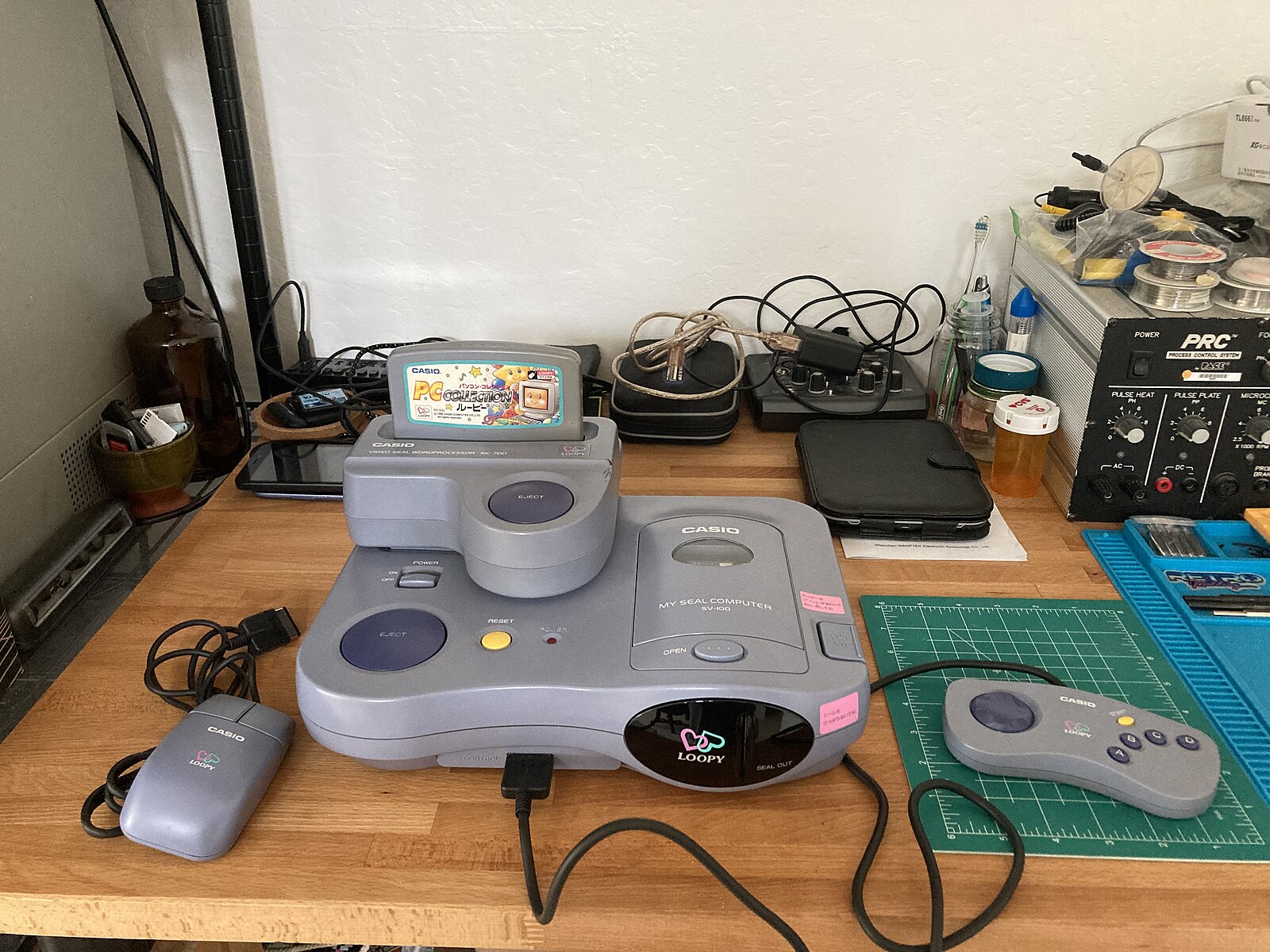
The Loopy never tried to win the console war. It tried to brighten someone’s notebook, trapper keeper, or locker, and in the end might be the most wholesome failure of all.
What did you think of this article? Let us know in the comments below, and chat with us in our Discord!
This page may contain affiliate links, by purchasing something through a link, Retro Handhelds may earn a small commission on the sale at no additional cost to you.
