

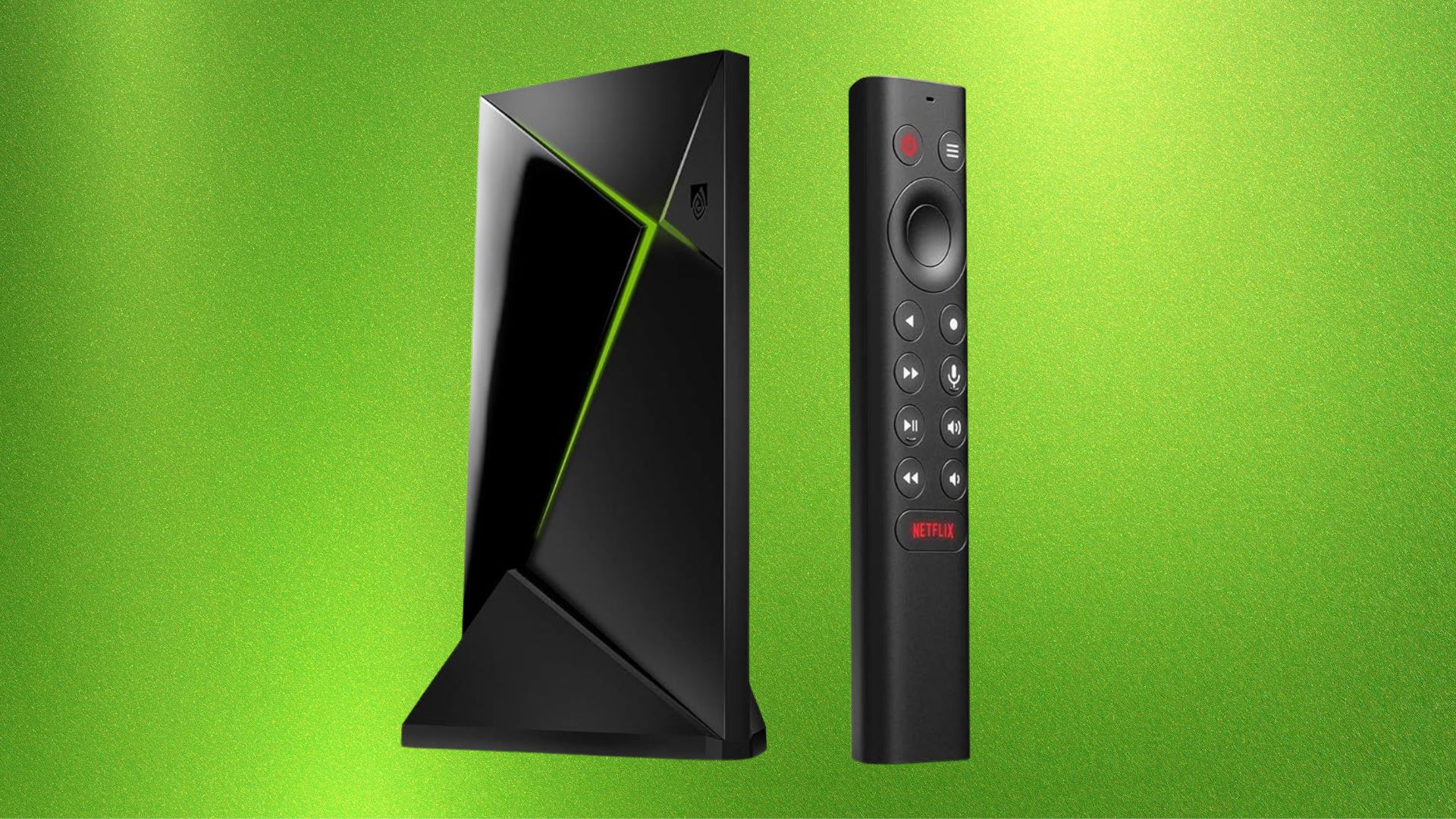
Nvidia’s Shield TV just hit a milestone that makes most Android phones look bad: a decade of active, meaningful updates on essentially the same hardware. Ars Technica’s deep dive into the box’s 10-year run traces how an Android TV streamer from 2015 ended up as arguably the most consistently updated Android device ever made.
Back when the first Shield TV launched, most Android devices were lucky to see one or two major OS bumps before being abandoned. NVIDIA, by contrast, has pushed the 2015 and 2019 Shield models through Android version upgrades, multiple rounds of security patches, codec additions, and feature updates for ten years, even as the Tegra X1/X1+ under the hood aged out of things like newer DRM and AV1 decoding.
Andrew Bell, Nvidia’s SVP of hardware engineering, tells Ars that Shield was always a bit of a “selfish” project. Employees wanted a high-end TV box that wasn’t in Apple’s ecosystem, and CEO Jensen Huang effectively told the team they could “support the device for as long as we shall live.”

The article digs into how that long tail actually worked. Supporting the platform meant not just shipping Android point releases, but rebuilding security stacks, keeping up with Google’s evolving Android TV/Google TV requirements, and constantly patching the video pipeline so the box could handle new streaming formats and services without breaking existing apps. NVIDIA also saw Shield as a way to learn “full stack” system design, tying together GPU, CPU, OS, UI, and cloud services like GeForce Now and GameStream.
As for the future, Bell doesn’t announce a Shield 3, but he doesn’t rule it out either. NVIDIA is still manufacturing the current 2019 units because “the same number of people come out of the woodwork every week to buy Shield,” and Bell says they’re always experimenting with new concepts in the lab. If they do greenlight a successor, he hints that it would prioritize modern video features like AV1 and HDR10+ support and rethink annoyances like the oversized Netflix button on the remote. Until then, the takeaway is simple: in a world where “seven years of updates” is a brand-new brag for phones, Nvidia’s aging little Tegra box has already shown what long-term Android support can look like when a company actually commits.
You can still buy the Shield TV and Shield TV Pro starting at $149, a very worthwhile investment.
Source: Ars Technica
What did you think of this article? Let us know in the comments below, and chat with us in our Discord!
This page may contain affiliate links, by purchasing something through a link, Retro Handhelds may earn a small commission on the sale at no additional cost to you.
