

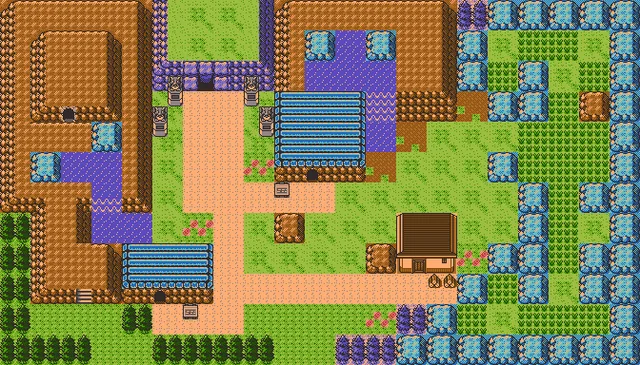
Pokémon Crystal Inheritance, a ROM hack of the Game Boy Color classic built by developer dwg, has reached its full v1.0 release. The hack had been in beta since January and clocked over 1,000 downloads before its official launch, which arrives with a full suite of quality-of-life updates and a polish pass befitting a finished product.
The premise leans into Pokémon Crystal’s existing relationship with time travel. When Ilex Forest comes under threat, Celebi pulls the player back into a historic version of Johto, and the story splits across two timelines. In the past, a power-hungry Emperor named Mejimi and his three generals exploit a crisis to tighten their grip on the region.
In the present, Johto’s gym leaders are grappling with a changing world. Rather than chasing badges, the player’s goal is to unite Johto against a threat to its future. Two possible endings mean the choices made along the way carry some weight.
The feature list is massive. Inheritance is built on the foundation of the excellent Polished Crystal 3.0.0, which already brings modern conveniences like the Fairy type, the Physical/Special split, natures, unlimited TMs, and running shoes to the GBC engine. On top of that, the hack adds a custom Pokédex of 254 entries, pulling in Sinnoh and Hisuian Pokémon alongside two original fakemon: Keeper Noctowl and Minsir.
There is also a reworked Apricorn system that lets players craft five new Pokéball types from overworld materials, a Hidden Palette system that allows NPCs to adjust a Pokemon’s DVs for unique appearances and hidden power types, and a series of overworld puzzles built around exploiting the time travel mechanic.
Difficulty options run from Easy through to Expert, where bosses field full teams of six with coverage moves and maximised EVs. A Nuzlocke mode is baked directly into the options menu. The entire Pokedex can be caught in a single playthrough.
The hack is available to patch via Hackdex, which handles the patching process and requires players to supply their own Pokémon Crystal ROM. Full documentation, including level caps, encounter tables, and item locations, is hosted on GitHub.
Source: GBATemp
