

The indie and AA space keeps churning out surprises, whether it’s heists with a conscience, cooking rhythm combat, or cat-breeding roguelites powered by RNG and feline genetics. This month’s slate runs the gamut from Edmund McMillen’s return to form to PlayStation’s sprawling State of Play showcase, which dropped enough announcements to fill a hard drive.
The Indie Front
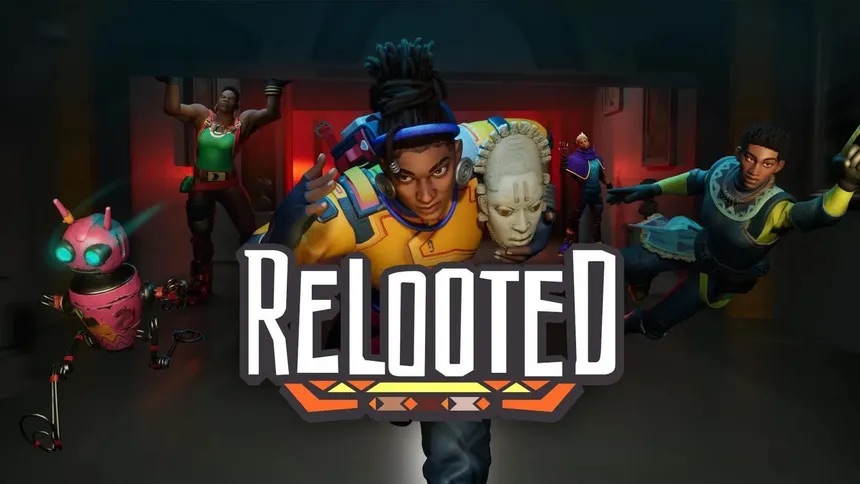
Relooted flips the heist genre on its head by turning crime into repatriation. Instead of stealing for profit, you play as a team reclaiming African artifacts looted by colonial powers and returning them to their rightful owners. The game blends puzzle-platforming with stealth mechanics, requiring careful planning to infiltrate museums, dodge security, and extract pieces of cultural heritage without getting caught. It’s part Monaco, part political statement, and it launched on Steam and Game Pass with enough positive buzz to suggest the concept resonates beyond its novelty. The writing leans into the moral weight of the premise without getting preachy, letting the act of returning stolen history speak for itself.
Dosa Divas is a cooking rhythm RPG where you prepare South Indian cuisine to the beat while managing turn-based combat encounters. The game demands precise timing for dosa flips, masala mixing, and plating, with missed beats resulting in burned food and weakened stats for battle. Combat itself borrows from traditional JRPGs, but your performance in the kitchen directly impacts your party’s effectiveness, creating a feedback loop where rhythm mastery becomes survival. The visuals are vibrant and unapologetically colorful, leaning into the sensory overload of a busy kitchen while the difficulty curve punishes sloppy timing.
Mewgenics marks Edmund McMillen’s return to the roguelite grind with a game about breeding cats, managing their genetics, and competing in bizarre tournaments while dealing with the realities of cat poop, illness, and mortality. The genetic system is deep enough to support min-maxing, with traits passing down through generations and mutations introducing unexpected variables. You breed cats for specific stats, enter them into competitions, and watch as they age, die, or produce offspring that inherit their abilities. The art style is vintage McMillen, all grotesque charm and lo-fi sprites, while the strategic depth rivals some farming sims.
Dead Pets is a punk rock slice-of-life sim about managing a struggling band while dealing with the mundane realities of adulthood. You juggle rehearsals, gigs, relationships, and day jobs, trying to keep the dream alive while rent comes due and bandmates threaten to quit. The game leans into the Bojack Horseman school of melancholy comedy, mixing dark humor with genuine emotional stakes as you navigate the tension between artistic passion and practical survival. The art style is lo-fi and expressive, capturing the DIY aesthetic of underground punk scenes, and the soundtrack features original tracks that mirror the band’s trajectory from garage rehearsals to basement shows. It’s less about winning and more about enduring, with failure baked into the premise as a legitimate outcome.
Zero Parades is ZA/UM’s attempt at a Disco Elysium successor, following a retired spy trying to rebuild a life after decades of clandestine work. Early footage suggests the same dense writing and politically charged themes, though whether it captures the original’s lightning-in-a-bottle energy remains to be seen. A demo drops during Steam Next Fest, giving players a chance to gauge whether ZA/UM can recapture what made Disco work without the original creative leads.
Steel Wake is a free mech FPS roguelite that borrows heavily from Titanfall‘s movement and combat DNA. The demo includes wall-running, double jumps, and fast-paced mech combat across procedurally generated levels, with each run offering randomized loadouts and upgrade paths. It’s rough around the edges but functional, targeting the niche of players who want Titanfall mechanics without the baggage of EA’s live-service infrastructure.
The Dark West pitches itself as a hardcore action RPG set in a supernatural Wild West, blending Soulslike combat with Western tropes. Early footage shows tight melee combat, dodge rolls, and stamina management against grotesque frontier enemies. The setting leans into gothic horror filtered through dusty saloons and canyon shootouts, though details on story and progression systems remain sparse. It’s aiming for a spring 2026 release, positioning itself as a niche alternative for players burned out on medieval fantasy Soulslikes.
Dragonkin: The Banished exits Early Access on March 19 with a full four-chapter campaign, endgame content, and a robust character progression system called the Ancestral Grid. You play as one of four dragon hunters using a puzzle-like skill grid to create synergies and optimize builds for wave-based combat. The game emphasizes customization, letting you place abilities strategically on the grid to unlock combos and passive bonuses. Early Access feedback led to balancing passes, new biomes, and expanded enemy variety, with the 1.0 release promising significantly more content than the initial chapters.
Virtuoso: Skins Game is a Y2K-era inspired golf game dripping with Space Channel 5 and Jet Set Radio aesthetics. The game supports up to four players online, competing in tournaments across futuristic courses with cel-shaded visuals, bright blue skies, and course gimmicks like bribes and upgrades to swing outcomes in your favor. Between rounds, players hang out in a shared resort hub, placing bets with fake currency and customizing characters with anime-inspired gear. It’s targeting the same nostalgic vibe as Bomb Rush Cyberfunk but filtered through golf mechanics, though no release date has been announced.
Directive 8020 is Supermassive’s next Dark Pictures entry, launching May 12 after a substantial delay out of last year’s Halloween window. The sci-fi horror title supports single-player and up to five-player couch co-op at launch, with online multiplayer arriving in a free post-launch update. Pre-orders unlock a Deluxe Edition upgrade with outfit packs, cinematic filters, a digital soundtrack, and an artbook. The game uses Unreal Engine 5, marking a technical leap for the series with denser visual details and more complex level design.
Mixtape is a point-and-click adventure set in the ’90s, following three high school friends on their last night together before graduation. The game blends traditional adventure mechanics with fourth-wall breaks, low frame rate animation for a stylized TV show aesthetic, and a licensed soundtrack featuring Devo, Silverchair, The Smashing Pumpkins, and more. The presentation prioritizes vibes over interactivity, with some chapters feeling closer to interactive shows than games, though the needle drops and nostalgic tone pull players through the quieter moments.
The spread this week runs from politically charged puzzle games to rhythm-cooking hybrids, cat genetics simulators, and nostalgic golf with Y2K aesthetics. Some of these will find their audience and stick around. Others will get lost in the noise of constant releases, buried under algorithm churn and the next wave of announcements. What ties them together is a willingness to operate outside established formulas, whether that means making heist games about repatriation, turning dosa preparation into combat stats, or asking players to care about feline genetic inheritance across generations. The market keeps rewarding weird swings, so expect more of them.
