

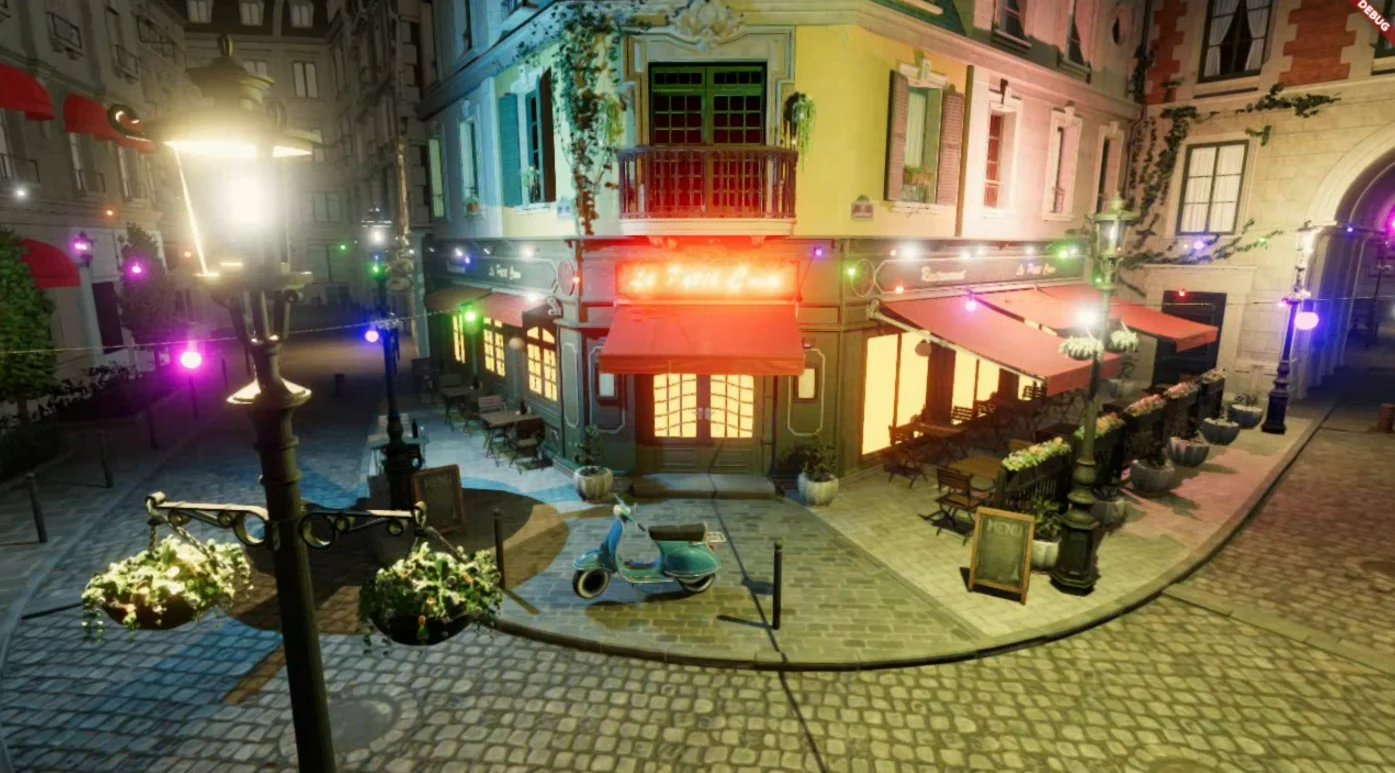
Toyota (yep, that one) just announced it’s building an open-source, console-grade game engine called Flourite, aimed at running slick 3D graphics on low-power, embedded hardware like in-car displays. It’s not exactly gunning for Unreal, but it could mean big things for mobile devices and retro handhelds, if adopted.
Flourite is being developed by Toyota Connected North America and is tightly tied to Flutter and the Dart language, with game logic and UI both written in Dart while a C++ ECS core handles the heavy lifting under the hood. The idea is to squeeze proper 3D scenes and interactive interfaces out of hardware that usually struggles to do more than a laggy map and a volume slider. They’re using Google’s Filament renderer and “modern, console-grade graphics APIs” to hit that sweet spot between pretty and efficient.
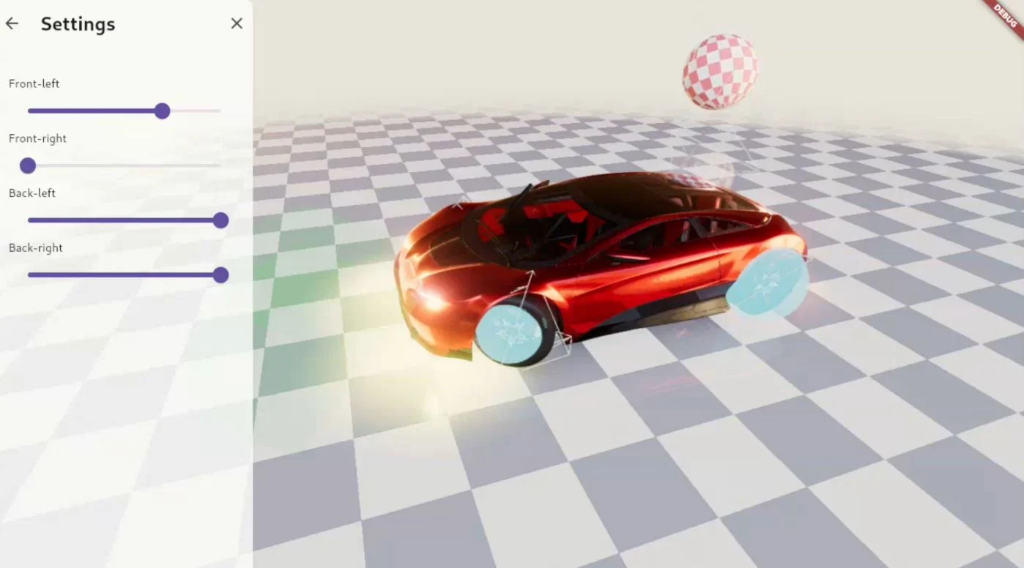
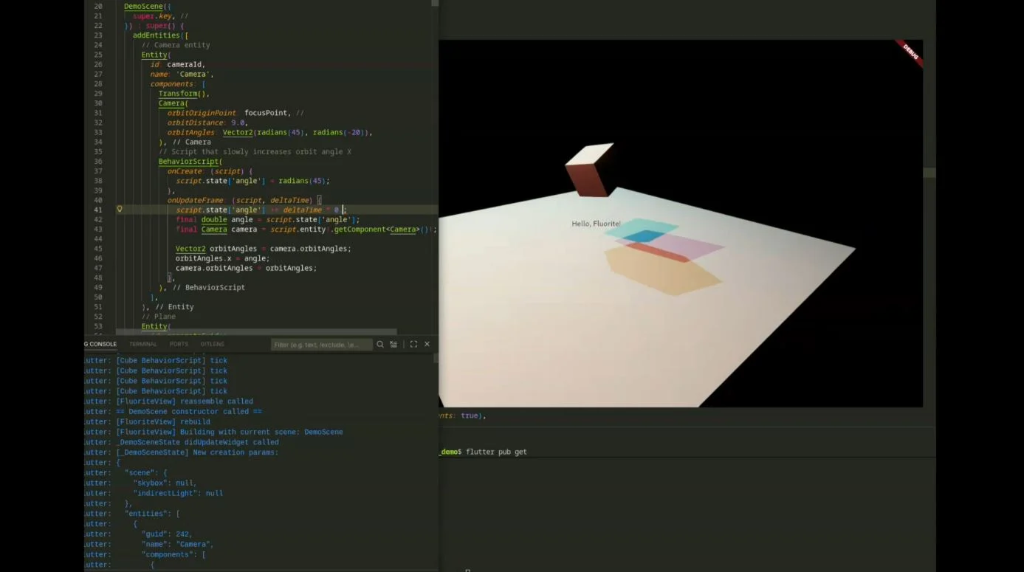
There are a few genuinely interesting engine tricks here. Artists can define clickable zones directly in Blender and wire them up later, which sounds tailor-made for 3D dashboards, HUDs, or even cockpit-style UI on tiny Linux boxes. Flourite also supports Flutter’s Hot Reload, so devs can make changes and see them reflected in just a few frames.
Toyota’s reasoning for jumping into this world is apparently rooted in the licensing fees and resource demands of modern engines. Officially, it’s for car dashboards, but nothing stops people from pointing this at cheap single-board computers, custom handhelds, or other low-end toys, assuming the tooling doesn’t feel like a corporate science project.
Is this the next big thing for small devices? An open, car-grade engine tuned for weak hardware is exactly the kind of unexpected tool that homebrew tinkerers adopt, bend out of shape, and make far more interesting than the original brief.
Source: Automaton Media

1 Comment
As a motorcycle rider, I have to say WTF. Bad enough riding and seeing so many people glued to phones / screens. Why increase the chance someone will be playing games, be distracted and kill someone?