

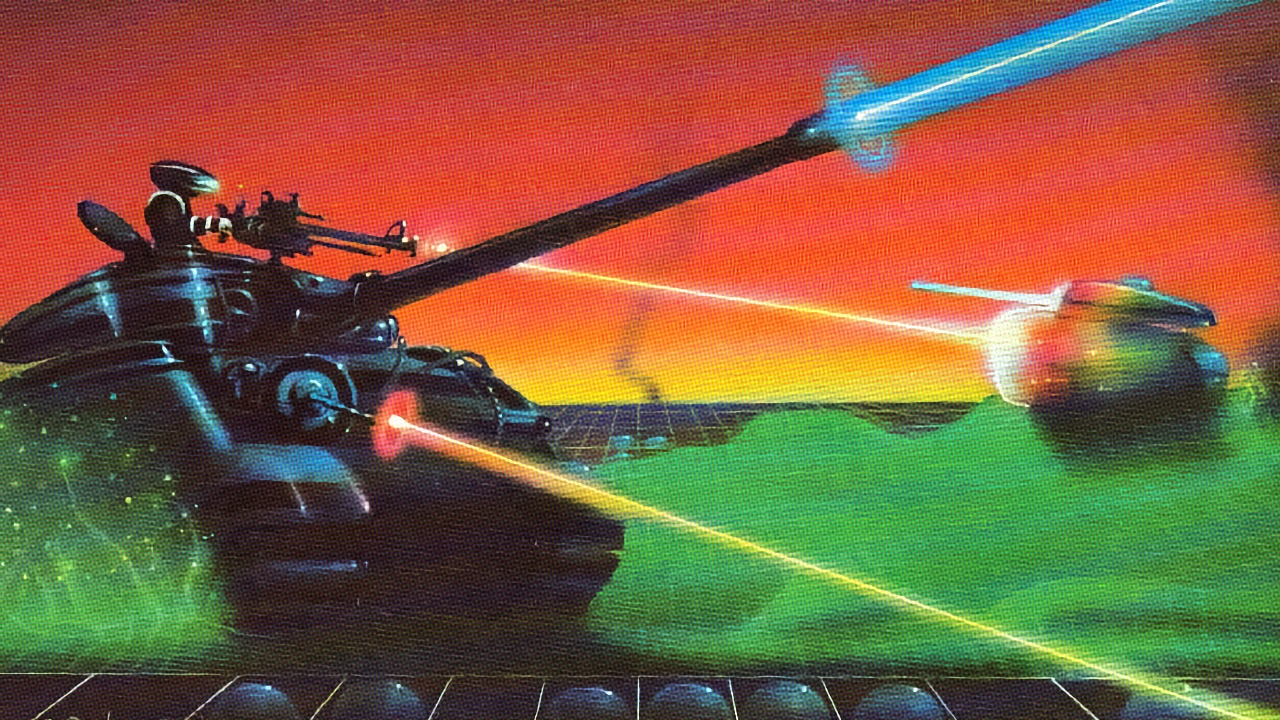
Vintage computing enthusiast Cameron Kaiser has released Oblast, a sophisticated reimagining of the 1978 Gremlin arcade game Blasto for the Commodore 64. The free game dramatically expands upon its predecessor’s simple maze-and-mine formula while working within the beloved platform’s hardware constraints.
Oblast addresses many of the original Blasto’s limitations through clever programming. While programmer Bill Blewitt originally squeezed Blasto’s code into just 2K of ROM, Oblast leverages the C64’s capabilities to offer 384 procedurally generated screens and configurable gameplay parameters. Players can customize mine density, obstacle placement, fuel consumption rates, tank vulnerability, and even add Blasto-style trails.
The game features four preset modes, with Kaiser’s personal favorite being a “completely gonzo” high-intensity configuration ideal for stress relief. Unlike the arcade original, where players couldn’t shoot during chain reactions, Oblast allows continuous movement and firing, though with slight frame rate reductions during massive explosions.
Oblast pushes the C64’s SID chip and VIC-II graphics capabilities to create immersive destruction. All three SID voices generate synchronized sound effects: voice 1 fires the gun, voice 2 simulates the tank engine with frequency variations based on movement, and voice 3 handles explosions. The explosion audio envelope directly drives screen-shake effects through the VIC-II’s fine scroll registers, making larger blasts trigger more intense visual feedback.
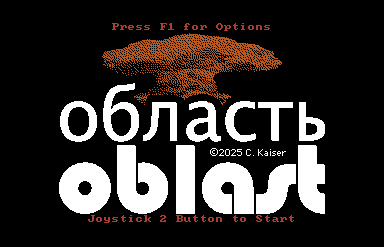
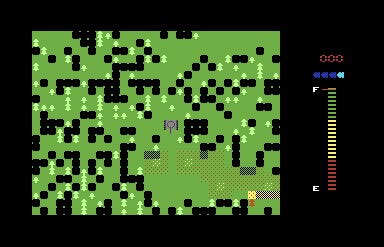
The game runs at an aggressive 240Hz update rate, four times faster than standard, allowing smooth projectile movement while creating interesting collision detection quirks that Kaiser transformed into features. The tank composite uses three sprites for sharp visuals, while a custom extended background color mode character set reduces memory usage by 75 percent. Hit the project’s GitHub to download and play it on actual hardware, or an emulator like VICE, and if you like it, be sure to buy the developer a Pibb.
Source: Old Vintage Computing Research
What did you think of this article? Let us know in the comments below, and chat with us in our Discord!
This page may contain affiliate links, by purchasing something through a link, Retro Handhelds may earn a small commission on the sale at no additional cost to you.
