

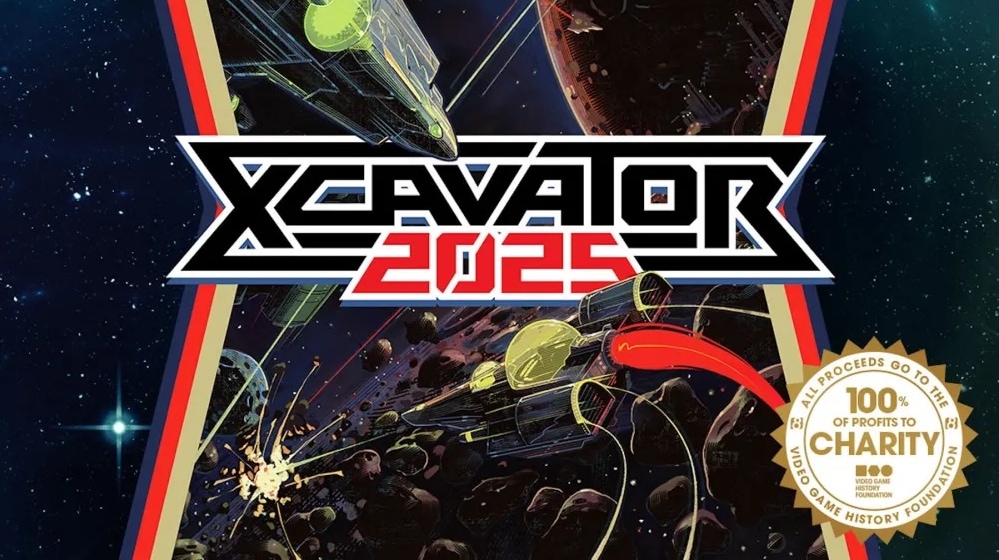
Legendary boutique publisher iam8bit officially launched preorders for Xcavator 2025, a newly completed release of Chris Oberth’s long-lost NES puzzle game, at today’s Day Of The Devs event. The $100 package includes a classic gray NES cartridge and a 14-page manual from the Video Game History Foundation that details Oberth’s career and the game’s long road from unreleased prototype to finished product, with all profits after manufacturing costs going directly to the foundation to fund game preservation and archival work.
In 1991, programmer Chris Oberth finished a puzzle game called Xcavator at Incredible Technologies, the coin-op studio behind Golden Tee Golf and Big Buck Hunter. He shopped it around to publishers all over the country, hoping someone would take a chance on his work, but nobody bit.
The prototype went into a box, the source code gathered dust, and Oberth moved on to other things. Thirty-four years later, Xcavator is finally getting its shot, courtesy of a small army of preservationists, developers, and retro game enthusiasts who decided the world shouldn’t miss out any longer.
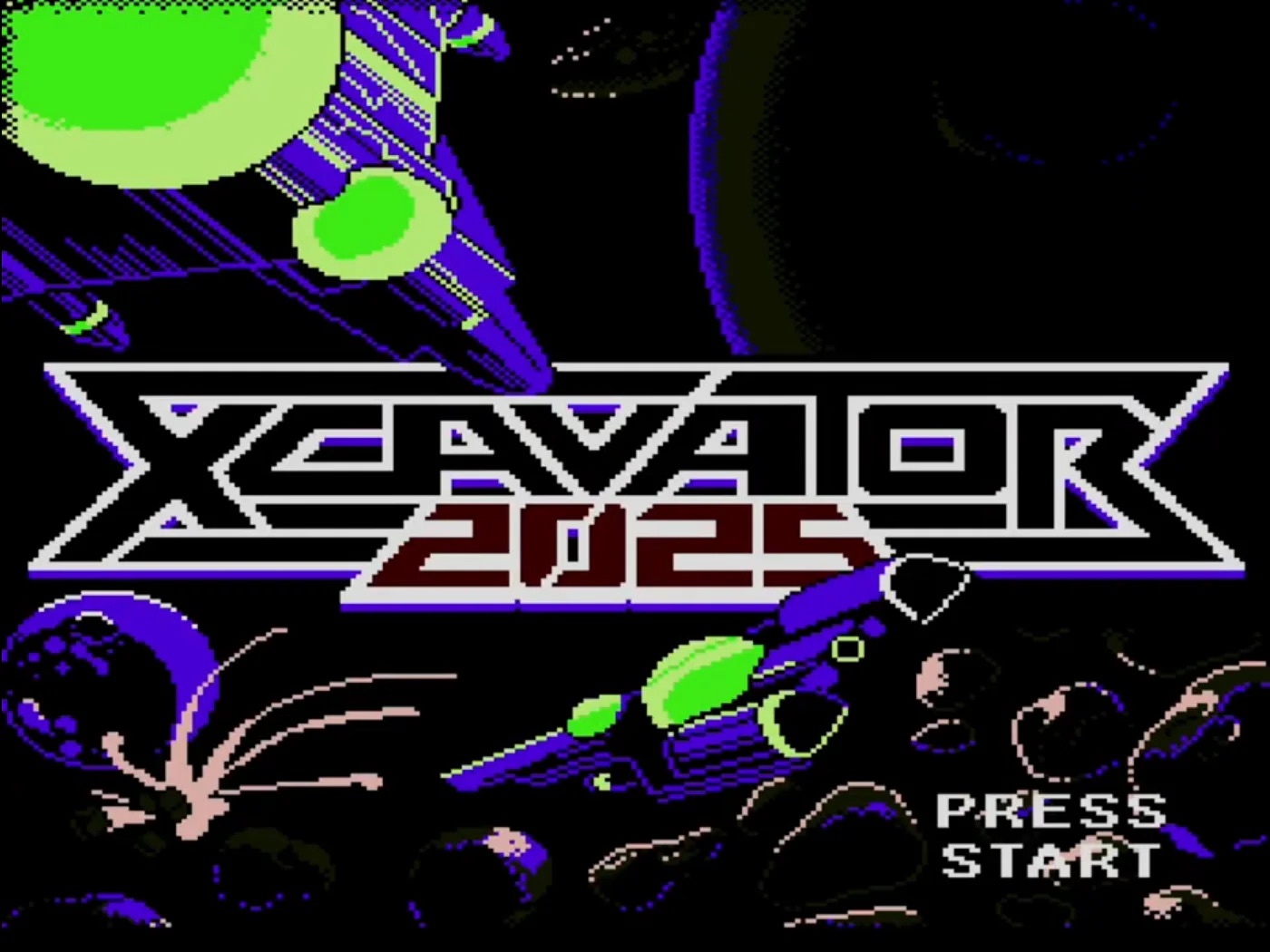
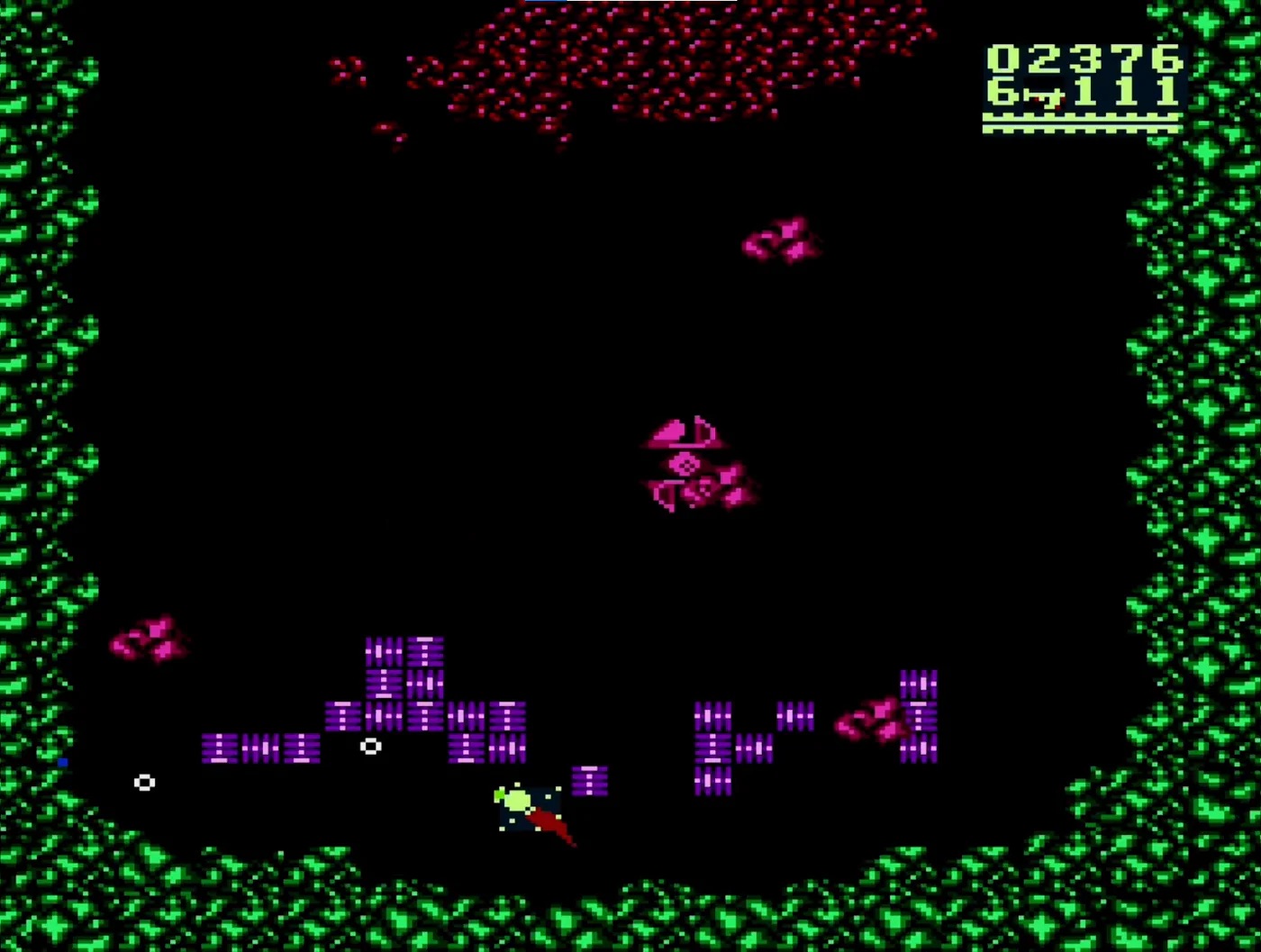
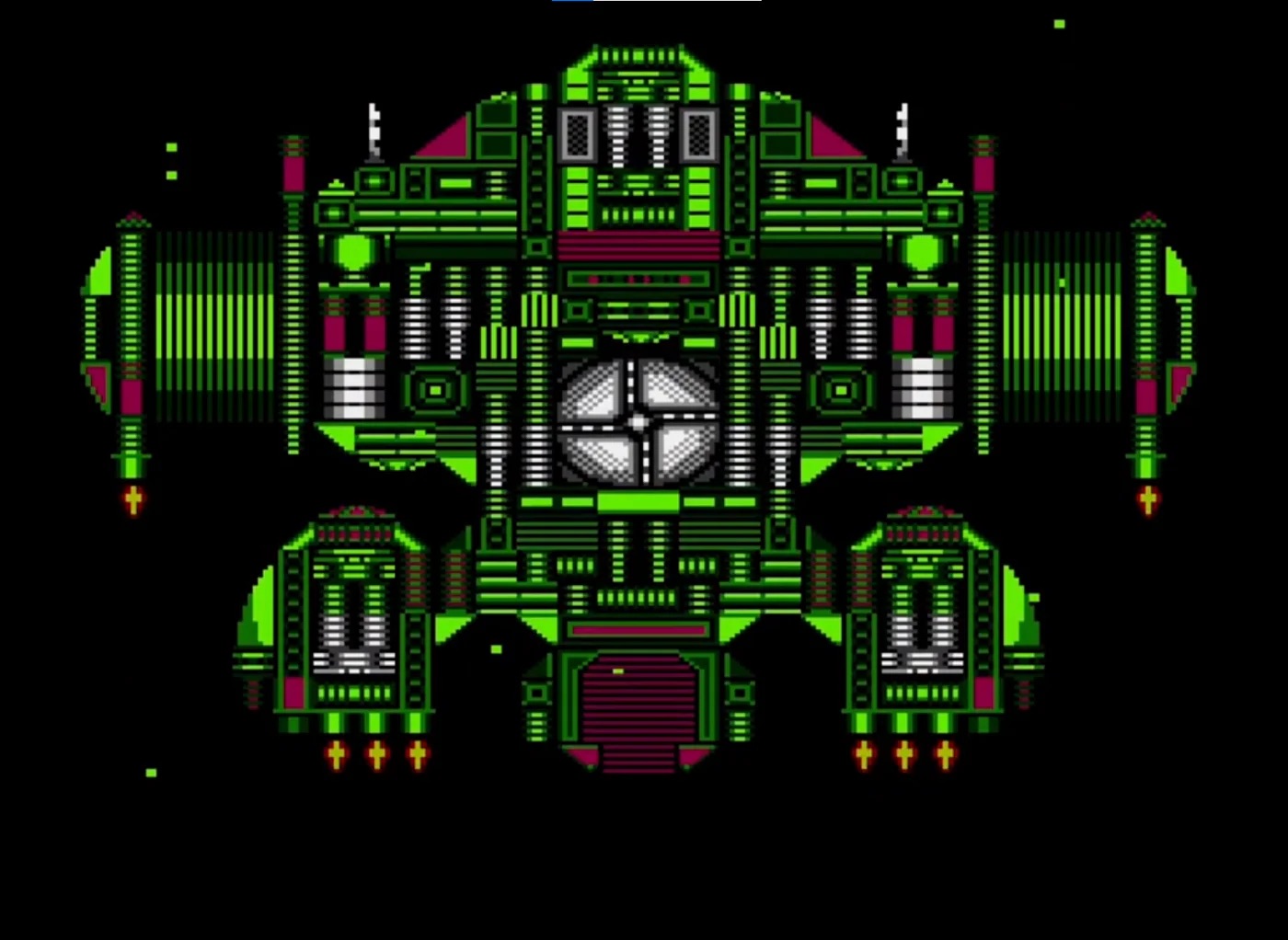
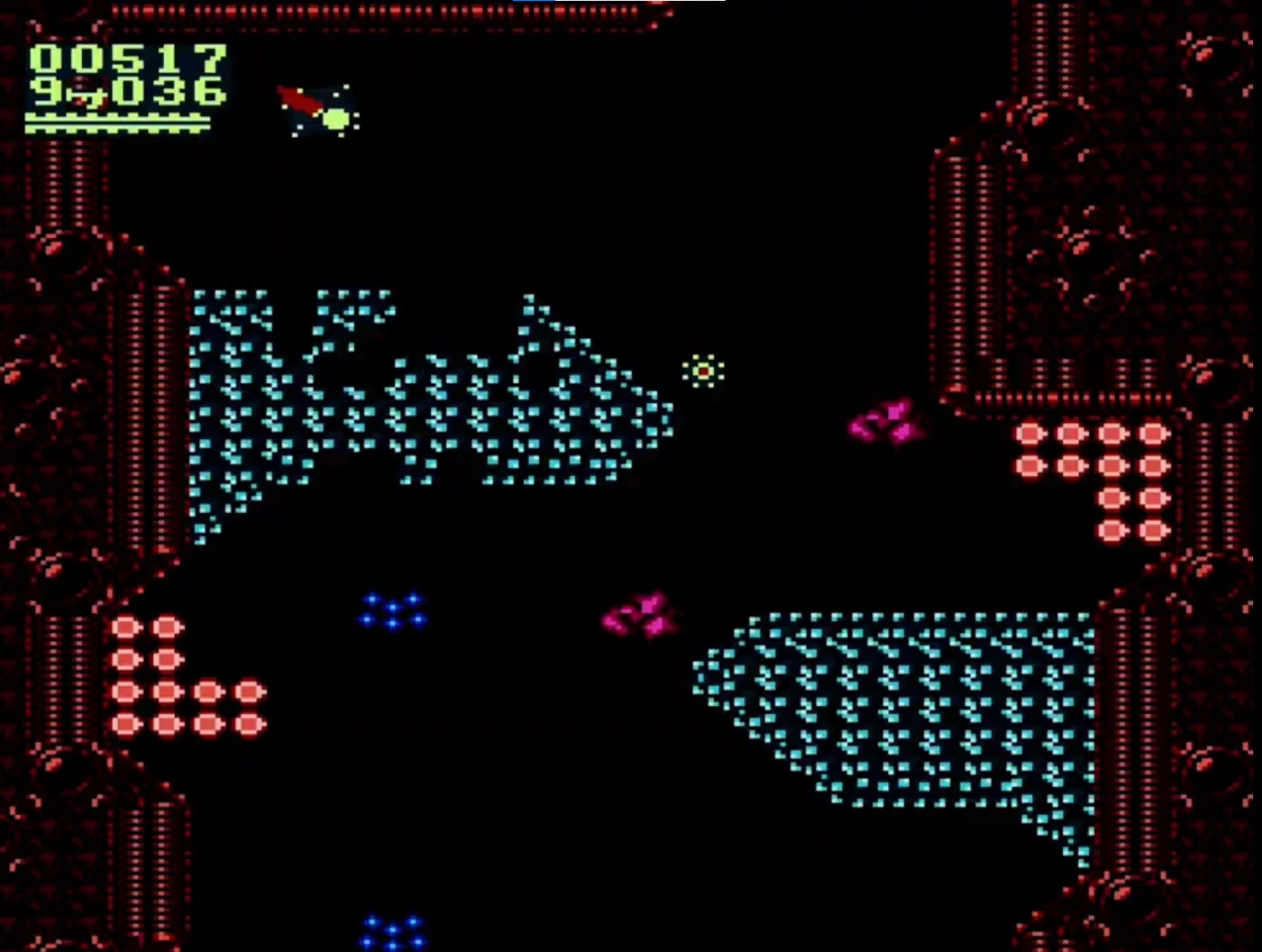
After Oberth’s death, his family donated the original source code to the Video Game History Foundation, which exists specifically to keep forgotten projects like this from disappearing completely. The foundation teamed up with Mega Cat Studios and Retrotainment Games to finish what Oberth started, using the same development tools that would’ve been available in 1991 to stay true to his original vision.
Incredible Technologies donated the rights to the game so the foundation could move forward without legal entanglements. The result is Xcavator 2025, a completed version of the prototype that’s as close to what Oberth intended as possible, now slated for a proper physical release.
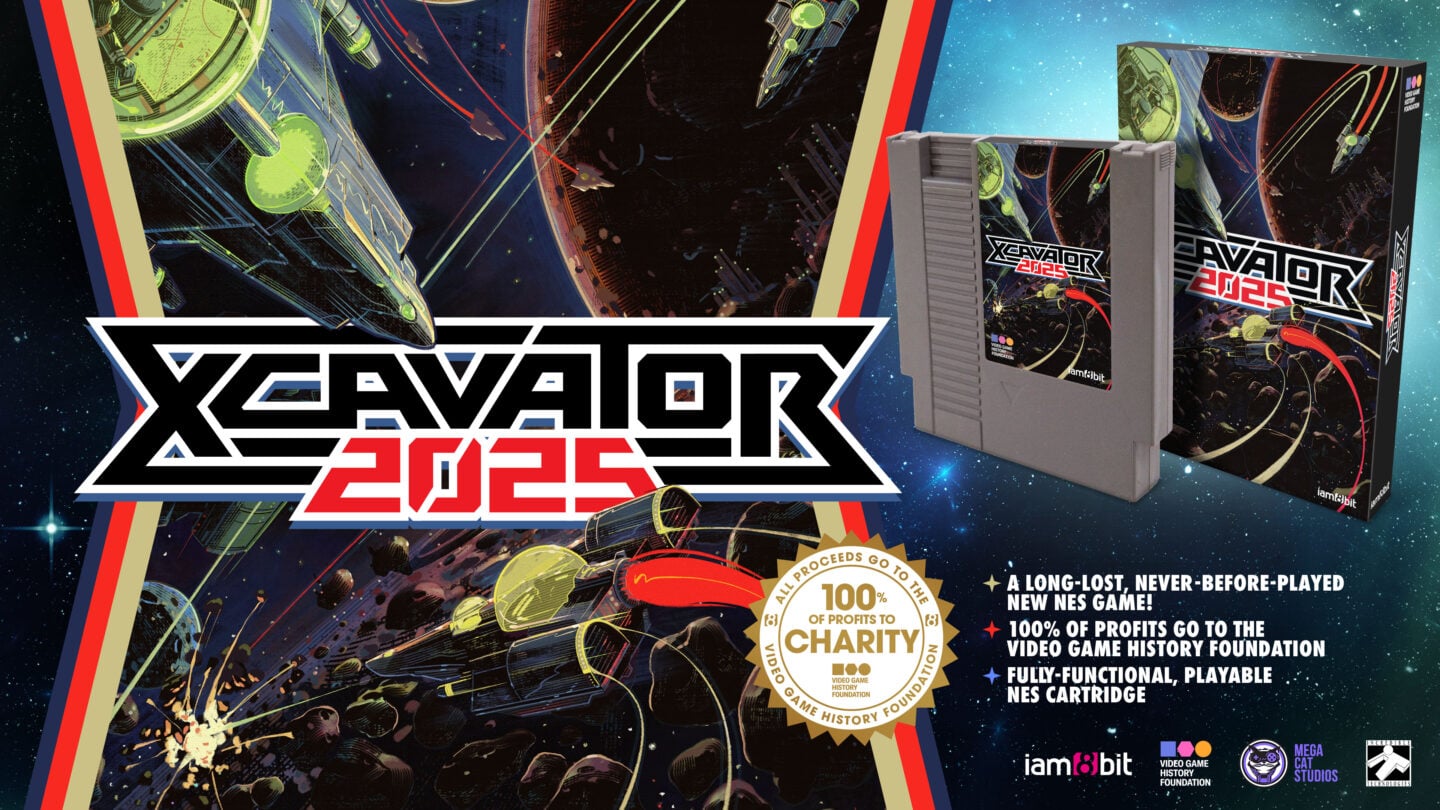
iam8bit is handling production and distribution, offering pre-orders through January 10, 2026, with cartridges expected to ship in the second quarter of next year. All of the profits go directly to the Video Game History Foundation to support its ongoing preservation work.
Every dollar over manufacturing costs funds archival projects, research, and the kind of grunt work that keeps early gaming history from vanishing into landfills and forgotten hard drives. Frank Cifaldi, the foundation’s director, called the original prototype “a rare glimpse at the struggles of an indie developer trying to break into the console industry during the 8-bit golden age,” adding that “the world wasn’t ready for it in 1991”. Apparently, 2026 is a better fit.
[button link=”https://www.iam8bit.com/products/xcavator-2025″ color=”red” newwindow=”yes”] Pre-order Xcavator 2025[/button]
What did you think of this article? Let us know in the comments below, and chat with us in our Discord!
This page may contain affiliate links, by purchasing something through a link, Retro Handhelds may earn a small commission on the sale at no additional cost to you.
