

2026 for our niche has been pretty bleak. Rising costs of RAM and storage became catalysts for a significant change in the market, leading both Xbox and Sony to raise their prices, handhelds across the board, leading to either a price increase or smaller RAM sizes, the cancellation of handhelds altogether, and a notable absence of newly released devices.
“Hopium – The metaphorical substance that causes people to believe in a false hope. It is often paired up with copium. Opposed to copium, which represents the rationalization of the current situation, hopium represents the belief that the situation will someday improve.“
fBOMMB: Urban Dictionary
Both the consumer and commercial markets are fighting with leading storage manufacturers over every scrap of RAM/SSDs they could produce to feed into the ever-expanding black hole of the AI future. Can we pass its orbit, or are we already past its event horizon, spaghettified, and bound for the singularity, born to whatever future is on the other side?
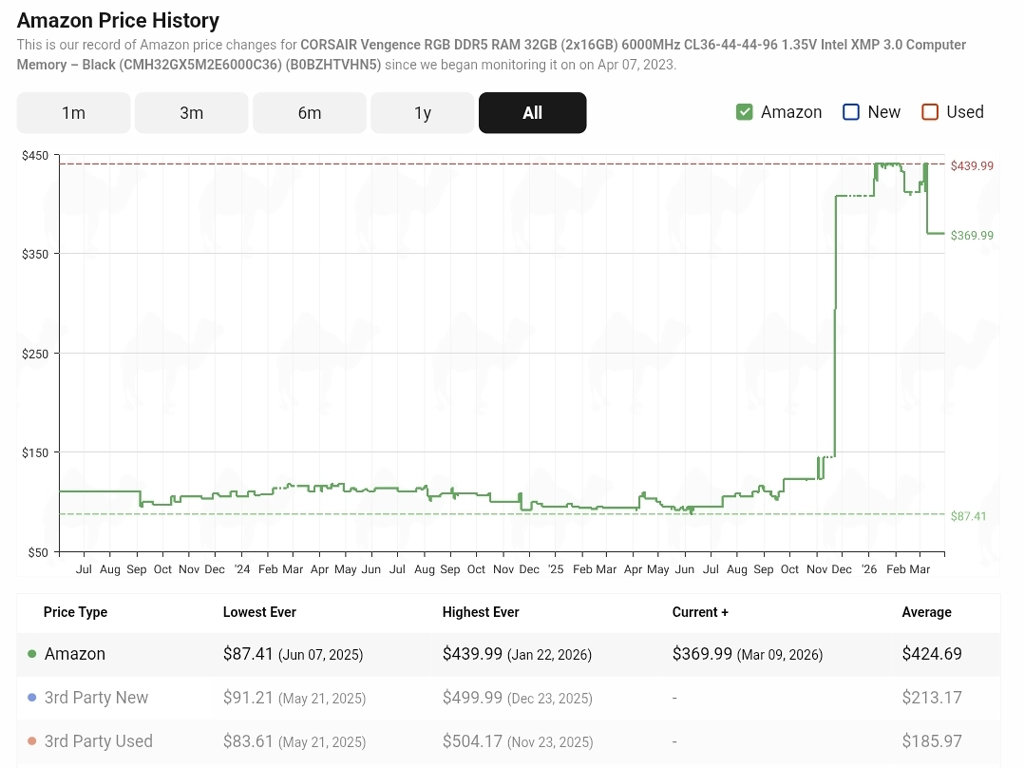
It’s tough to say. Not from lack of research, but because we are seeing new developments almost weekly that indicate the AI bubble isn’t as impermeable as it seems, yet the average price of 32GB of DDR5 RAM is still +$350. At present, while companies like Micron have shifted over to AI-based RAM supplies altogether, Google seems to have made an innovation that could alter the direction of RAM consumption in the near future. The market is responding poorly to the demands of AI, and significant closures seem to indicate this market isn’t prospering as expected.
RAM Efficiency: Google’s TurboQuaint
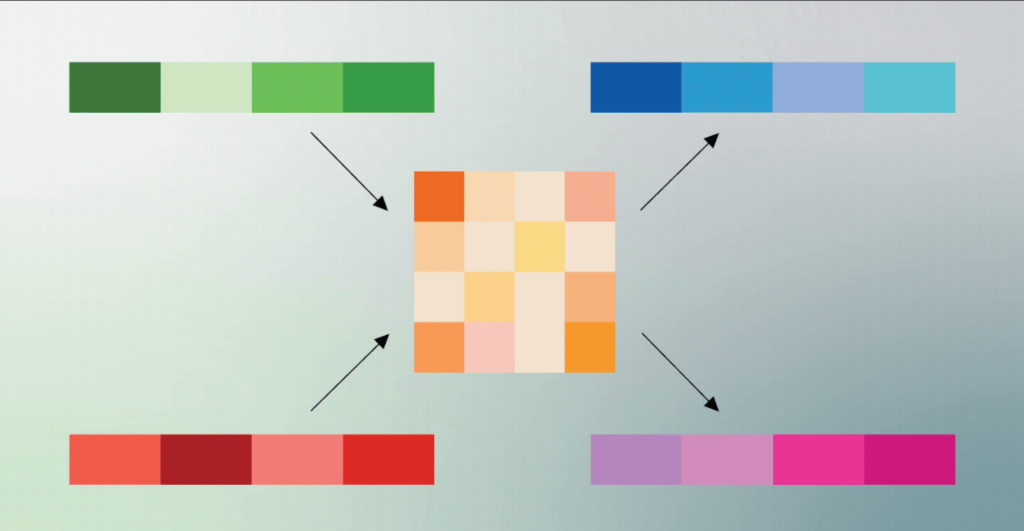
TurboQuaint is Google’s answer to lossless compression and machine learning algorithms, potentially offering a 600% efficiency over current AI processing capabilities. This is accomplished through a series of algorithms that compress long lines of code into values a fraction of the size while also implementing a checksum to avoid data loss. This is a gross oversimplification, and you should really read the document from Google Research to fully understand it, but the process was compared to that of compressing a JPEG.
This development has already had a notable impact on the AI market, and it’s not currently looking good for competitors.
The State of the AI Market
The market is already taking some plunges. Your favorite company’s cringely named AI that lives in a data center requires a ton of energy input, a ton of active storage, and copious amounts of water to keep these systems cool. This is a very expensive endeavor and held together by a mostly speculative market of shareholders. While it’s already met with massive success in the dominating businesses, it’s a very large expense in terms of investment.
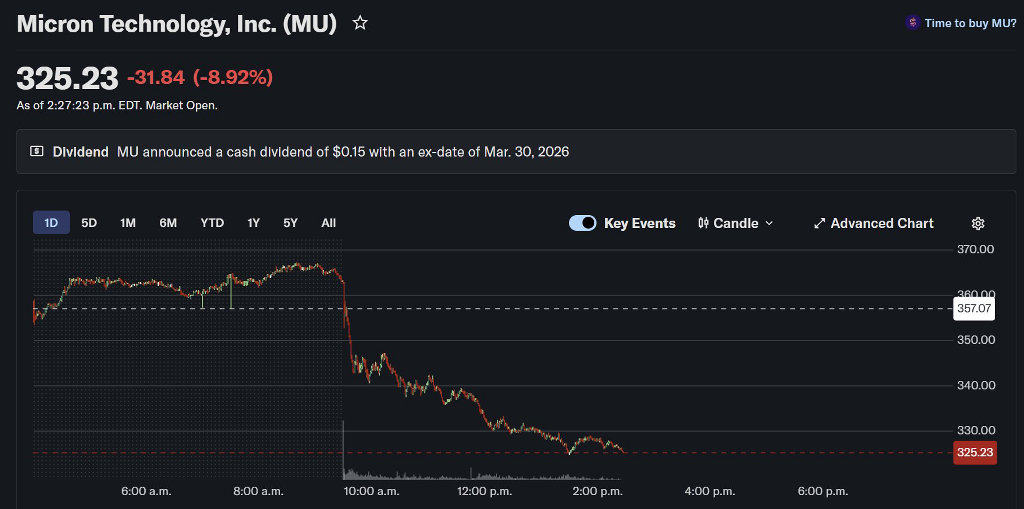
While companies can save money by replacing their workers with AI, what’s keeping the data centers open to begin with? Shareholders. And what happens when popular AI generator Sora is shut down, and Google creates a potentially more lucrative and efficient platform? The stakeholders sell, and data center funding decreases. This isn’t to say AI overall is on a decline; OpenAI is still projected to make $100m in annual profit by 2030, which is nearly incomprehensible. It does give the market a sense of malleability, though.
While this might not be the answer we are looking for, seeing innovations like this can at least address the more damning aspects of AI on a consumer level. This doesn’t really negate the negative effects of generative AI, but the trickle effect can lead to a wider availability of RAM, storage, and cheaper overall electronics. That being said, multi-year contracts for RAM allocation were already made and will probably not budge easily.
A Better Future Outlook?
We experienced an almost similar scarcity with a chip shortage brought by COVID-19-related manufacturing closures paired with an extremely high demand for computers. We saw prices of… everything balloon, and our favorite “Next gen” PlayStation and Xbox consoles were almost always sold out. As late as 2024, we saw those prices climb as the market responded to a higher availability of materials. Then tariffs happened…and then AI happened. But hey…look at the friends we made along the way.
We are in new territory, folks, and literally everything can change tomorrow because a very rich guy changes their mind. Should we wait out the storm? Absolutely. Should you pay $900 for a PS5 Pro? Absolutely not. Should you subscribe to Retro Handhelds for more handheld and gaming-related content? Maybe.
