

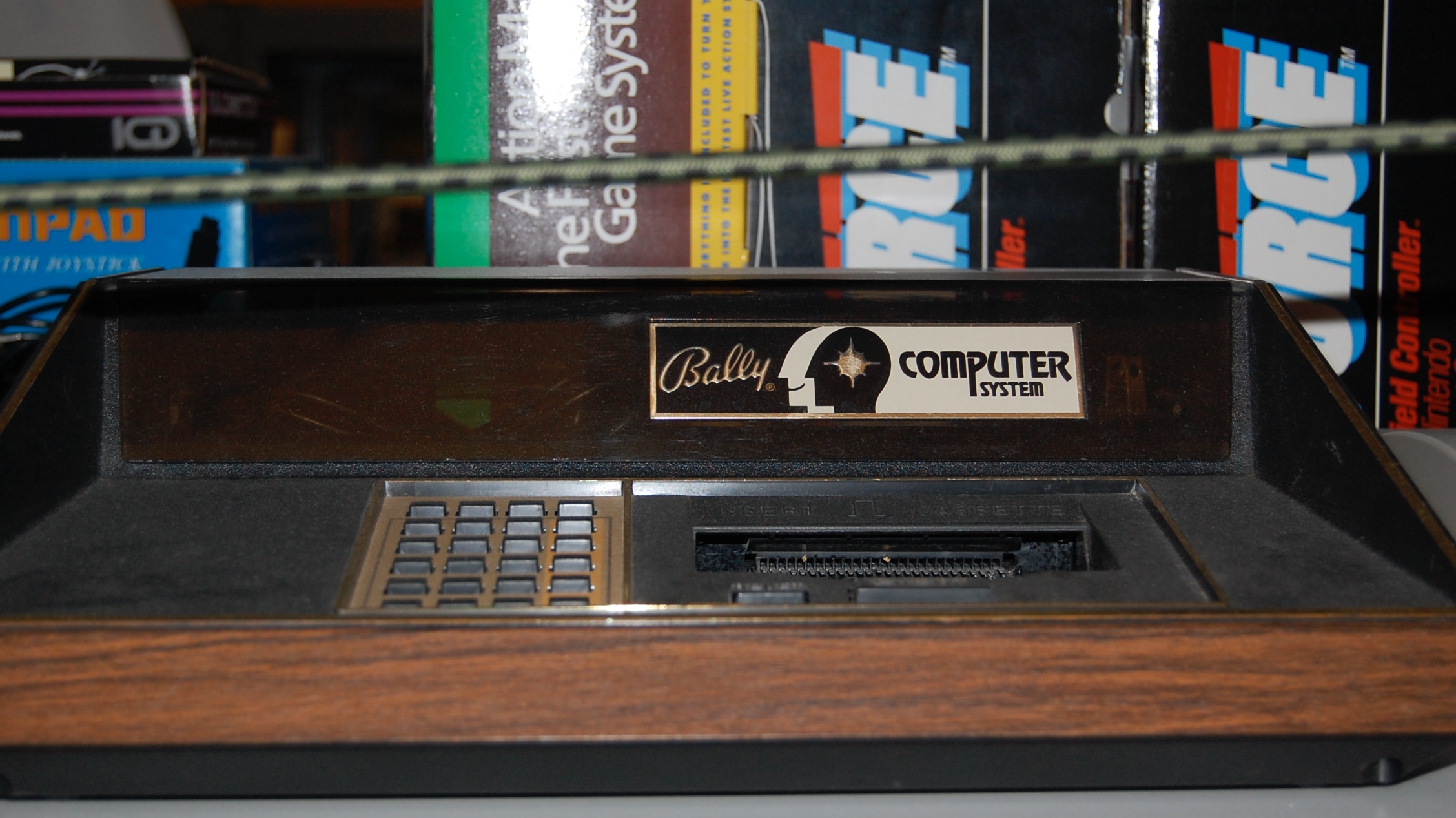
In the late 1970s, when most home consoles could barely push more than a few blocky shapes across a TV screen, Bally believed it could do better. Much better. Bally was running arcades, had hardware expertise, and understood real video games, so in 1977, they unveiled the Bally Home Library Computer, later renamed the Bally Astrocade, a machine that promised arcade-style performance at home years before the competition reached the same goal.
On paper, the Astrocade should have dominated the second generation of home gaming. It used a custom graphics chipset that could produce smooth animation, detailed sprites, and vibrant colors. It even had a full color palette when many consoles were still experimenting with black and white overlays. It offered an optional BASIC programming keyboard, RAM expansions, and even cassette storage. It was a console aimed at people who wanted more than Pong clones and pre-baked cartridges.
Then, in true retro hardware fashion, everything around the hardware imploded.
The Astrocade’s first problem was distribution. Bally did not want to become a consumer electronics manufacturer. They originally planned to sell the system through mail order, then through their own Bally stores, then through specialty electronics shops. Retailers were confused, and potential customers had no idea where to buy the machine. The name changed multiple times until eventually the launch stalled. By the time the Astrocade arrived in stores, the competition had already moved ahead.
The second problem was manufacturing, which ranged from chaotic to tragic. Units shipped with overheating issues, and quality control varied wildly. Some models developed memory failures, graphical corruption, or total system lockup after extended play. The optional peripherals were released inconsistently and often in small batches, turning the machine into a scavenger hunt long before collectors existed to appreciate it.
The third and most fatal problem was corporate instability. Bally eventually lost interest in the consumer market and sold the product line to Astrovision, a much smaller company that lacked the financial power to support a large-scale console. Astrovision kept the machine alive through 1983, but with the video game crash approaching and retailers abandoning low-volume platforms, the Astrocade had no chance.
Despite this messy history, the Astrocade library contains some impressive achievements. The pack-in cartridge, Bally Pin, included four games with clean, sharp visuals. The Incredible Wizard, a third-party title based on Wizard of Wor, is often considered one of the best ports of that era. Gunfight, Checkmate, and several BASIC-driven programs showed how flexible the system could be when developers understood the architecture.
Unfortunately, most consumers never saw these highlights. The Astrocade’s potential stayed hidden behind unreliable hardware, elusive inventory, and a market that quickly became dominated by the Atari 2600. The machine lasted far longer than it had any right to, but eventually faded out along with most early second-generation consoles.
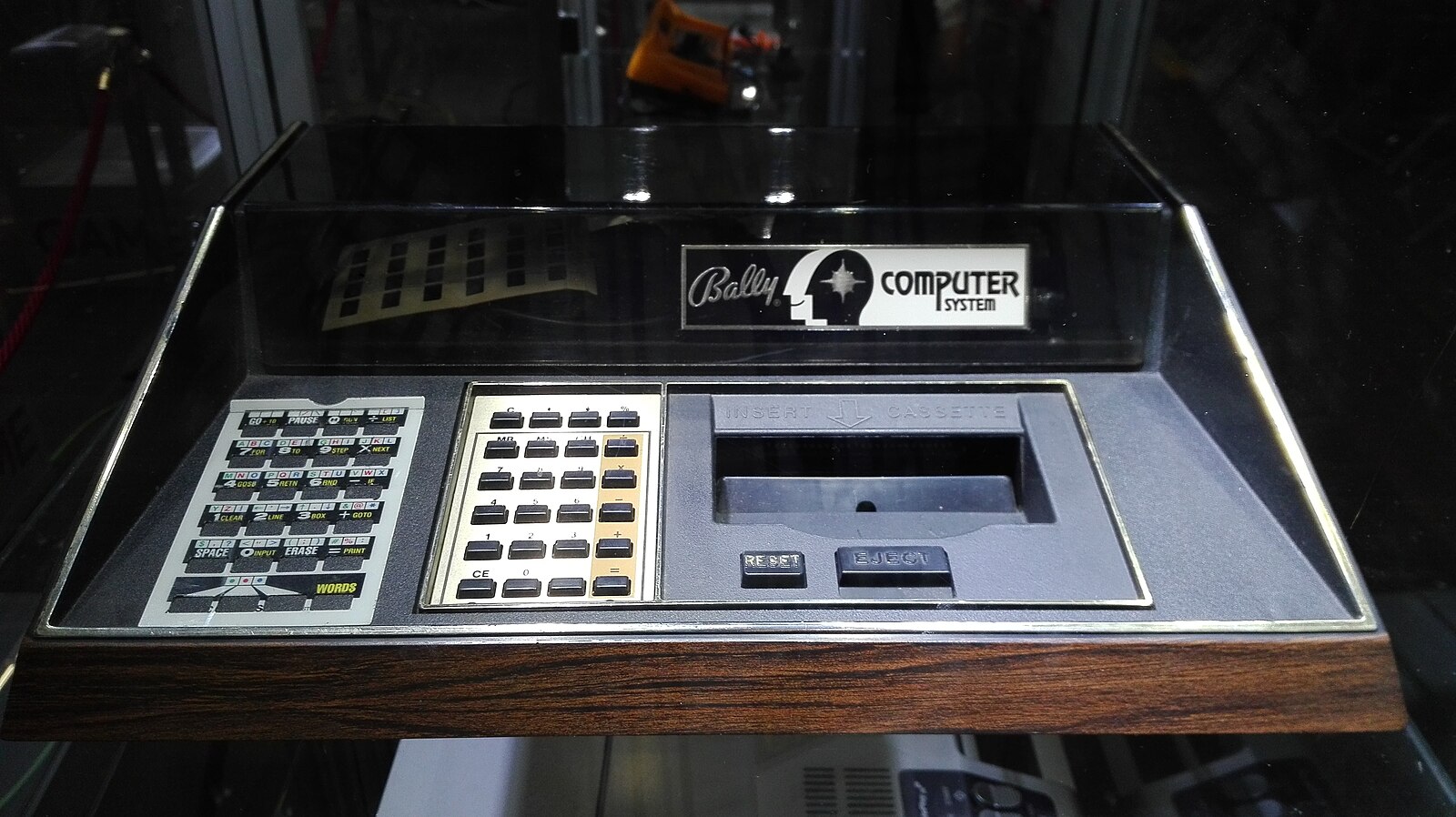
Today, the Bally Astrocade is remembered as one of gaming’s great “what if” machines. It had the power, creativity, and forward-thinking design, but none of the stability, marketing, or corporate backing needed to succeed. It is a cult favorite now, treasured by collectors who appreciate both its ambition and its unintentional comedy.
The Bally Astrocade had the arcade pedigree and the technical muscle, but it also had the launch plan of a scavenger hunt and the reliability of a toaster haunted by static electricity. It deserved better, but at least it left behind some beautiful glitches.
What did you think of this article? Let us know in the comments below, and chat with us in our Discord!
This page may contain affiliate links, by purchasing something through a link, Retro Handhelds may earn a small commission on the sale at no additional cost to you.

2 Comments
Awesome, I’m 36 so barely barely had an atari. My first introduction to Bally was Bally Total Fitness. Companies branch out in weird ways
Ah memories. I remember those games, our family played them a lot.
I even programmed in BASIC on it… in its 1800 bytes of RAM.