

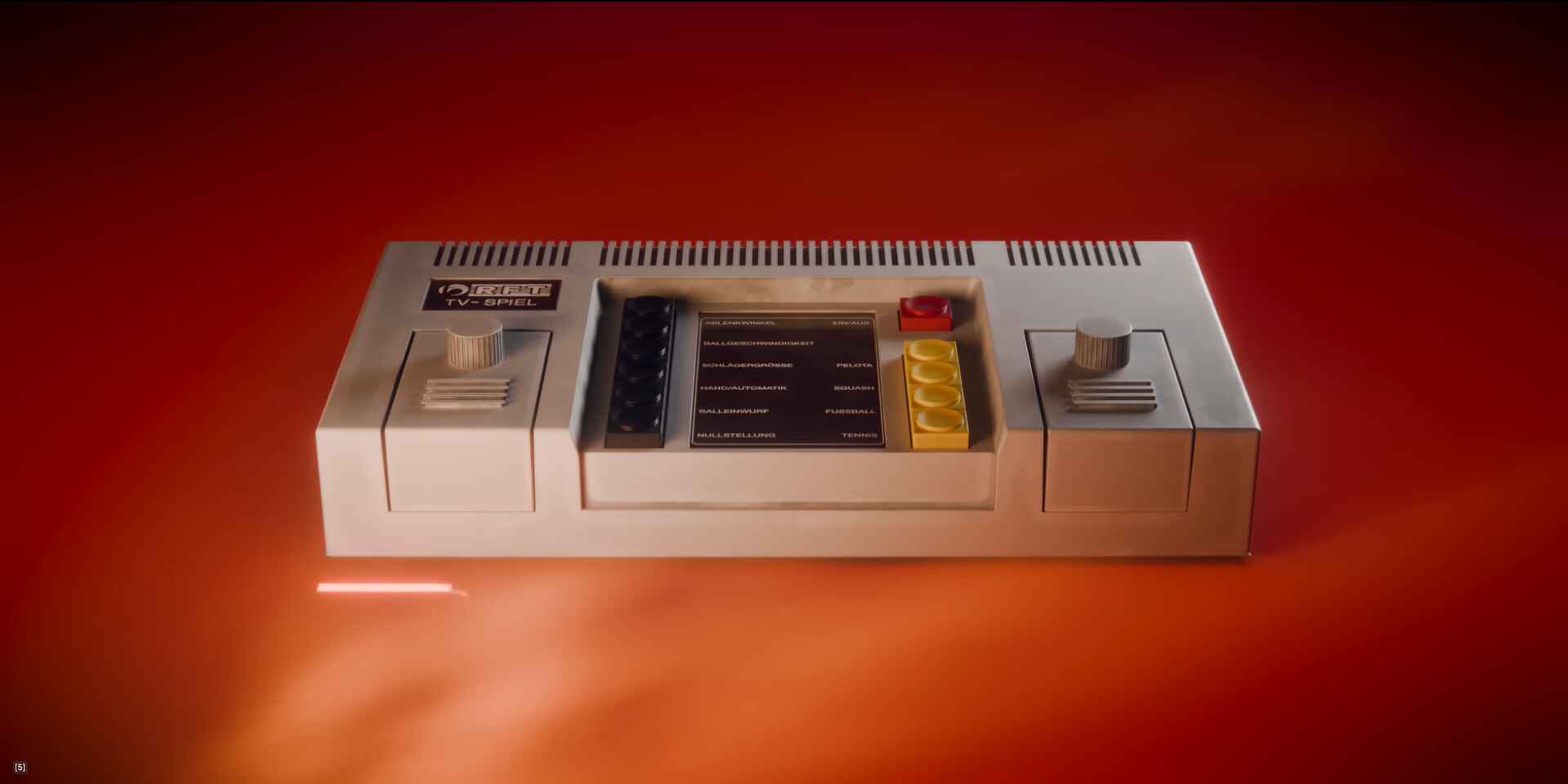
An East German Pong machine from the late ’70s just got the kind of spotlight it never had in its own lifetime. The Bildschirmspiel 01, or BSS 01, has been restored and tested by YouTube docu-channel Fern, who tracked down one of only a handful of surviving units and dug into how this oddly political little console came to exist in the first place. It is about as barebones as home gaming gets, but the story wrapped around it is wild.
The BSS 01 was produced in the GDR between 1979 and 1981 and plays four black-and-white Pong-style games using tethered paddle controllers and built-in RF output to a TV. Under the hood, there is no CPU or RAM in the modern sense, just TTL logic built around an Eastern Bloc clone of General Instrument’s AY-3-8500 chipset, the same chip family that powered many Western Pong consoles earlier in the decade.
Everything else, from the PSU to the case and speakers, was locally made to keep hard currency inside the socialist economy. Fern’s unit is the rare white-case, white-controller variant, and it reportedly cost around $1k at auction thanks to its tiny production run of roughly a thousand systems.
Fern’s video and supporting research frame the BSS 01 as a political project as much as a consumer product. In 1977, the GDR government elevated microelectronics to a national priority, worried about falling behind Western advances in home computing and video games. Electrical engineer Karl Nendel was tasked with creating a home console; he visited a Frankfurt Oder semiconductor plant with an Atari and Pong ROMs as reference material, and by 1979, the BSS 01 rolled off the line. The games themselves are extremely conservative Pong variants, and even Fern notes that one mode is effectively an exact copy of Western Pong with little flair.
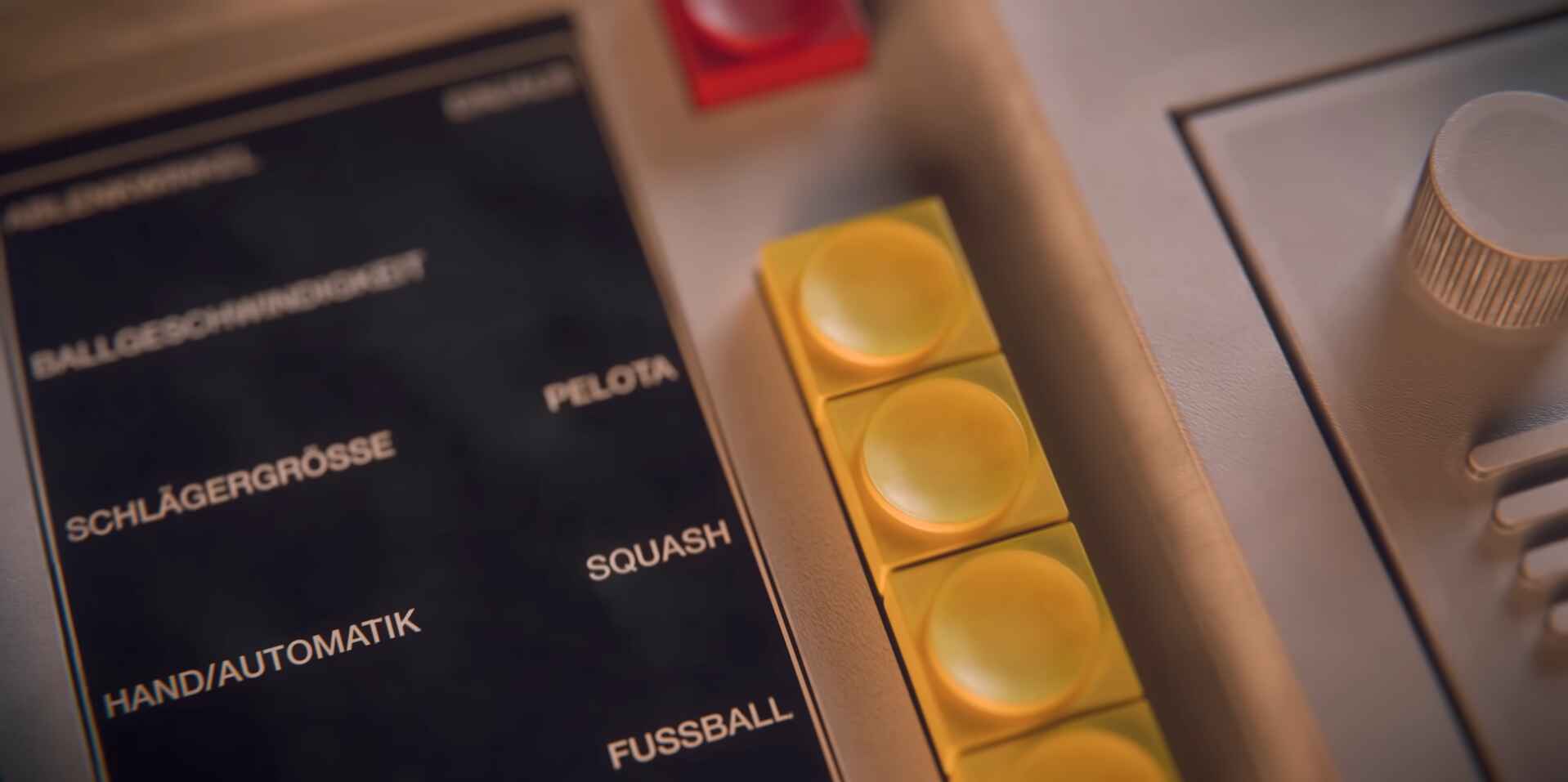
The problem was price. At launch, the BSS 01 cost roughly half an average GDR monthly salary, which crushed any hope of broad household adoption. Instead of seeding socialist living rooms with state-approved play, most units ended up in youth centers and shared community spaces, while planned color revisions were quietly cancelled.
Production stopped after about two years, and the factory went back to turning out radio alarm clocks and other AV gear. East Germany’s gaming ambitions resurfaced later with the Poly-Play arcade cabinet, a multi-game machine inspired by hits like Pac-Man and Robotron that turned up in youth clubs rather than pizza joints. Today, the BSS 01 survives mostly as a curiosity: a minimalist Pong box weighed down by the entire Cold War.
Source: Fern via Tom’s Hardware. Images courtesy of Fern.
What did you think of this article? Let us know in the comments below, and chat with us in our Discord!
This page may contain affiliate links, by purchasing something through a link, Retro Handhelds may earn a small commission on the sale at no additional cost to you.

2 Comments
This is fascinating, I love hearing about obscure consoles like this
There were at least three other types of pong consoles in the Soviet Union. and they all cost a month’s salary. eksiVideo-01 (экси видео-01), turnir(турнир), electronica video sport(электроника видео спорт).
There were also Soviet versions of the Nintendo game and watch. They were called electronica nu pogodi(электроника ну погоди). and arcade games. as copies of Western ones (for example, periscope) They are also completely independent. (for example, Tia arcades (аркадные аппараты тиа))