

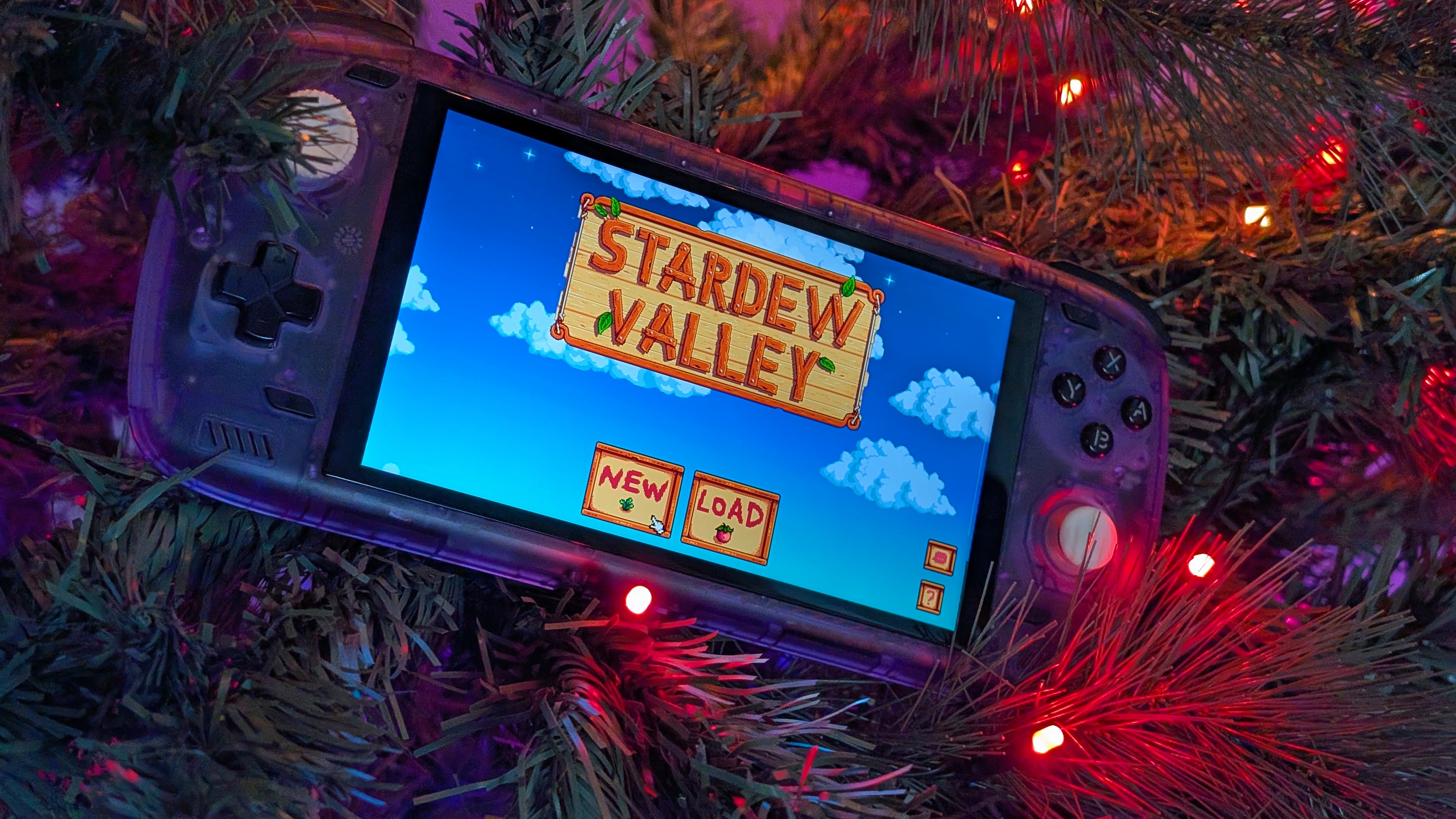
In the fall of 2023, AYN decided to make a comeback and rock the boat in the process. The Odin 2 was going to be one of the most powerful handhelds on the market, with a starting price of just $299. But if you wanted more storage or RAM, they still had options for that.
Two years later, the Odin 2 left enough of a mark on the handheld market that we’re still seeing its processor getting pushed in handhelds, and the community has rallied around it enough that it is still a major point of comparison for new releases today. But how’s the Odin 2 hold up in today’s market? And what impact has it really left behind?
Well, that’s what I’m here for, and hint: it’s still really good.
AYN Odin 2 Specs

At the time of its release, the most powerful Android handheld on the market was the Razer Edge. A 21:9 tablet with a G3X Gen 1 and a telescopic controller. The closest second was the recently announced AYANEO Pocket Air and its D1100. But for $299, the Odin 2 undercut the Edge and outperformed the Air for the same price. And looking at the specs, it’s easy to see why.
- Display: 6-inch, 1920 x 1080 IPS, 60Hz
- CPU: Qualcomm Snapdragon 8 Gen 2
- GPU: Qualcomm Adreno 740
- RAM: 8/12/16GB LPDDR5X
- Storage: 128/256/512GB UFS4.0 + microSD
- Battery: 8000mAh
- OS: Android 13
- Connectivity: Wi-Fii 7/Bluetooth 5.3 + Micro HDMI, USB-C, 3.5mm
- Dimensions: 225 x 98 x 17mm
- Weight: 420g
[button link=”https://rh-go.link/Odin2_AYN” color=”red” newwindow=”yes”] AYN Odin 2 (Direct)[/button][button link=”https://rh-go.link/Odin2_AMZN” color=”red” newwindow=”yes”] AYN Odin 2 (Amazon)[/button]
The Good
Controls
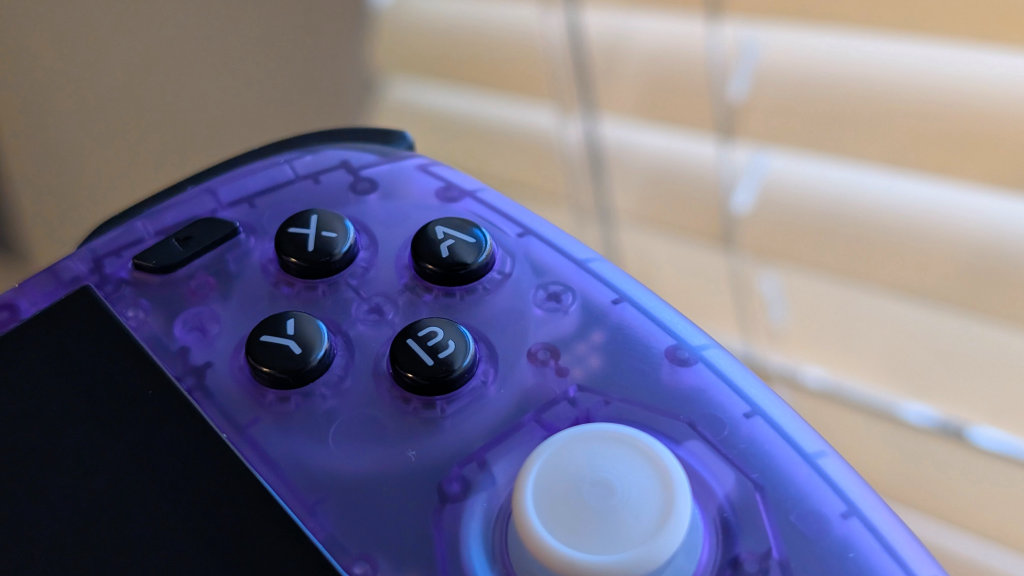
The Odin was the start of something new from AYN. The clacky face buttons that were loud, but felt great to press, the solid triggers and shoulders, but most importantly, the new sticks. The sticks the Odin 2 used were basically new for the time. They had way better travel than the Odin 1.
Their movement was easier, their tension was light, and you could easily customize the stick top if you had a 3D printer and a dream. While I’ll talk more about it later, you’ve seen the Odin 2 style of stick in a number of handhelds since their original release, and they’re the ideal replacement for Switch-style sticks.
Ergonomics

The most important item for me was the ergonomics of the Odin 2. Out of the box, the ergonomics were great for me, the grips were great, and the placement of the controls was awesome. And if you asked me, you didn’t need a grip or a case for them.
Since the release of the Odin 2, I don’t think AYN has gotten the ergonomics as good, but I also haven’t held an Odin 3, so we’ll have to wait and see if it’s been dethroned finally.
Performance & Compatibility
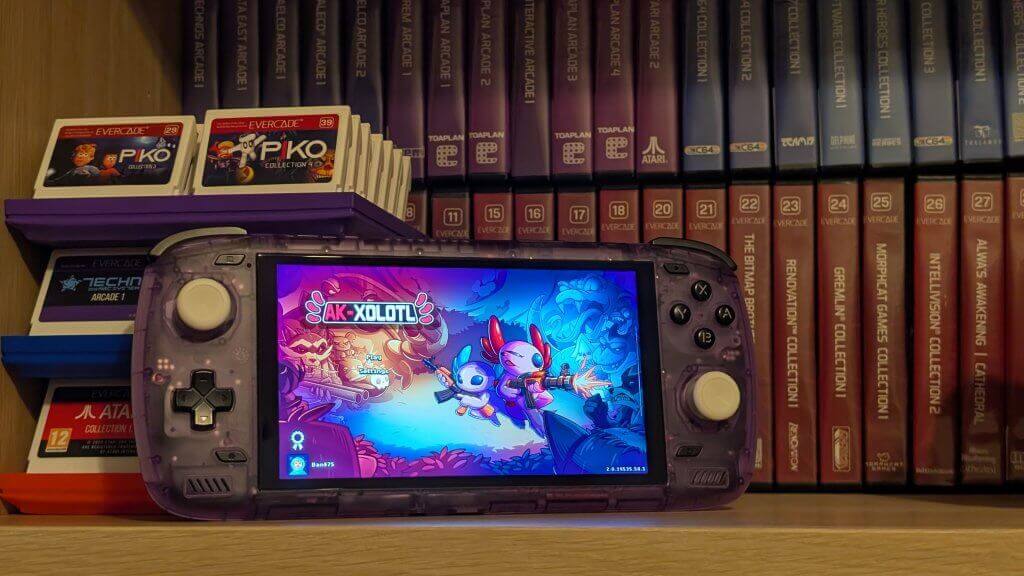
Performance was the big key point. The Odin 2 was one of the earlier handhelds that touted “Full PS2 and GameCube compatibility,” or at least most of it. Since the release, we’ve seen an increase in Nintendo Switch gameplay, the resurgence of x86 emulation, and, in general, if you want to play it, the 8 Gen 2 has been able to handle it.
Compared to its competition, the 8 Gen 2 has also received more support for alternative operating systems. ROCKNIX, Batocera are the most prominent options. I do remember the time of trying to get Windows on the Odin 2 prior to the proliferation of x86 emulation, thanks to Winlator.
As a whole, this means flexibility, this means compatibility, and this means way more options for the end user. I think this ended up helping prolong the lifespan of the Odin 2 even further.
The Not So Good
Screen

The one thing that I see people regularly point back to with the Odin 2 as being “bad” is the display. Yes, it has a solid 1080p resolution, yes, it’s a nice 6” panel that’s 16:9, but it was also not the brightest panel in the world. Some reported ghosting, while others reported brightness issues. If there was any part of the Odin 2 that felt like a cut corner, it was definitely the screen.
Since the release of the original Odin 2, AYN has released two more models with the Odin 2 Mini and Odin 2 Portal that featured both Mini LED as well as OLED panels, and both just blew the original out of the water. While not ideal, the Odin 2 display was at least usable.
The Impact of the Odin 2
What impact has the Odin 2 had? Just about everything. It set the bar for price-to-performance in the Android market. Why spend $300 more when the Odin 2 can do the same for less? It became a race for the competition to reach new form factors to justify prices rather than performance.
Odin 2 set the standard for their controls going forward, regardless of whether you liked the loud, clacky buttons or not. The other thing that was standardized was those sticks. While Retroid also started using them closely, following the release of the Odin 2, everyone started comparing the sticks to those.
It took a while, but the moment cheaper handhelds started getting them, pricier handhelds with Switch sticks were talked down on more than they had been before. Outside of the cheap RK3326 handhelds, how often do you really see the truly Switch-styled thumbsticks anymore?
The Replacements

The most obvious conversation about Odin 2 replacements comes from the newer 8 Gen 2 handhelds. The Odin 2 Mini went smaller and MiniLED with that was one of the most love it or hate it handhelds I’ve seen. The Odin 2 Portal went larger and OLED, seeming to be a fan favorite of 2025. And recently, Retroid announced their 8 Gen 2 powered Retroid Pocket 6, cheaper than the original Odin 2, better screen than the Odin 2 Mini, and possibly better ergonomics.
Looking into other chips, you can find AYANEO’s G3X Gen 2 line that has had its own faults in every device they released in the past year and a half. The real replacements come down to the Odin 3 and KONKR Pocket Fit.
Running 8 Gen 3 and 8 Elite, you’re finally looking at enough of a performance uplift that it could be worth the upgrade. However, the 8 Elite receives screams from the community about compatibility, and the 8 Gen 3 is shipping slowly.
The 8 Gen 2 is readily available and less expensive, especially in the used market.
The Final Word
Even as we reach the end of 2025, the end of the lifespan of most handhelds, the Odin 2 remains a really solid option as a handheld. I might not recommend it as much if you’re buying new due to the crowding of options around its price point, but it is far from a terrible option. If you’re looking for performance alongside ROCKNIX support, Batocera support, and Android support all in one handheld, the Odin 2 and the Snapdragon 865 handhelds are going to be your only true options.
Two years on, the Odin 2 is still my most used handheld, with its only competition coming from the Retroid Pocket Flip 2. As we reach the eve of the Odin 3, the transition into 8 Gen 3 and 8 Elite devices on the top end, I think it’s important to look back two years at where this performance chain started.
There were high-end, high-performing Android handhelds before the Odin 2. The Moqi i7S comes to mind with its Snapdragon 710. However, none have been as prolific and as supported as the Odin 2, and I hope we can find another handheld for that that can put out even more performance.
The one thing I truly hope for, though, is that AYN finally figures out how to sell AYN Odin 2 replacement batteries. These will die eventually, but I’d love to expand their lifespan just a bit more.
[button link=”https://rh-go.link/Odin2_AYN” color=”red” newwindow=”yes”] AYN Odin 2 (Direct)[/button][button link=”https://rh-go.link/Odin2_AMZN” color=”red” newwindow=”yes”] AYN Odin 2 (Amazon)[/button]
What did you think of this article? Let us know in the comments below, and chat with us in our Discord!
This page may contain affiliate links, by purchasing something through a link, Retro Handhelds may earn a small commission on the sale at no additional cost to you.

4 Comments
Ban I know you’re not a fan, but the Thor imo should be mentioned on the “replacements” section. It basically does everything the Odin 2 does (same chipset), the flip form factor makes it more portable and secure inside your bad or whatnot and has a bit more versatility thanks of the 2 screens.
Thanks for sharing
I would love to see a comparison to it too, was kind of bummed out to see it not mentioned anywhere.
I use my Odin 2 Portal everyday. I doubt I’ll see any real reason to upgrade for another couple years. Even as the chips in newer devices are upgraded the real limitation is still the emulators. Odin 2 will remain a solid device for a while yet.
You didn’t mention 2 important things that actually made me sell my odin 2 a couple of years ago: the input lag and battery issues! Input lag was very noticeable for me, specially since I stream a lot from my computer and ps5, so it would add to network latency and become too much. Also, at the time I was seeing many people posting about their battery inflating (pillowing).